

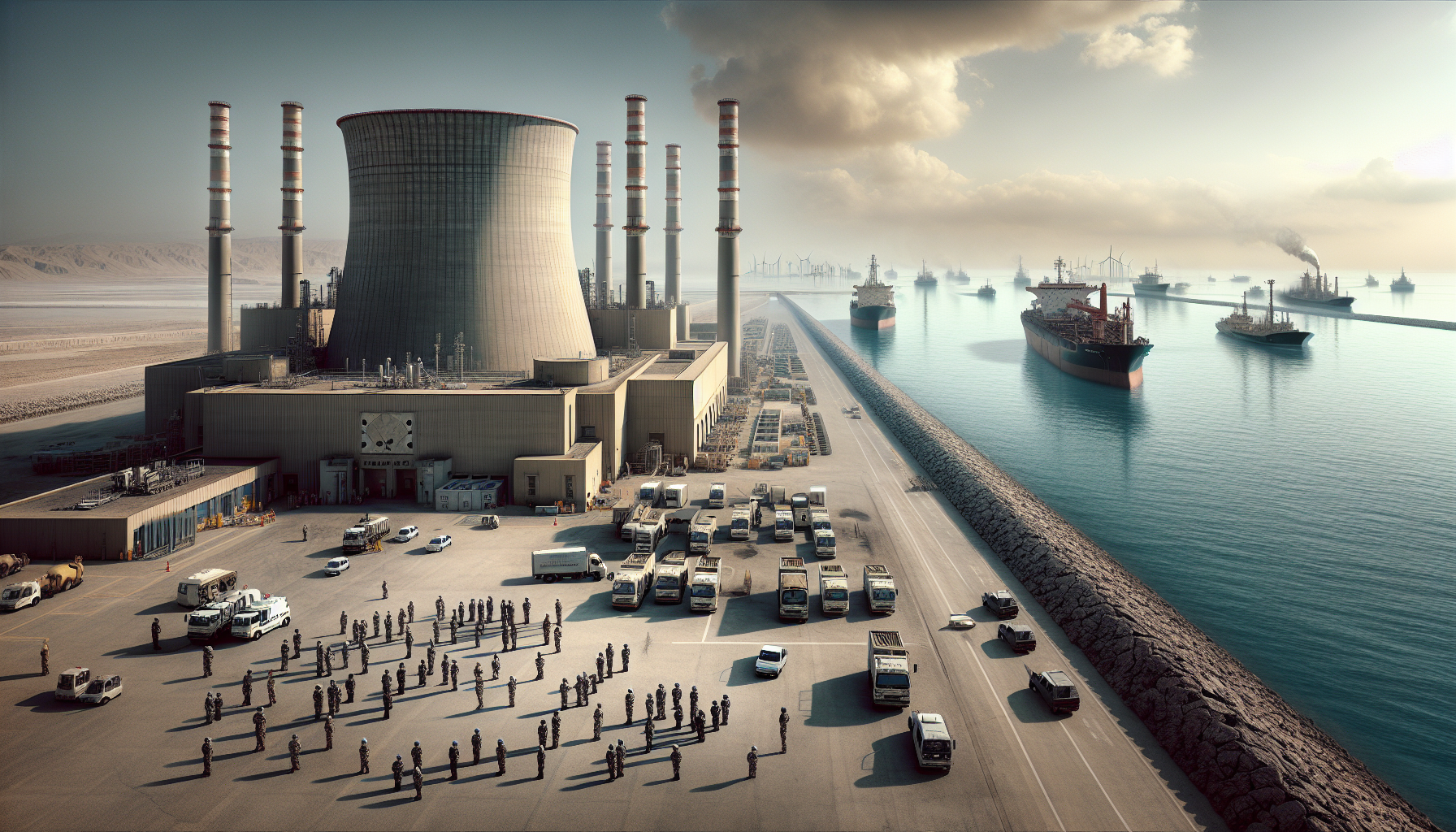
The International Atomic Energy Agency (IAEA) confirmed on Saturday that a projectile impacted close to Iran’s Bushehr nuclear power plant, resulting in the death of one physical protection staff member at the site. Despite the incident, there was no reported rise in radiation levels, information from Iranian authorities.
Iranian state media reported that the main components of the Bushehr plant remained undamaged and that power generation continued without interruption. This event highlights the increasing risks faced by critical infrastructure in the region, especially given Bushehr’s status as Iran’s sole operational nuclear facility, featuring a 915-megawatt reactor under intense international scrutiny due to nearby military activities.
Although Iran maintains that the plant itself was not harmed, the strike has heightened concerns among analysts and international watchdogs about the dangers posed by military operations near nuclear installations. The IAEA has consistently urged all parties to exercise maximum restraint to avoid compromising nuclear safety amid ongoing conflicts.
Meanwhile, Iran has authorized the transit of vessels carrying essential goods to its ports through the strategically vital Strait of Hormuz. A letter referenced by the agency outlined that ships destined for Iranian ports, including those in the Gulf of Oman, must coordinate with Iranian authorities and adhere to established transit procedures to navigate the waterway safely.
The Strait of Hormuz, a crucial chokepoint responsible for transporting roughly one-fifth of the world’s oil trade under normal conditions, has experienced disruptions amid tensions involving Iran, the United States, and Israel. Tehran’s decision to permit the passage of essential goods vessels appears aimed at alleviating supply chain pressures while maintaining stringent control over this key maritime route.
This development unfolds as global energy markets remain highly sensitive to events in the Gulf region, with maritime traffic through the Strait of Hormuz continuing to be a central element of geopolitical friction.
