

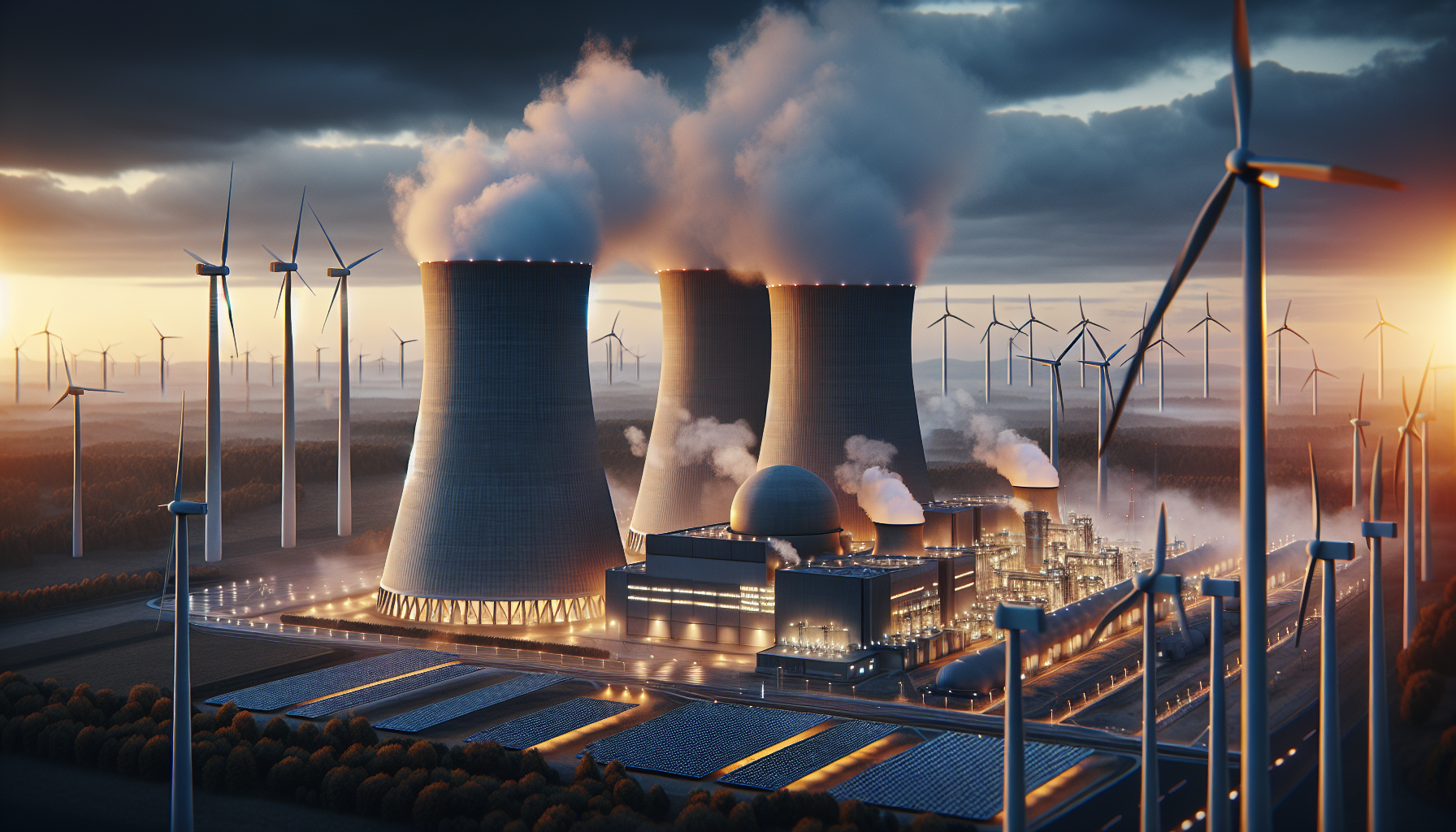
Europe is grappling with a fresh energy crisis as the ongoing war has caused a sharp increase in gas and fuel prices, intensifying concerns over energy security. This surge has reignited discussions about the continent’s reliance on external energy sources and the urgent need to diversify supply. Policymakers and energy experts are revisiting nuclear power as a potential solution to reduce dependence on volatile fossil fuel markets. The debate highlights the tension between short-term energy needs and long-term sustainability goals.
In a significant development, several European countries are evaluating the feasibility of expanding or restarting nuclear power plants to stabilize their energy grids. Nuclear energy, known for its low carbon emissions and high output, is seen by some as a strategic asset to enhance energy autonomy. However, this consideration comes amid public concerns about safety, waste management, and the high costs associated with nuclear infrastructure. The energy shock has thus brought nuclear power back into the spotlight as a contentious yet viable option.
Meanwhile, the broader implications of this shift could reshape Europe’s energy landscape and its climate commitments. A move towards nuclear energy may reduce reliance on imported fossil fuels, particularly from politically unstable regions, thereby strengthening geopolitical resilience. At the same time, it could influence investment in renewable energy technologies and affect the pace of the green transition. Europe’s response to this energy shock will likely have lasting impacts on its economic stability and environmental policies.
