

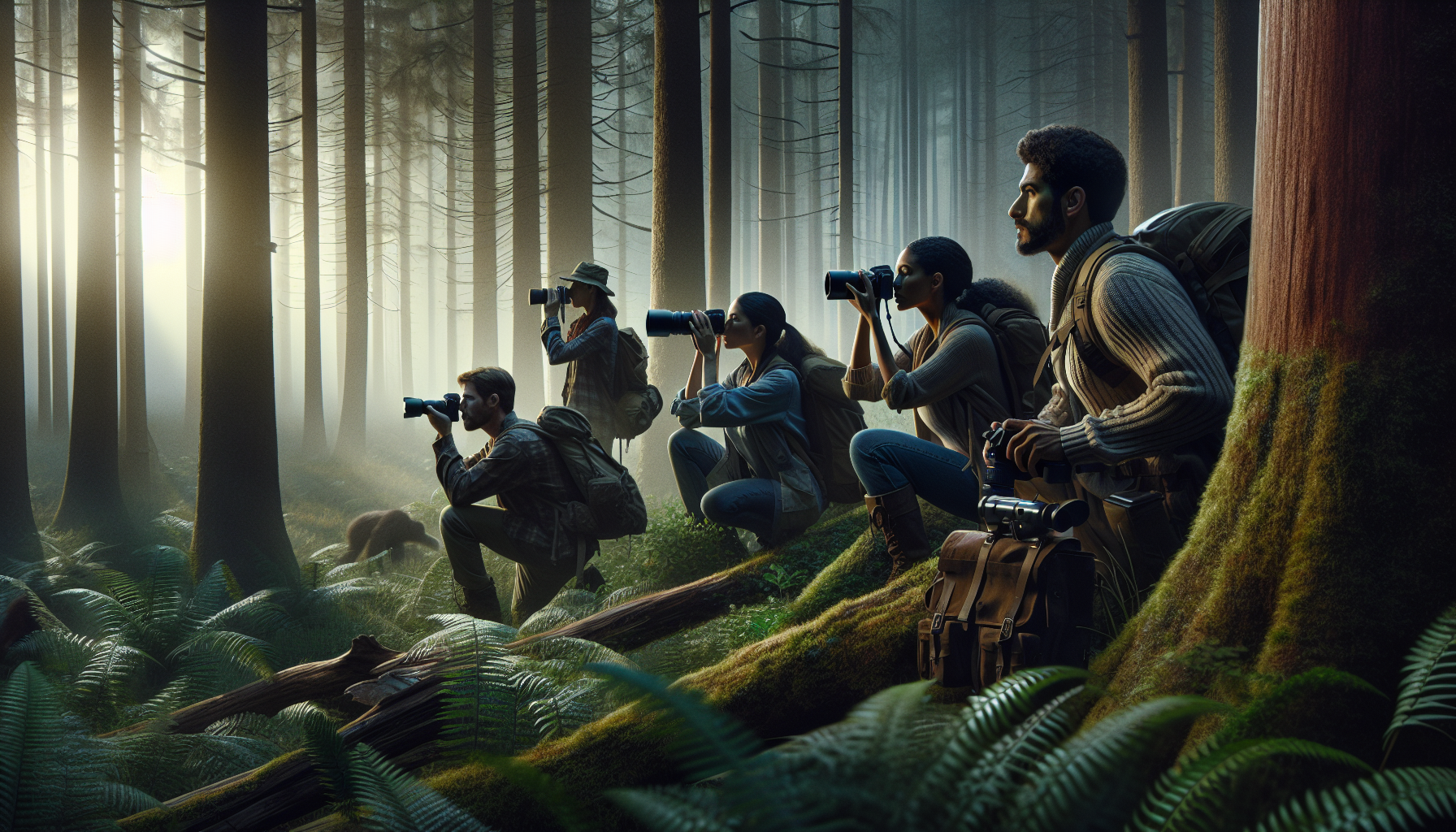
Since the 1960s, the legend of Bigfoot has captivated the public imagination, with thousands of reported sightings across North America. This mysterious creature, often described as a large, ape-like being, has become a cultural phenomenon inspiring numerous expeditions and investigations. Researchers recently undertook a comprehensive study involving interviews with 160 individuals who have actively hunted or searched for Bigfoot. Their goal was to understand the motivations, experiences, and perspectives of these enthusiasts who dedicate significant time and resources to this elusive quest.
The study revealed a diverse range of beliefs and methods among Bigfoot hunters, from scientific approaches to more folklore-driven practices. Many participants expressed a deep personal connection to the wilderness and a desire to uncover hidden truths about the natural world. Notably, the research highlighted how the Bigfoot phenomenon continues to evolve, influenced by media portrayals and community storytelling. This ongoing interest underscores the creature’s role in American folklore and the human fascination with the unknown.
In a significant development, the findings provide valuable context for understanding why Bigfoot remains a persistent figure in popular culture despite the lack of definitive evidence. The interviews also shed light on the social dynamics within Bigfoot hunting communities and their impact on local tourism and conservation efforts. Meanwhile, the study contributes to broader discussions about myth-making, belief systems, and the intersection of science and legend in contemporary society.
