

As a global energy crisis intensifies amid rising geopolitical tensions, numerous countries are facing severe fuel shortages, rationing measures, and widespread public disruption. From Southeast Asia to Europe, governments have resorted to emergency actions as supply chains tighten and fuel prices soar.
In nations like Sri Lanka, Myanmar, and the Philippines, strict fuel rationing has become commonplace. Measures such as QR-based fuel passes, weekly consumption limits, and odd-even license plate restrictions have been implemented as fuel stations run dry. The Philippines has even declared a national energy emergency, with transport services grounded and streets emptied following an 82 percent increase in diesel prices.
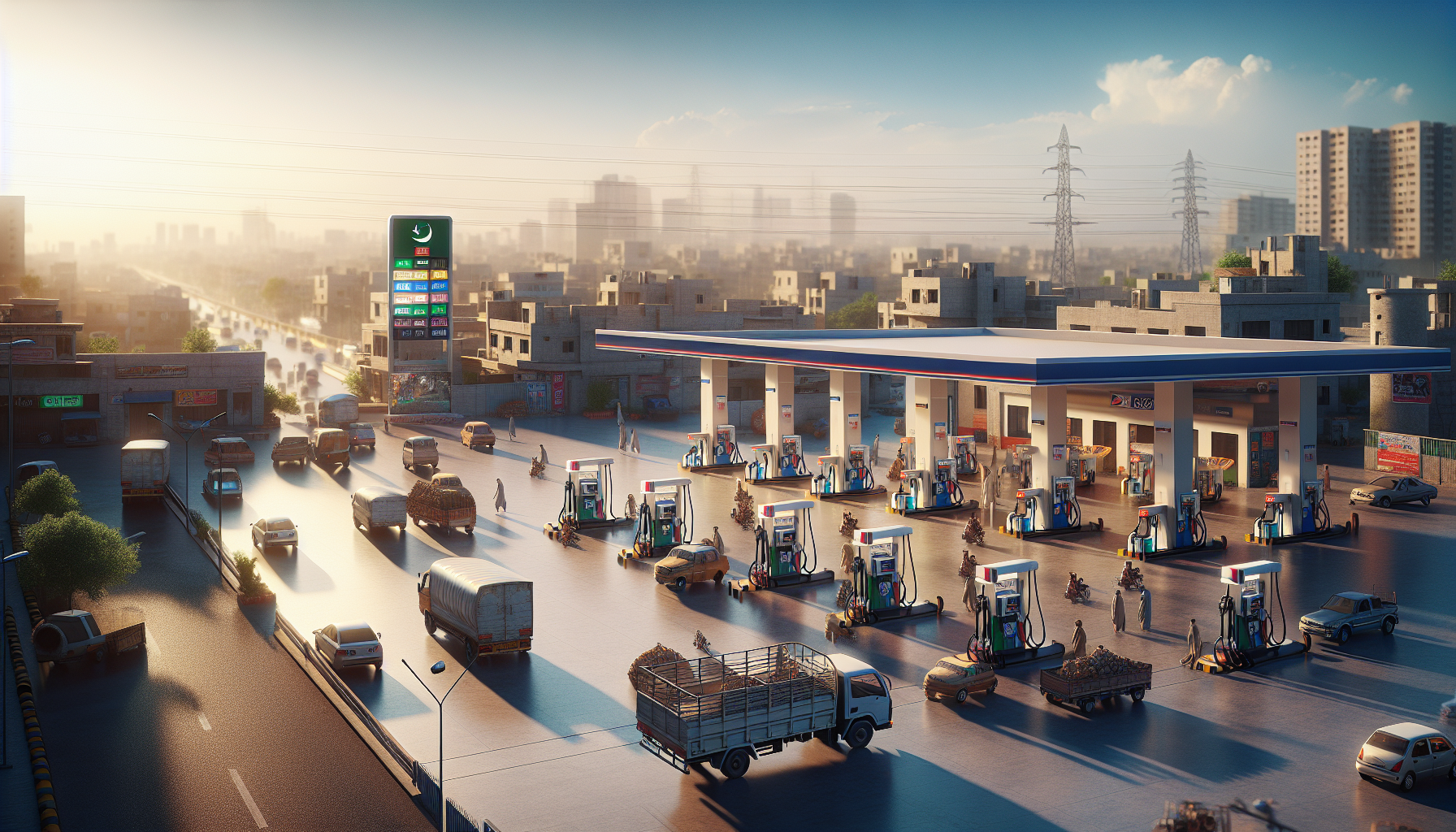
Meanwhile, Pakistan has emerged as a notable exception, successfully maintaining steady fuel supplies and avoiding the extensive disruptions experienced elsewhere.
Officials emphasize that Pakistan’s fuel supply chain remains robust, with adequate petrol and diesel reserves projected to meet national demand through April 2026 and beyond. This stability is attributed to vigilant government oversight, including daily tracking of petroleum stocks and import schedules by a high-level committee chaired by the deputy prime minister.
Importantly, the government has taken steps to protect consumers from the full brunt of global price fluctuations. A price stabilization fund of Rs 27 billion, combined with approximately Rs 69 billion in subsidies, has mitigated sharp domestic price increases, preventing petrol prices from nearing the projected Rs 400 per litre mark.
Consequently, fuel prices have remained comparatively moderate, with diesel around $1.2 per litre and petrol approximately $1.1 per litre, positioning Pakistan competitively within the regional market.
While diesel prices worldwide have surged by as much as 82 percent in some countries, Pakistan has experienced a relatively modest rise of 22 to 25 percent. This places the country among the more stable energy markets amid steep hikes faced by many Asian economies.
Equally noteworthy is what Pakistan has avoided: unlike several nations grappling with panic buying and long queues at fuel stations, there have been no nationwide rationing policies or severe restrictions on mobility. Fuel remains readily accessible, allowing economic activities to continue without significant disruption.
In a significant development, Pakistan’s resilience stands out when compared to other countries facing similar challenges. Slovenia has become the first European Union member to introduce formal fuel rationing. Australia reports shortages at hundreds of service stations, while Laos has reduced school attendance to conserve energy. Across various regions, long queues, supply bottlenecks, and emergency regulations have become increasingly prevalent.
In contrast, Pakistan’s strategic reserves, financial support mechanisms, and proactive monitoring have enabled it to navigate the crisis with relative calm. Analysts attribute this success to a comprehensive approach that balances global market pressures with domestic stability, ensuring uninterrupted fuel supply while cushioning consumers from abrupt price shocks.
As the global energy landscape remains uncertain, Pakistan’s management of the crisis highlights a case of measured resilience, providing a degree of stability at a time when many countries continue to face severe challenges.
