

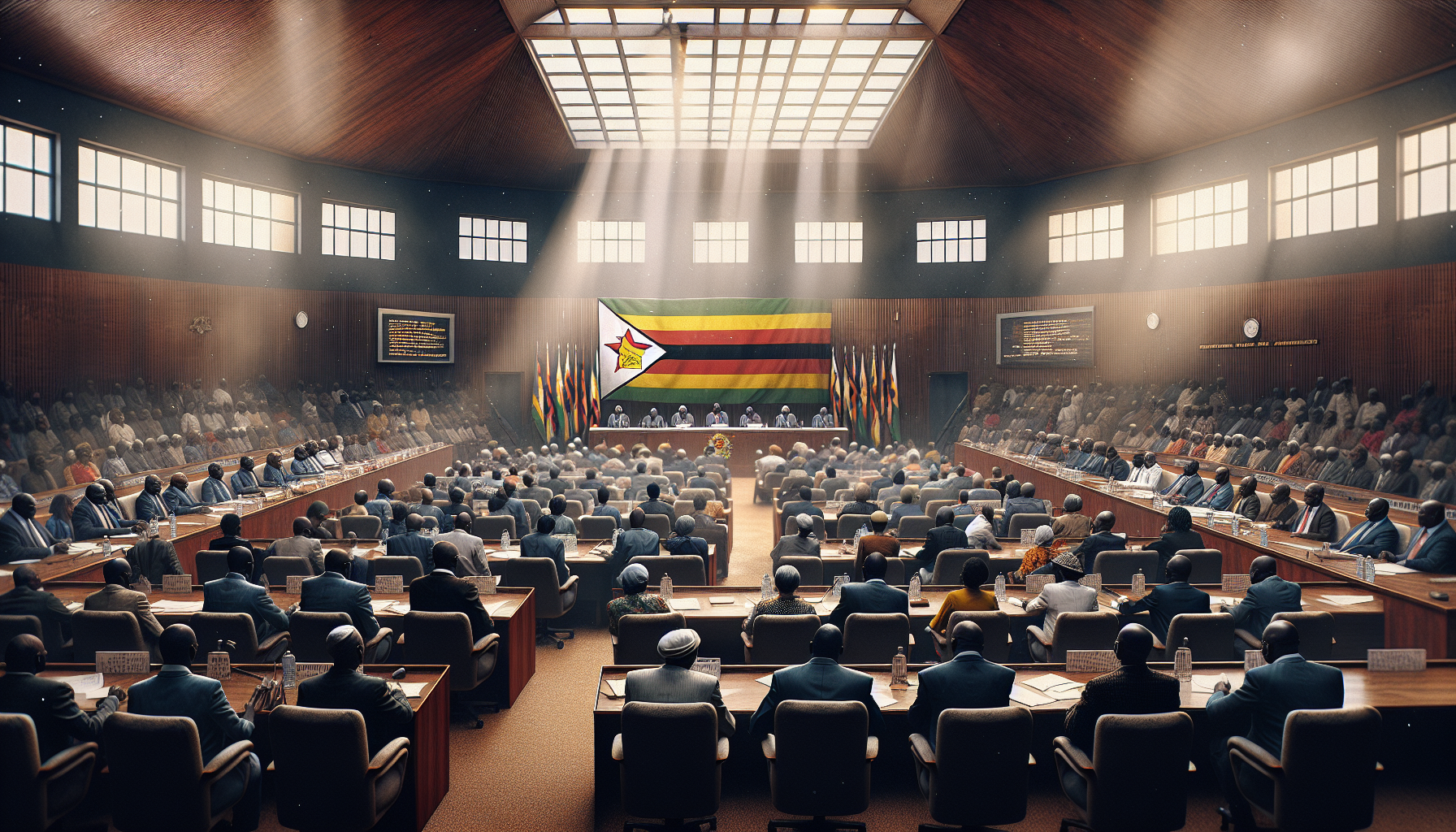
Zimbabwe is currently engaged in a contentious four-day series of public hearings focused on a proposed bill to amend the nation’s constitution. This legislative effort has sparked widespread debate among citizens who worry that the changes could undermine political pluralism. The amendment process is seen as a pivotal moment for Zimbabwe’s democratic framework, with many fearing it may curtail the range of political choices available to voters.
In a significant development, the constitutional review aims to address various governance issues but has raised concerns about potential restrictions on opposition parties and civil liberties. Zimbabwe’s political landscape has historically been marked by tension between the ruling party and opposition groups, making any constitutional change highly sensitive. The hearings provide a platform for public input, reflecting the government’s attempt to involve citizens in shaping the country’s future legal structure.
Meanwhile, the outcome of these hearings could have lasting implications for Zimbabwe’s democratic health and political stability. If the amendments are enacted as proposed, they may consolidate power within certain political factions, limiting competition and reducing electoral fairness. Observers emphasize the importance of safeguarding political choice to ensure a vibrant and inclusive democracy in Zimbabwe moving forward.
