

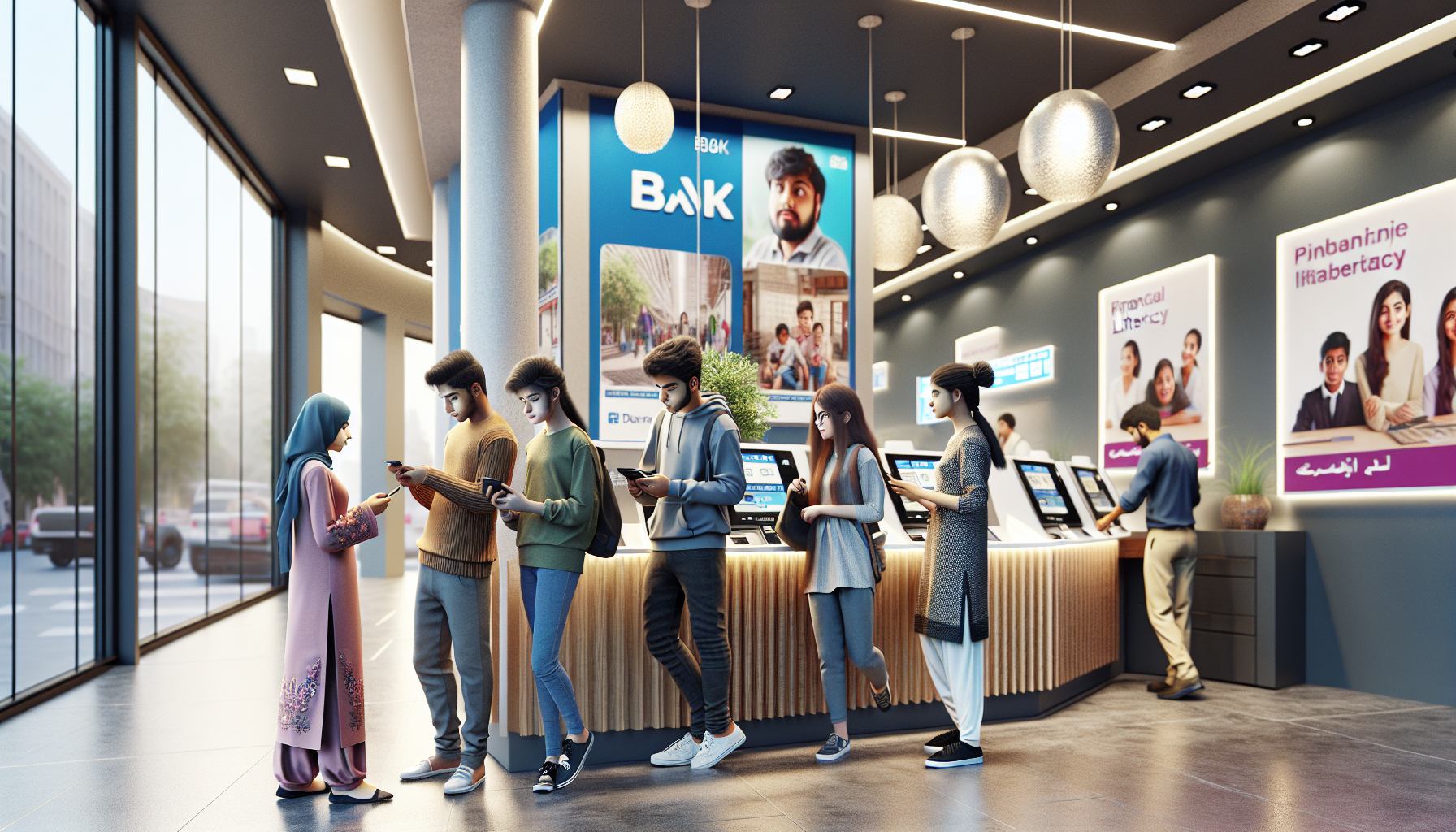
The State Bank of Pakistan (SBP) has launched a new framework that permits teenagers between the ages of 13 and 18 to independently open and manage bank accounts and digital wallets. This initiative aims to broaden financial inclusion by integrating younger individuals into the formal financial system.
Designed to foster financial literacy and responsible money management, the framework allows teenagers to operate their accounts autonomously while ensuring a secure and regulated environment. The SBP highlighted that this approach will provide young people with hands-on experience in saving, spending, and utilizing digital financial tools early on.
Officials emphasized that all services offered to minors under this scheme will comply with existing regulatory standards, safeguarding their financial interests. The inclusion of digital wallets alongside traditional banking options aligns with global trends toward digital finance, reflecting Pakistan’s commitment to modernizing its financial ecosystem.
In a significant development, the SBP stated that this framework is part of a broader strategy to enhance financial inclusion nationwide, particularly by empowering the youth through structured and safe access to financial services.
Meanwhile, the SBP’s Monetary Policy Committee (MPC) recently decided to maintain the policy rate at 10.5 percent, citing uncertainties from the ongoing Middle East conflict and rising costs in fuel, logistics, and insurance. Inflation in Pakistan rose from 5.8 percent in January to 7 percent in February, increasing pressure on households and businesses.
As of February 27, foreign exchange reserves improved to $16.3 billion, indicating better liquidity. Large-scale manufacturing recorded a slight growth of 0.4 percent in December 2025, while GDP growth for the first half of the fiscal year 2025–26 reached 4.8 percent. January 2026 saw a current account surplus of $121 million, with the fiscal year GDP growth forecasted between 3.75 and 4.75 percent.
Private sector credit expanded by Rs790 billion as of February 20, reflecting stronger lending activity. The SBP aims to increase foreign exchange reserves to $18 billion by the fiscal year’s end, supporting economic stability.
