

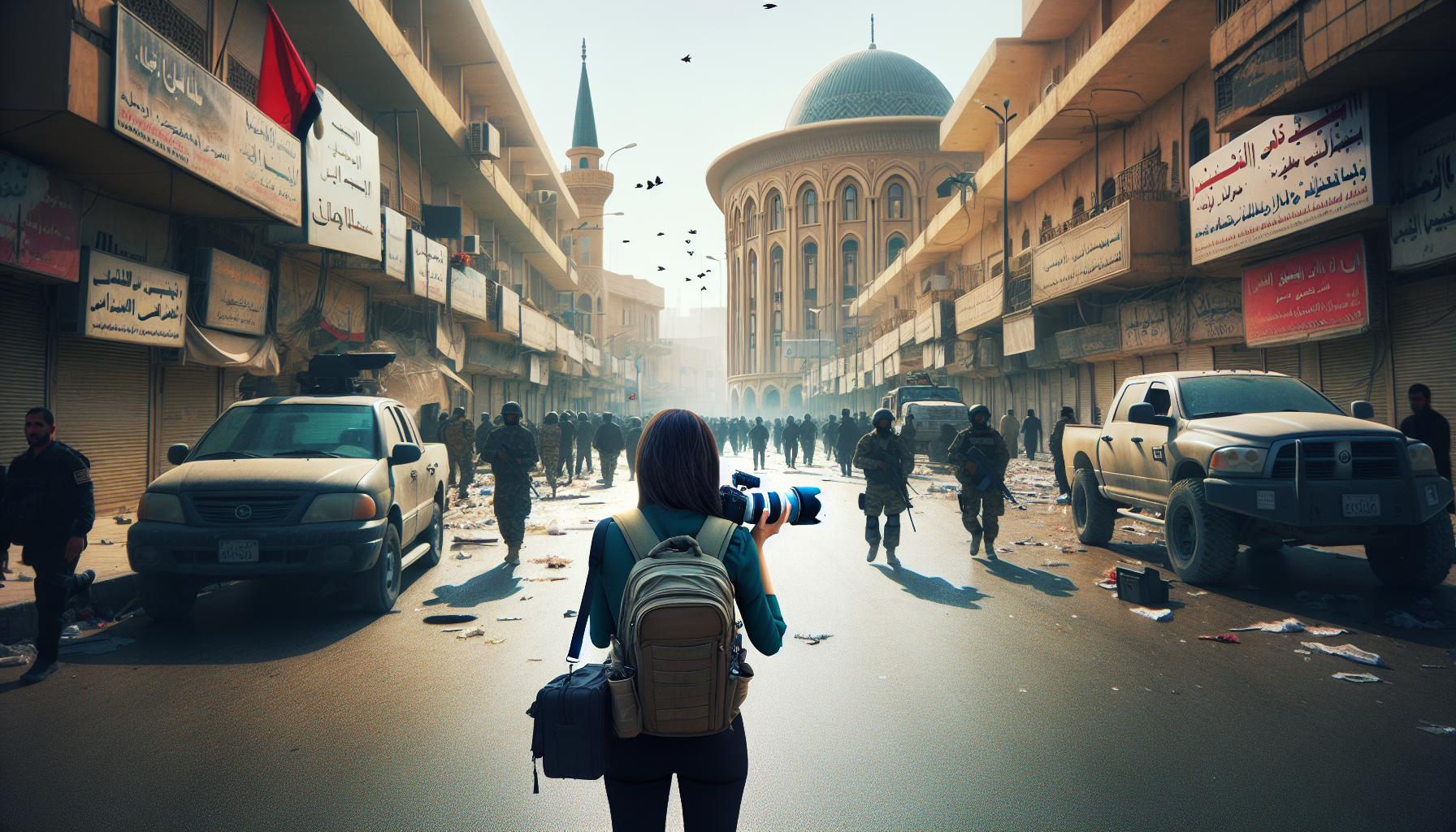
In a significant development, Shelly Kittleson, an American freelance journalist, was kidnapped in broad daylight in Baghdad. The incident highlights the ongoing risks faced by journalists operating in volatile regions, especially in Iraq’s capital, where security challenges persist. Baghdad has long been a hotspot for violence and kidnappings, often targeting foreign nationals and media personnel. This event underscores the dangers of reporting in conflict zones and the vulnerability of independent journalists.
Journalists in Iraq have frequently been subjected to threats, abductions, and violence, complicating efforts to provide accurate and timely news from the region. The kidnapping of Kittleson not only disrupts the flow of information but also raises alarms about the safety protocols for media workers in unstable areas. International organizations have repeatedly called for stronger protections for journalists, emphasizing their critical role in documenting conflicts and human rights issues. The incident may prompt renewed discussions on safeguarding press freedom and ensuring the security of reporters.
Meanwhile, the response from local authorities and international communities will be closely watched as efforts to secure Kittleson’s release unfold. The abduction could have broader implications for foreign correspondents covering Iraq and similar conflict zones worldwide. It also serves as a stark reminder of the perils faced by those committed to frontline journalism. The outcome of this case may influence future policies on journalist safety and operational guidelines in high-risk environments.
