

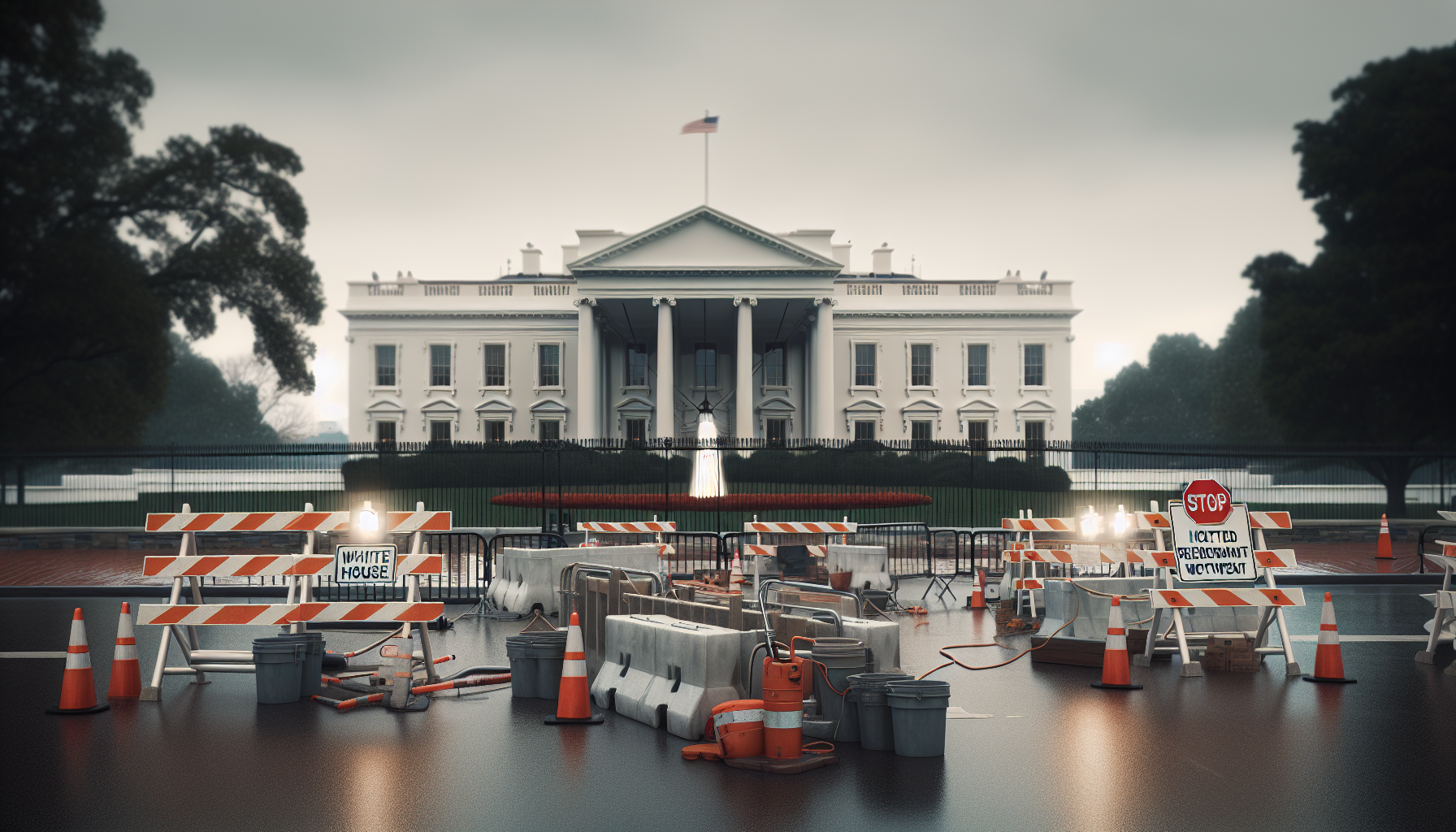
In a significant development, District Judge Richard Leon has issued a temporary injunction stopping the construction of a $400 million ballroom project at the White House. The judge ruled that the project cannot proceed without explicit statutory authorization from Congress, emphasizing the need for legal oversight on such a high-profile federal undertaking. This decision underscores the judiciary’s role in ensuring that large-scale government projects comply with legislative requirements.
The halted ballroom project, associated with former President Donald Trump, has drawn attention due to its substantial cost and the implications for federal property use. The requirement for congressional approval highlights the checks and balances designed to prevent unauthorized expenditures and maintain transparency in government operations. Meanwhile, the construction pause raises questions about the project’s future and potential political ramifications.
Notably, this ruling may set a precedent for how similar projects are managed in the future, reinforcing the necessity of legislative consent for major renovations or additions to federal landmarks. The decision also reflects ongoing scrutiny of expenditures linked to former administrations. As the legal and political discourse unfolds, stakeholders await Congress’s response, which will determine whether the project can resume or faces permanent cancellation.
