

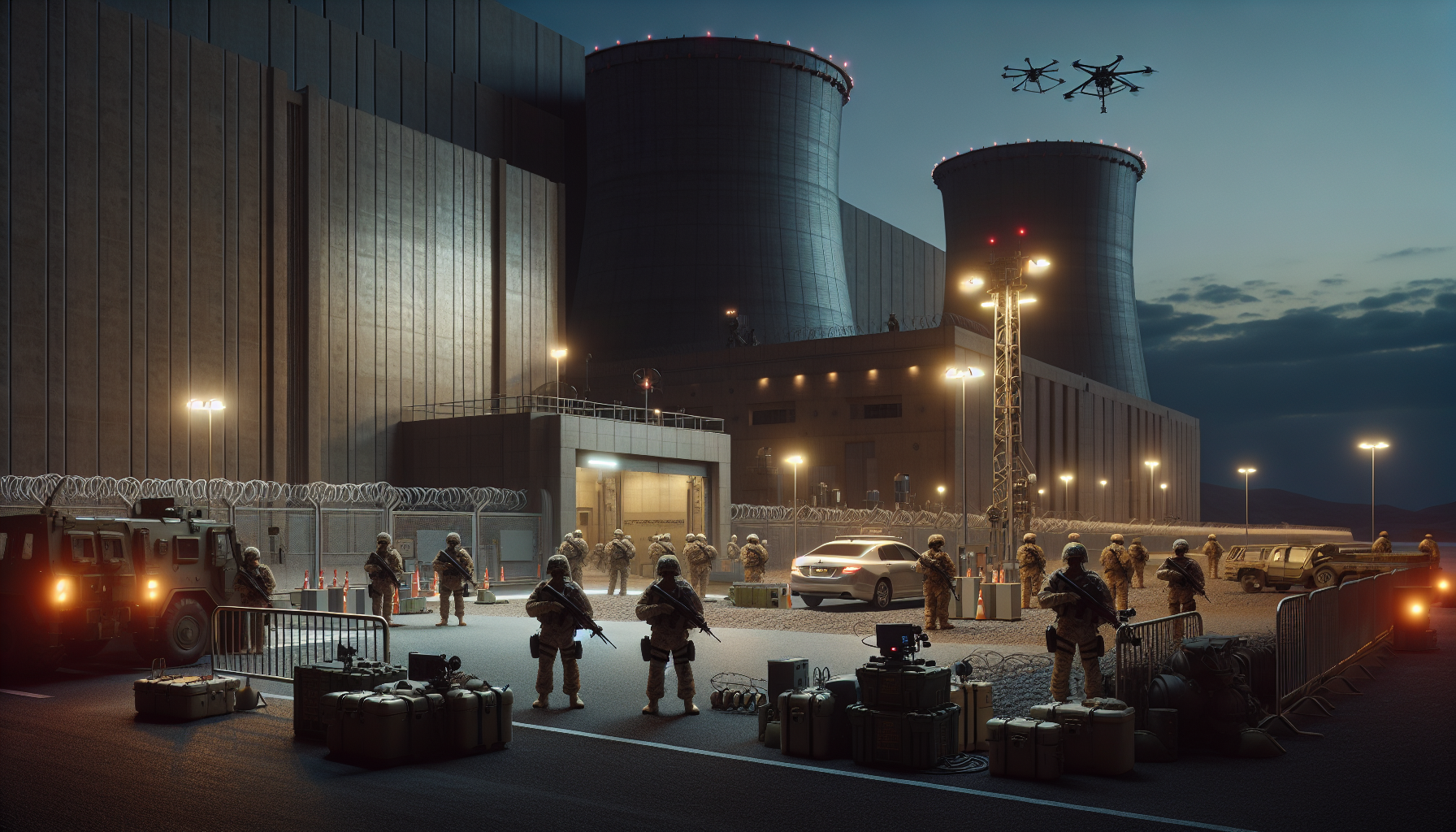
In a significant development, experts have highlighted the immense challenges involved in any attempt to seize Iran’s uranium stockpile. Such an operation is considered one of the most intricate special missions ever conceived, requiring precise coordination and execution. The complexity arises from the high-security environment surrounding the uranium facilities and the geopolitical sensitivities involved. Any misstep could escalate tensions in an already volatile region, making the stakes exceptionally high.
Iran’s uranium reserves are central to its nuclear program, which has long been a focal point of international scrutiny and diplomatic negotiations. The stockpile’s strategic importance means that any intervention would not only demand advanced military capabilities but also careful consideration of the broader regional and global implications. The risk of unintended consequences, including potential retaliation or disruption of diplomatic efforts, adds to the operation’s difficulty. This underscores why policymakers must weigh the potential benefits against the significant hazards.
Meanwhile, the prospect of such a mission reflects ongoing concerns about nuclear proliferation and the urgency to prevent further enrichment activities. The situation remains delicate, with various international actors monitoring developments closely. The complexity and risks involved in seizing uranium stockpiles highlight the need for comprehensive strategies that combine diplomacy, intelligence, and, if necessary, carefully planned operations. This scenario exemplifies the intricate balance between security imperatives and geopolitical stability in the Middle East.
