

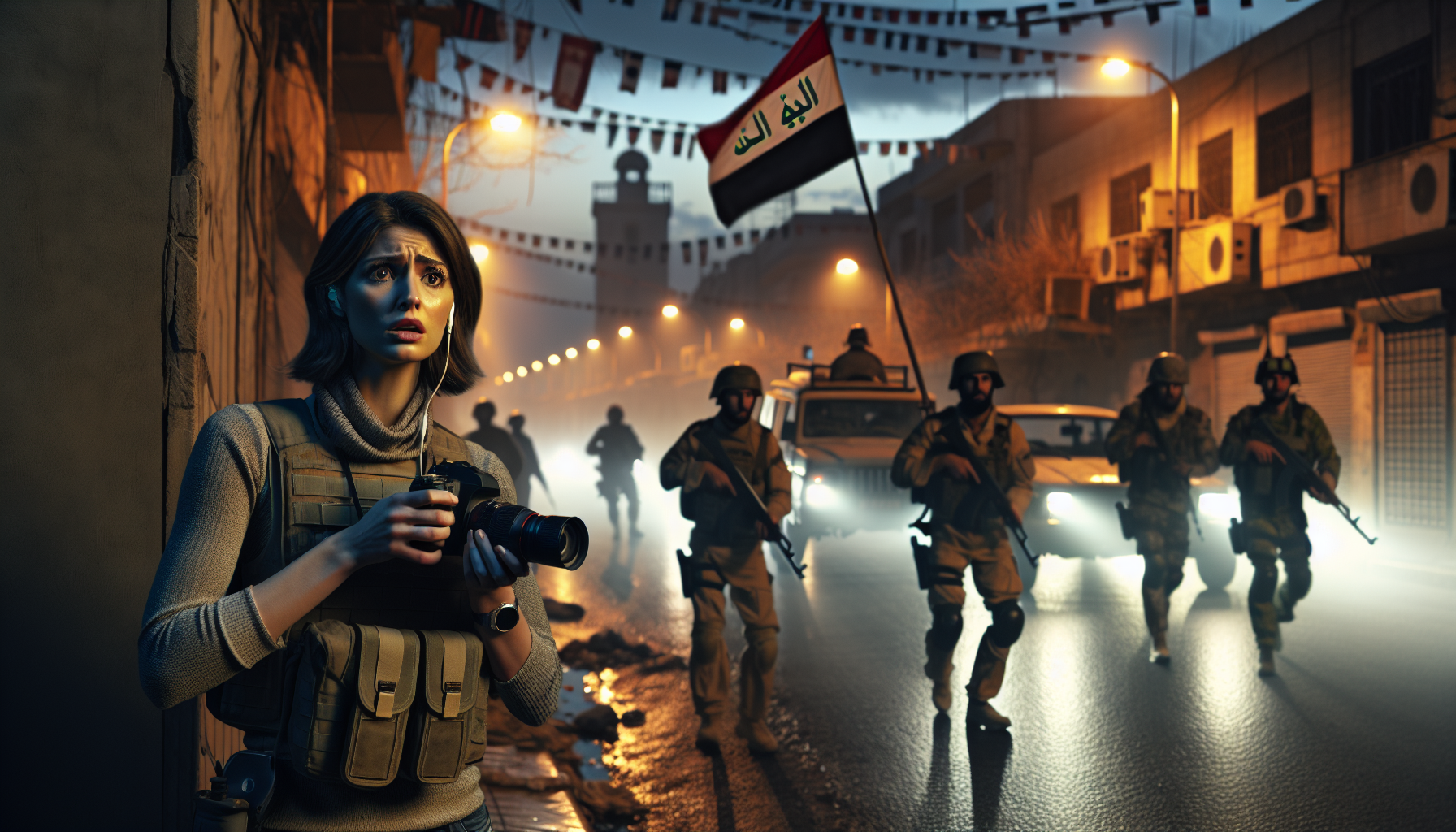
Shelly Kittleson, an American journalist, was abducted in Baghdad, raising serious concerns about the safety of foreign correspondents in Iraq. The incident highlights the ongoing risks faced by media personnel operating in conflict zones, where militia groups often exert significant influence. Kittleson’s kidnapping underscores the volatile security environment in Baghdad, where various armed factions continue to challenge state authority.
In a significant development, authorities have identified a suspect linked to Kataib Hezbollah, an Iran-backed militia group known for its militant activities in Iraq. This group has been implicated in numerous violent incidents and is considered a major destabilizing force in the region. The involvement of such a faction suggests that the abduction may be politically or ideologically motivated, complicating efforts for a swift resolution.
The kidnapping of Kittleson not only endangers her life but also threatens press freedom and international journalistic efforts in Iraq. It may prompt increased diplomatic pressure on militia groups and calls for enhanced protection measures for journalists. Meanwhile, the incident serves as a stark reminder of the broader geopolitical tensions influencing Iraq’s security landscape and the challenges faced by those reporting from the ground.
