

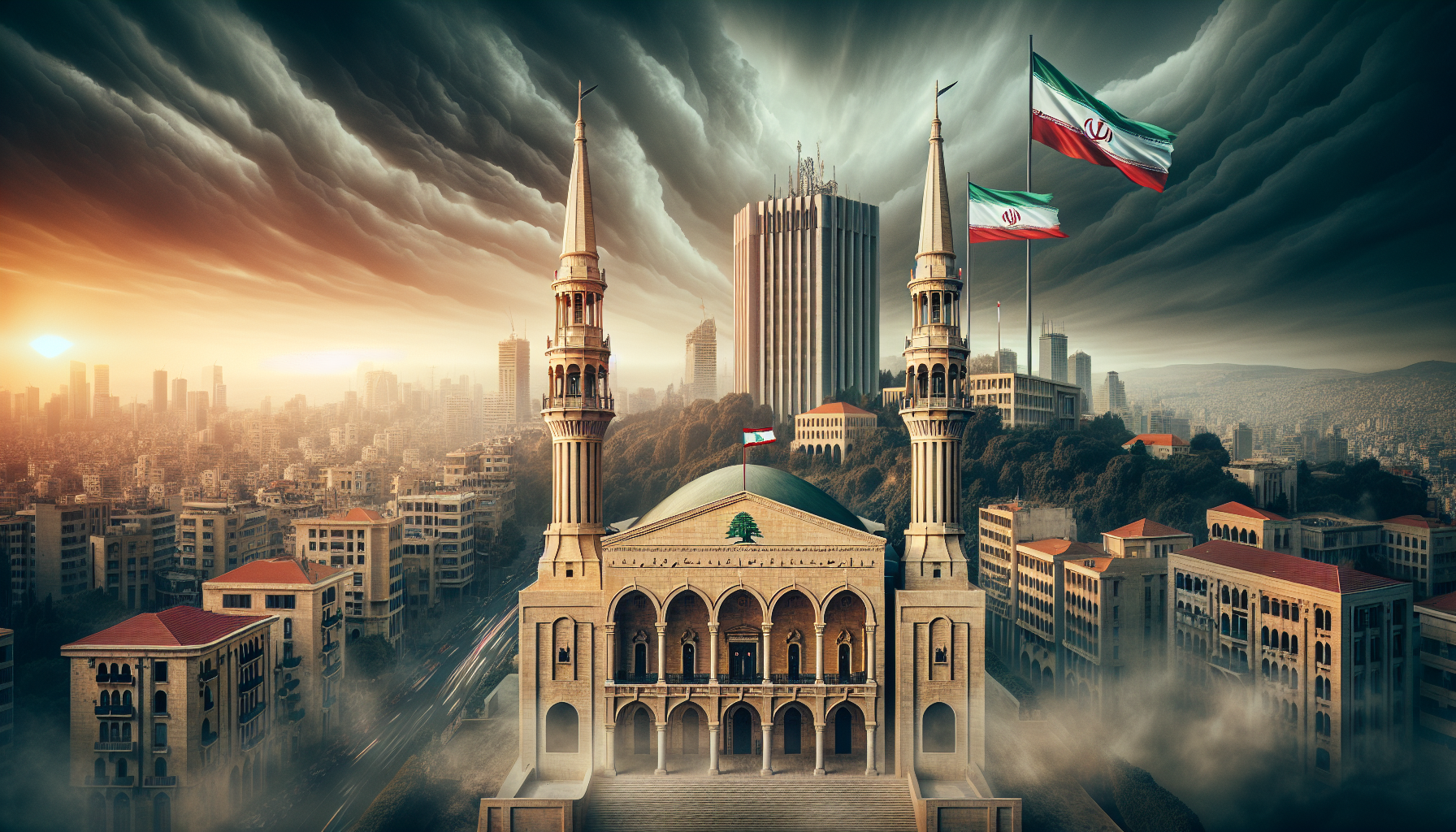
Lebanon’s recent expulsion of the Iranian ambassador marks a critical moment in the country’s ongoing political turmoil. This move underscores the fragile nature of state authority in Lebanon, where various factions exert significant influence over national decisions. The expulsion is seen as a response to increasing pressure from international and domestic actors seeking to curb Iran’s influence in the region. However, it also exposes the limits of the Lebanese government’s power amid competing interests.
Meanwhile, Hezbollah, a powerful political and militant group in Lebanon, has openly backed the Iranian ambassador despite the expulsion. This support reflects Hezbollah’s close ties with Iran and its resistance to calls for disarmament. The group views disarmament efforts as a threat to its strategic position and regional alliances. Hezbollah’s stance complicates Lebanon’s internal dynamics, as it challenges the government’s attempts to assert control over armed factions within the country.
In a significant development, the conflict surrounding the ambassador’s expulsion and Hezbollah’s defiance deepens existing rifts within Lebanon’s fragile political landscape. The situation highlights the broader struggle between state sovereignty and non-state actors backed by foreign powers. This ongoing tension threatens Lebanon’s stability and complicates efforts to achieve national unity and peace. The international community continues to watch closely as Lebanon navigates these complex challenges.
