

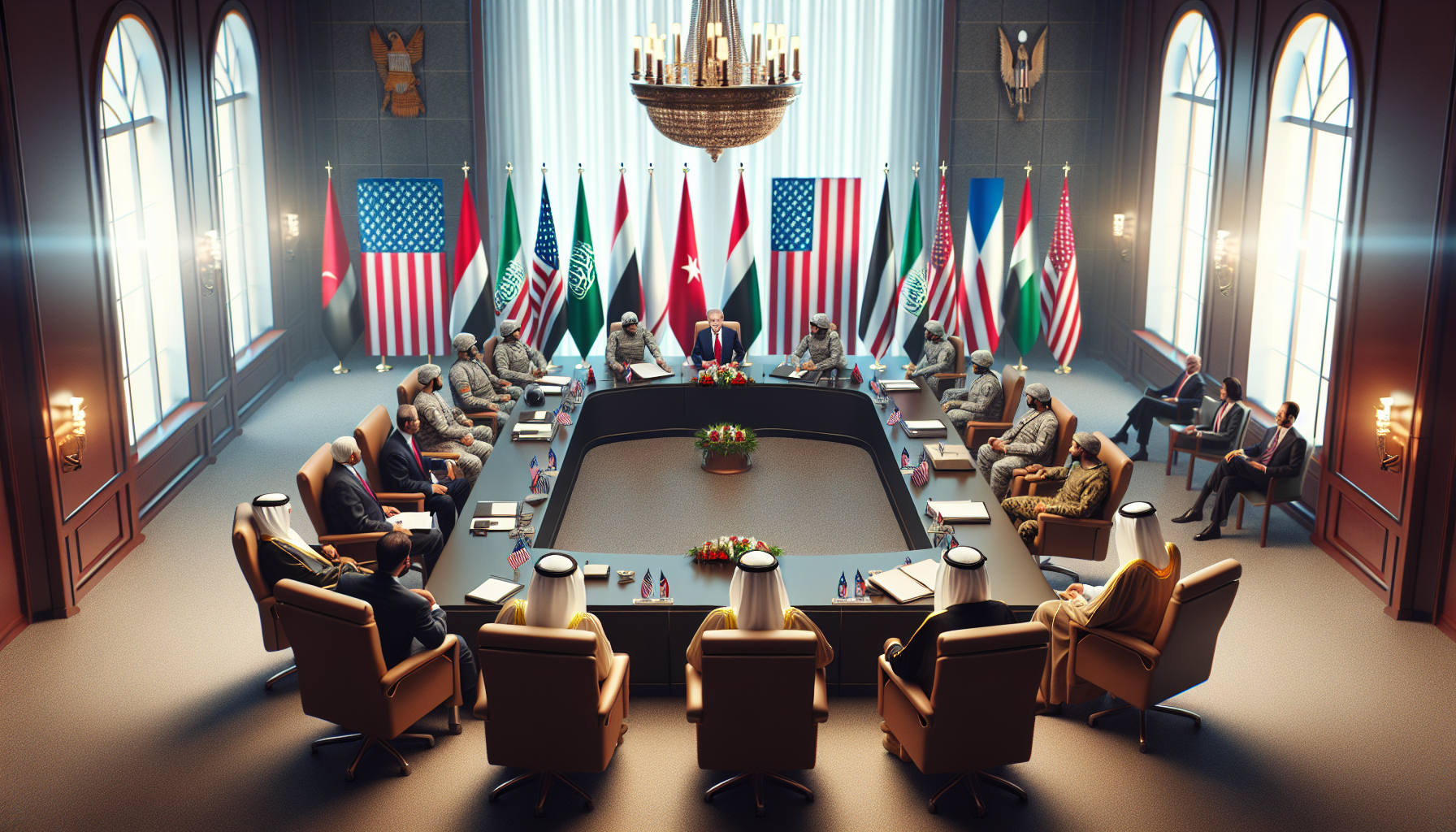
The White House has indicated that former President Donald Trump could advocate for Arab nations to shoulder the financial burden of any military conflict with Iran. This approach reflects a broader historical pattern where the United States has sought to involve regional allies in funding wars that primarily serve American strategic interests. Such a move would mark a significant shift in the financial responsibilities associated with potential Middle Eastern conflicts.
Historically, the US has engaged in multiple conflicts in the Middle East, often bearing the majority of the costs itself, while relying on regional partners for logistical or political support. The suggestion to have Arab countries pay for a war against Iran underscores ongoing tensions and the complex geopolitical dynamics in the region. It also highlights the strategic importance the US places on its alliances with Gulf states, which have vested interests in countering Iranian influence.
In a significant development, this proposal could impact diplomatic relations between the US and its Arab allies, potentially reshaping defense cooperation and burden-sharing agreements. It also raises questions about the willingness of these nations to finance a conflict that could have far-reaching consequences for regional stability. The prospect of Arab nations funding such a war reflects the evolving nature of international military partnerships and the economic considerations behind them.
