

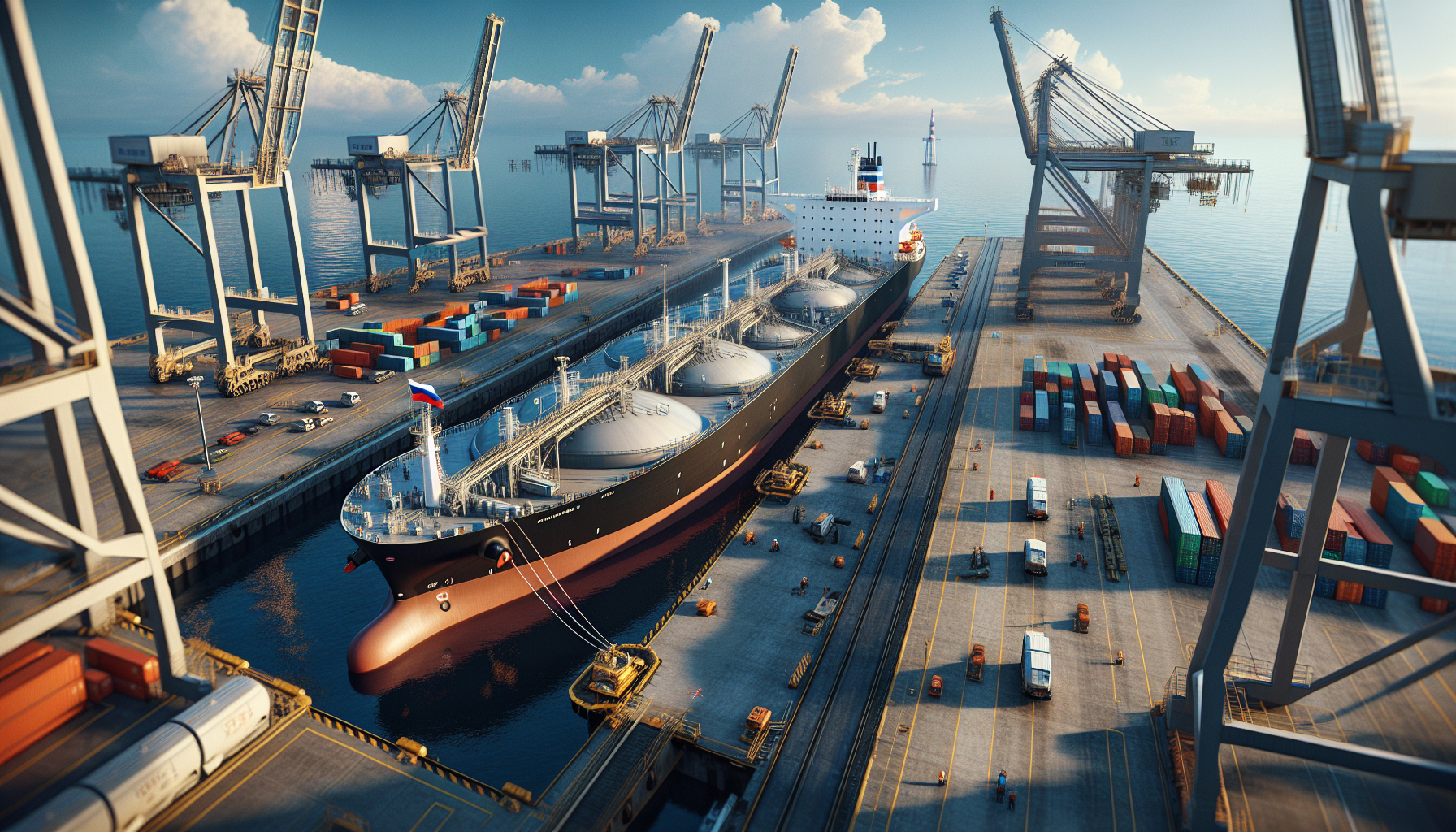
A Russian oil tanker has successfully docked in Cuba, marking a significant development after months of a near-complete blockade that severely restricted fuel supplies to the island. This arrival provides much-needed relief to Cuba’s energy sector, which has been grappling with acute shortages impacting transportation, electricity generation, and essential services. The blockade had intensified the country’s economic challenges, exacerbating hardships for the Cuban population.
In a significant development, the tanker’s docking signals a temporary easing of the supply constraints that have hampered Cuba’s economy. The fuel delivered is expected to support critical infrastructure and help stabilize daily operations across various sectors. Meanwhile, the geopolitical implications of this shipment highlight Russia’s ongoing efforts to maintain strategic ties with Cuba amid international sanctions and diplomatic pressures.
Notably, this event underscores the broader context of global energy politics and the challenges faced by nations under economic embargoes. The arrival of the Russian tanker may also influence future negotiations and supply routes, potentially altering the dynamics of Cuba’s energy dependency. For the Cuban people, this shipment offers a brief reprieve from the fuel scarcity that has affected their daily lives and the country’s economic stability.
