

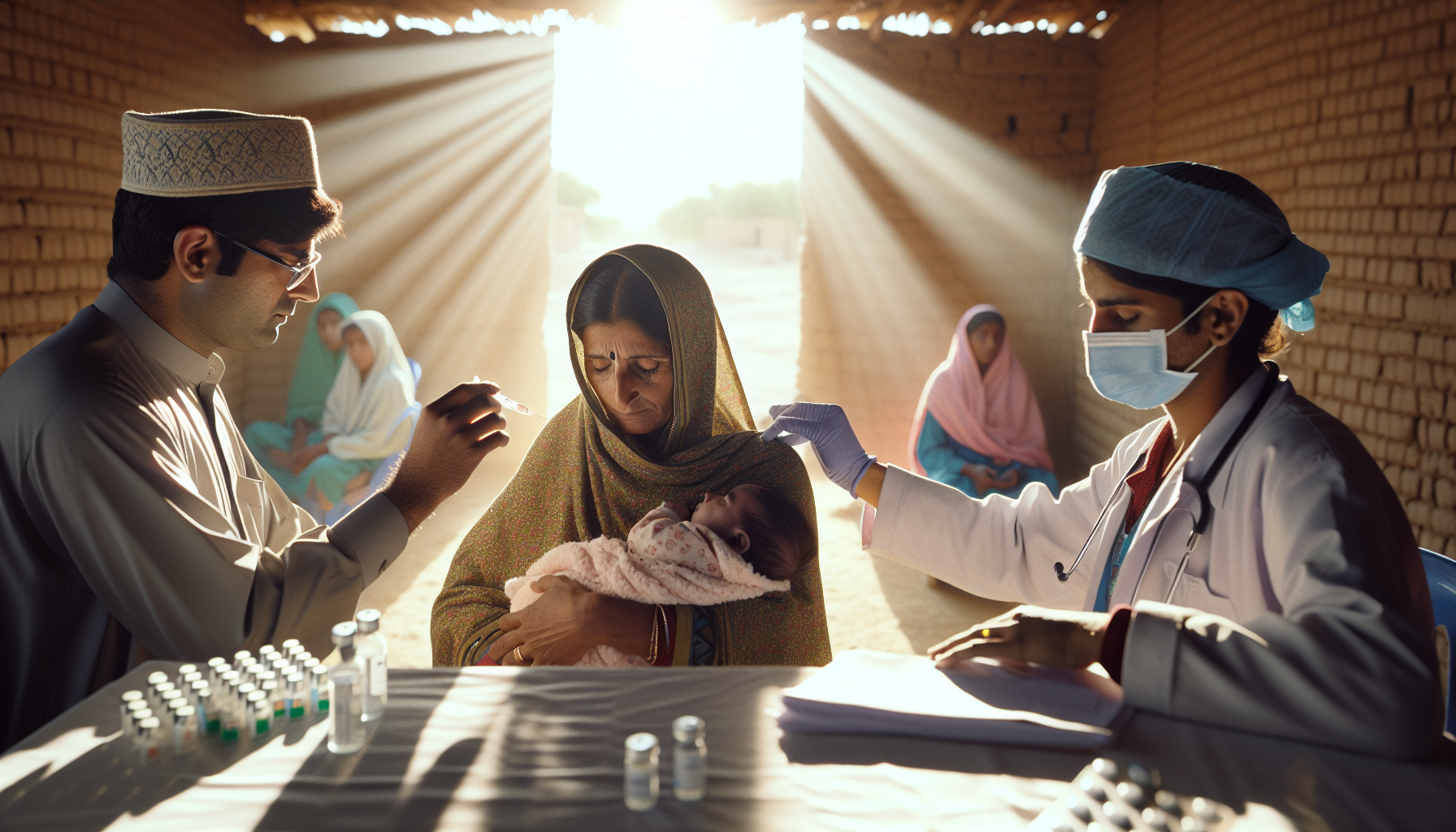
Pakistan has achieved notable advancements in key child and maternal health indicators between 2018–19 and 2024–25, based on data from the Household Integrated Economic Survey (HIES) 2024–25 compiled by the Pakistan Bureau of Statistics. The progress is evident in areas such as immunisation coverage, skilled birth attendance, and child survival rates, although significant disparities persist across different regions and socio-economic groups.
Immunisation rates have seen a modest increase during this period. Full immunisation based on vaccination records rose from 68% to 73%, while combined estimates including recall data improved from 76% to 78%. Despite these gains, provincial differences remain pronounced, with Punjab achieving 79% coverage compared to 66% in Sindh, 69% in Khyber Pakhtunkhwa, and only 54% in Balochistan.
Child health indicators present a mixed scenario. The incidence of diarrhea among children under five has increased from 6% to 10%, and the percentage of children taken to healthcare practitioners has declined from 84% to 77%. Meanwhile, the use of oral rehydration salts (ORS) has improved from 53% to 60%, reflecting some positive changes in home-based treatment practices.
Mortality rates have steadily improved. Infant mortality has decreased from 57 to 47 deaths per 1,000 live births, and neonatal mortality has dropped from 41 to 35 per 1,000. However, these figures remain high by health experts’ standards. The analysis underscores maternal education as a crucial determinant of child survival: infant mortality among children of mothers with no education is 72 per 1,000 live births, compared to just 11 per 1,000 among those whose mothers have attained higher education.
Maternal healthcare has also seen significant progress. The proportion of home deliveries has fallen from 30% to 16%, while skilled birth attendance has risen from 70% to 84%. More births are now occurring in health facilities, with doctors increasingly playing a central role in delivery care.
In a significant development, the report characterizes Pakistan’s progress as meaningful yet uneven. While key health indicators have improved, persistent inequalities linked to geographic location, healthcare access, and maternal education continue to challenge efforts to achieve equitable health outcomes nationwide.
