

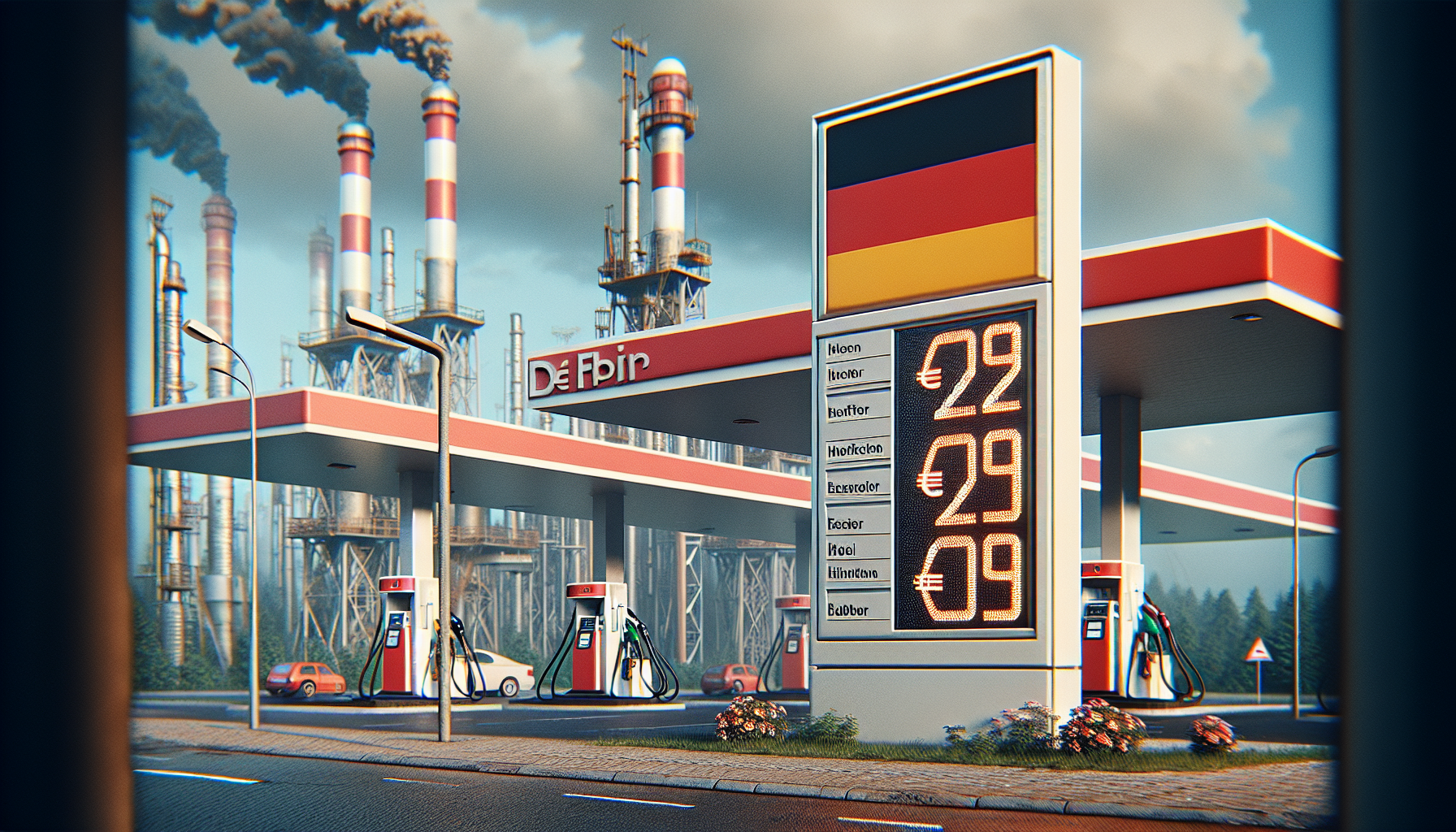
German inflation climbed to a two-year peak of 2.7% in March, propelled by escalating oil prices caused by the ongoing conflict in Iran, the Federal Statistical Office announced on Monday. This preliminary figure marks an increase from 1.9% in February and approaches the 2.9% inflation rate recorded in January 2024.
Energy costs were the primary factor behind the inflation surge, rising by 7.2% compared to March 2025. Additionally, service prices increased by 3.2%, while food prices saw a modest rise of 0.9%. On a monthly basis, overall prices grew by 1.1%, the Wiesbaden-based agency.
In a significant development, Jörg Krämer, chief economist at Commerzbank, warned that the inflation increase in March is just the beginning. He emphasized that unless the war concludes swiftly, higher energy expenses will continue to ripple through supply chains in the coming months.
While inflation in Germany was initially expected to hover around the European Central Bank’s 2% target this year, the conflict initiated by Israel and the United States against Iran on February 28 has altered this outlook. Iran’s blockade of the Strait of Hormuz and attacks on Gulf infrastructure from both sides have driven oil prices above $100 per barrel, resulting in fuel prices exceeding €2 ($2.30) per litre at German pumps.
Deutsche Bank forecasts annual inflation to reach 2.7%, while the Bundesbank, Germany’s central bank, recently cautioned that inflation could rise to 3% in the near future. This surge in prices has revived memories of the inflationary pressures experienced after Russia’s invasion of Ukraine in February 2022, when annual inflation peaked at 6.9% in 2022 and remained elevated at 5.9% in 2023 before easing to 2.2% over the last two years.
Public concern is high, with a YouGov survey revealing that nine out of ten Germans expect food prices to increase due to the Iran conflict, which shows no signs of abating as US President Donald Trump intensifies his threats should no ceasefire be achieved.
Economists warn that the oil price shock will have broader repercussions on the global economy. Rising production and transportation costs are likely to push up prices for food, dining out, and various services. The construction industry is also expected to face higher expenses, while increased fertilizer costs are placing additional pressure on farmers.
