

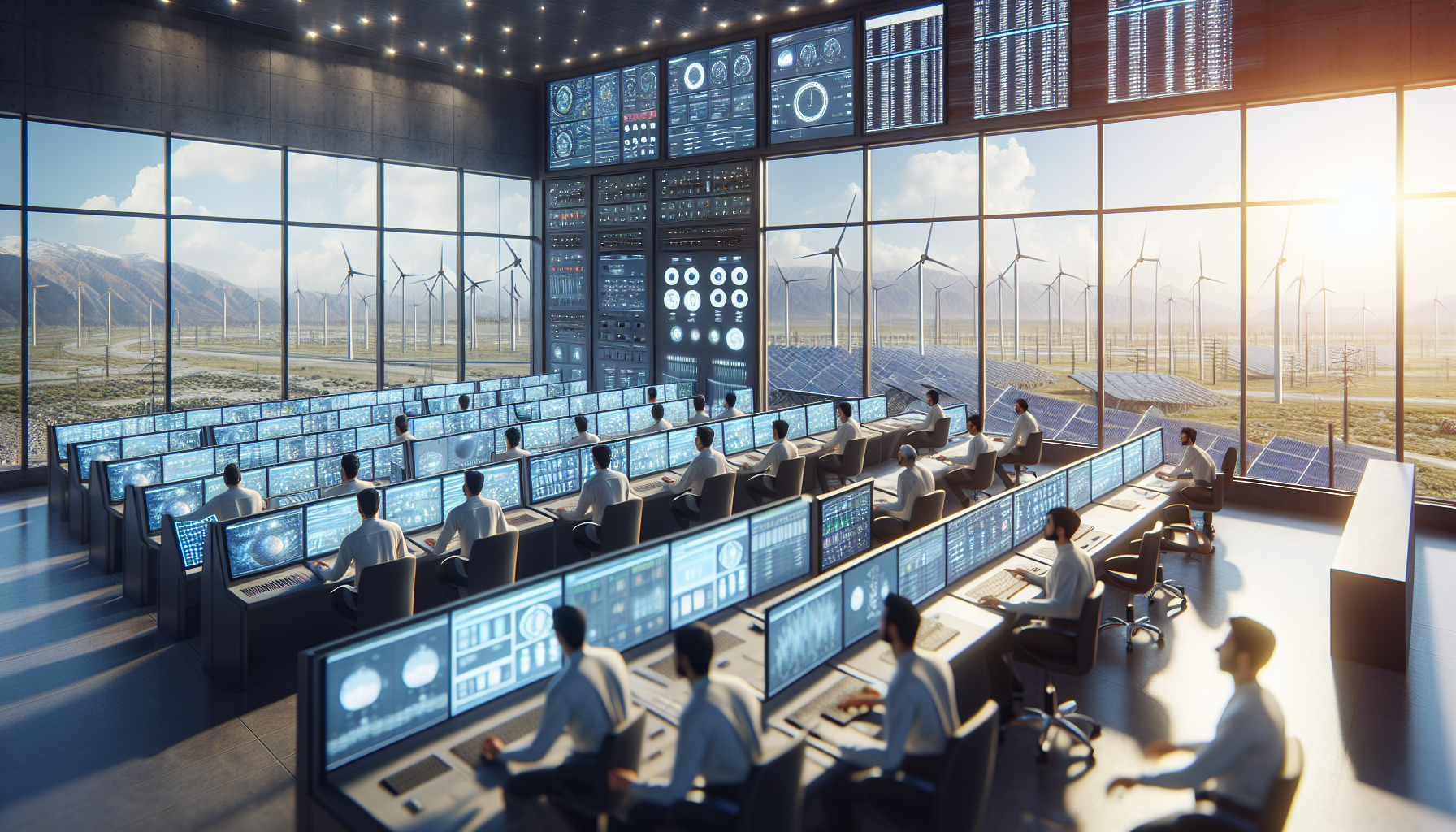
Pakistan’s electricity sector is at a critical juncture where conventional power generation confronts a growing prosumer movement. By March 2026, the country boasts its highest-ever installed capacity, close to 45,000 MW. However, the cost per unit remains a significant barrier, hindering industrial expansion and household financial stability.
In a significant development, the International Monetary Fund’s March 27, 2026 Staff-Level Agreement has made energy sector sustainability a strict condition for releasing a $1.2 billion tranche. This has prompted the National Electric Power Regulatory Authority (NEPRA) to approve a Rs 1.98 per unit tariff increase for March bills, incorporating fuel cost adjustments and quarterly charges.
While the government has managed to convert part of the Rs 2.5 trillion circular debt into long-term commercial loans to ease immediate pressure, new debts continue to accumulate. Persistent inefficiencies and non-payments, notably a Rs 329 billion receivable from K-Electric, mean the state still struggles to recover the full cost for every unit generated.
In a bold move, the government’s 2026 Reforms Report targets Independent Power Producers (IPPs) by renegotiating longstanding “take-or-pay” contracts. The aim is to save Rs 1.4 trillion by shifting to a “take-and-pay” model, where payments are made only for electricity actually consumed rather than for reserved capacity. Although this approach faces opposition from some private entities, it is seen as essential to reduce the capacity payment burden, which currently accounts for nearly half of the average consumer’s base tariff.
Meanwhile, 2026 also marks a turning point for solar energy users. On February 9, NEPRA introduced the Prosumer Regulations 2026, replacing the traditional Net Metering system with Net Billing. Existing agreements before this date remain protected until their expiration, allowing a one-to-one unit exchange. However, new solar adopters now pay the full retail rate of approximately Rs 50 per unit for electricity drawn from the grid, while the grid purchases their surplus solar power at a much lower rate of Rs 11-12 per unit.
This significant pricing disparity has accelerated the shift towards off-grid hybrid solar systems, with consumers increasingly viewing the grid as a backup rather than a partner.
On the generation front, the energy mix is stabilizing despite financial challenges. Early 2026 saw nuclear power emerge as a reliable baseload source, supplying nearly 18 percent of the grid’s electricity at costs far below those of RLNG. Additionally, Thar Coal is beginning to contribute substantially, reducing dependence on imported coal and helping shield tariffs from international supply chain fluctuations.
In summary, Pakistan’s power sector no longer faces a shortage of generation capacity but rather struggles with pricing structures and delivery mechanisms. With 3,500 MW of new wind and solar capacity added over the past two years, infrastructure is in place. Yet, until circular debt is decentralized and capacity payments are curtailed through IPP contract reforms, the electricity grid will remain an expensive luxury for many.
