

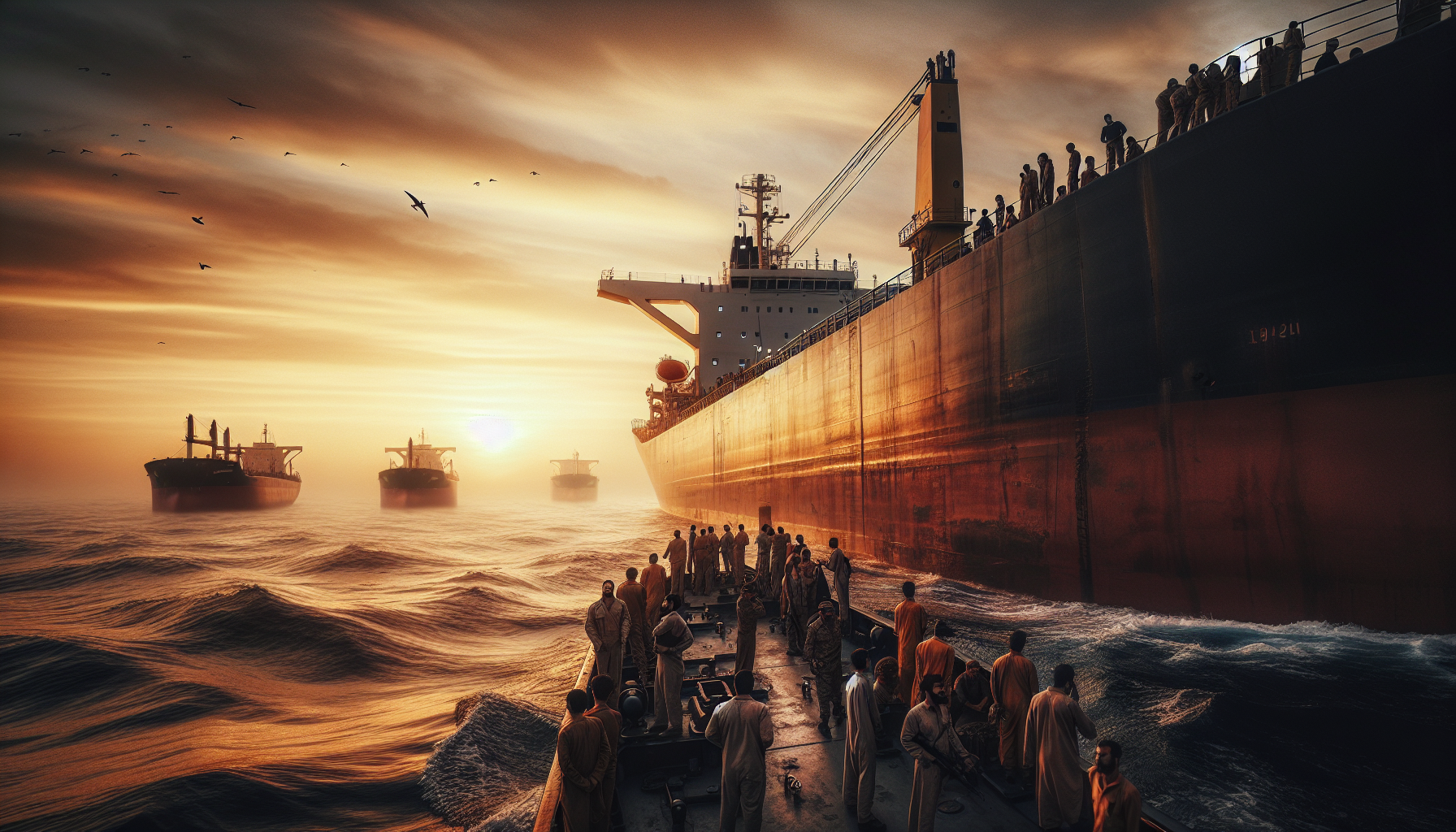
Arsenio Dominguez, head of the International Maritime Organization (IMO), has raised alarm over the plight of approximately 20,000 seafarers currently stranded in the Strait of Hormuz. This critical maritime passage, vital for global oil shipments, has become a bottleneck due to geopolitical tensions and logistical challenges. Dominguez underscored that while ships and cargo can be insured, the safety and well-being of human lives aboard these vessels cannot be guaranteed through insurance policies.
In a significant development, the IMO chief’s statement draws attention to the human cost behind maritime disruptions that often focus on economic and strategic impacts. The stranded seafarers face prolonged uncertainty, limited access to essential supplies, and psychological stress, highlighting the urgent need for coordinated international efforts to resolve the situation. The Strait of Hormuz’s strategic importance as a chokepoint for nearly a fifth of the world’s oil trade amplifies the consequences of such maritime standstills.
Meanwhile, the warning from the IMO serves as a call for enhanced maritime safety protocols and humanitarian considerations in conflict-affected shipping lanes. The situation also stresses the broader implications for global trade security and the necessity for diplomatic engagement to ensure safe passage for seafarers. The ongoing crisis in the Strait of Hormuz exemplifies the complex intersection of geopolitical conflict, commercial interests, and human rights within international maritime operations.
