

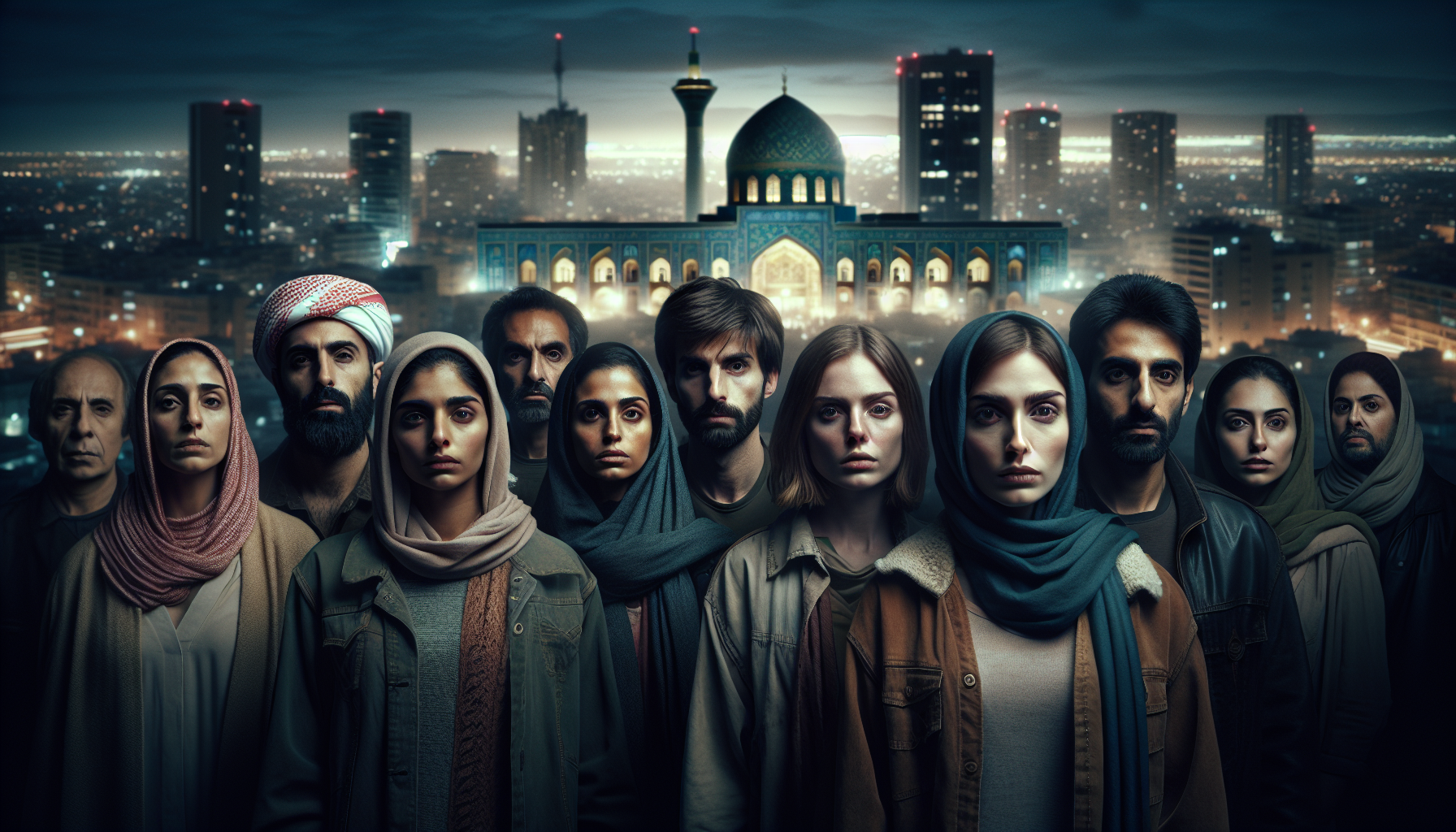
Iranian dissidents residing outside their homeland are increasingly worried about potential retaliation from Tehran, even while in exile. These individuals, who openly criticize Iran’s government, face a persistent threat that extends beyond their country’s borders. Their fears are compounded by the ongoing tensions between the United States and Iran, which have intensified geopolitical instability in the region. This hostile environment has made it difficult for dissidents to find a secure refuge where they can freely express their views without fear of reprisal.
Meanwhile, the growing anti-immigrant sentiment in host countries adds another layer of challenge for these exiled Iranians. Many face social and political hostility that undermines their safety and integration efforts. Such sentiments often fuel discrimination and isolation, making it harder for dissidents to mobilize support or advocate for change. The combination of external threats from their home government and local societal pressures creates a precarious situation for these activists.
In a significant development, the plight of Iranian dissidents highlights broader issues related to human rights and international asylum policies. Their experiences underscore the complexities of political exile in a world where national conflicts have far-reaching impacts. The situation calls for increased awareness and protective measures to ensure that those fleeing persecution can live without fear. It also reflects the urgent need for diplomatic solutions to ease tensions and safeguard vulnerable populations caught in geopolitical struggles.
