

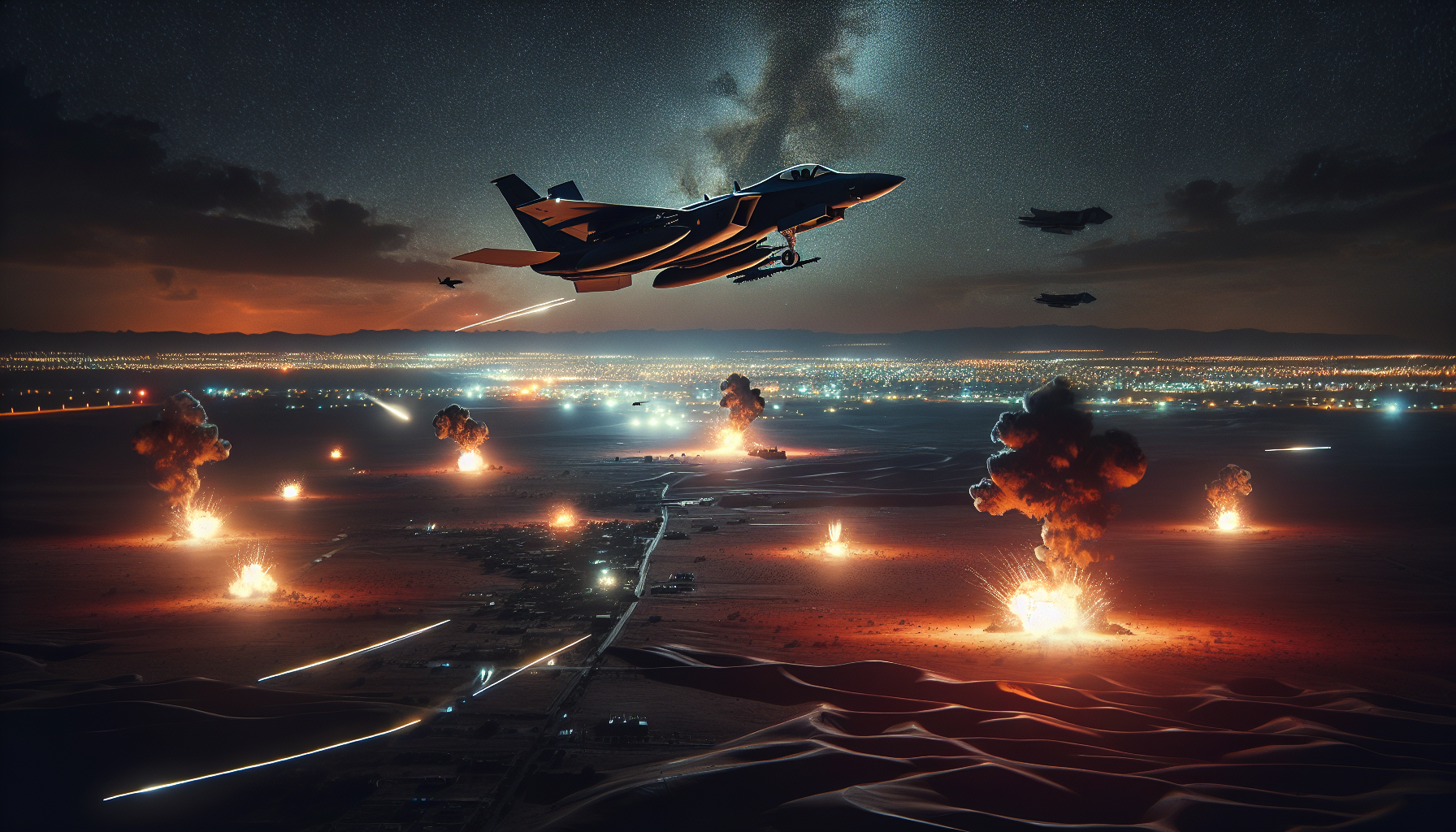
In a significant development, air strikes in Iraq have resulted in the deaths of three fighters from the Popular Mobilization Forces (PMF) and two police officers. These attacks underscore the intensifying violence in the region, which has seen a marked increase since late February. The conflict initially escalated following US and Israeli strikes targeting Iranian interests, setting off a chain of retaliatory actions and military engagements.
Since the war began on February 28, Iraq has increasingly become a contested battleground, with various armed groups and state forces involved in ongoing clashes. The PMF, a coalition of mainly Shia militias, has been a key player in the conflict, often targeted due to its ties with Iran. Meanwhile, Iraqi security forces have also suffered casualties, reflecting the broader instability affecting the country’s security landscape.
The continuation of these air strikes and ground confrontations threatens to further destabilize Iraq and the wider Middle East. The involvement of multiple state and non-state actors complicates efforts to achieve peace, raising concerns about the potential for a prolonged and expanding war. This situation highlights the fragile nature of regional security and the risks posed by external military interventions.
