

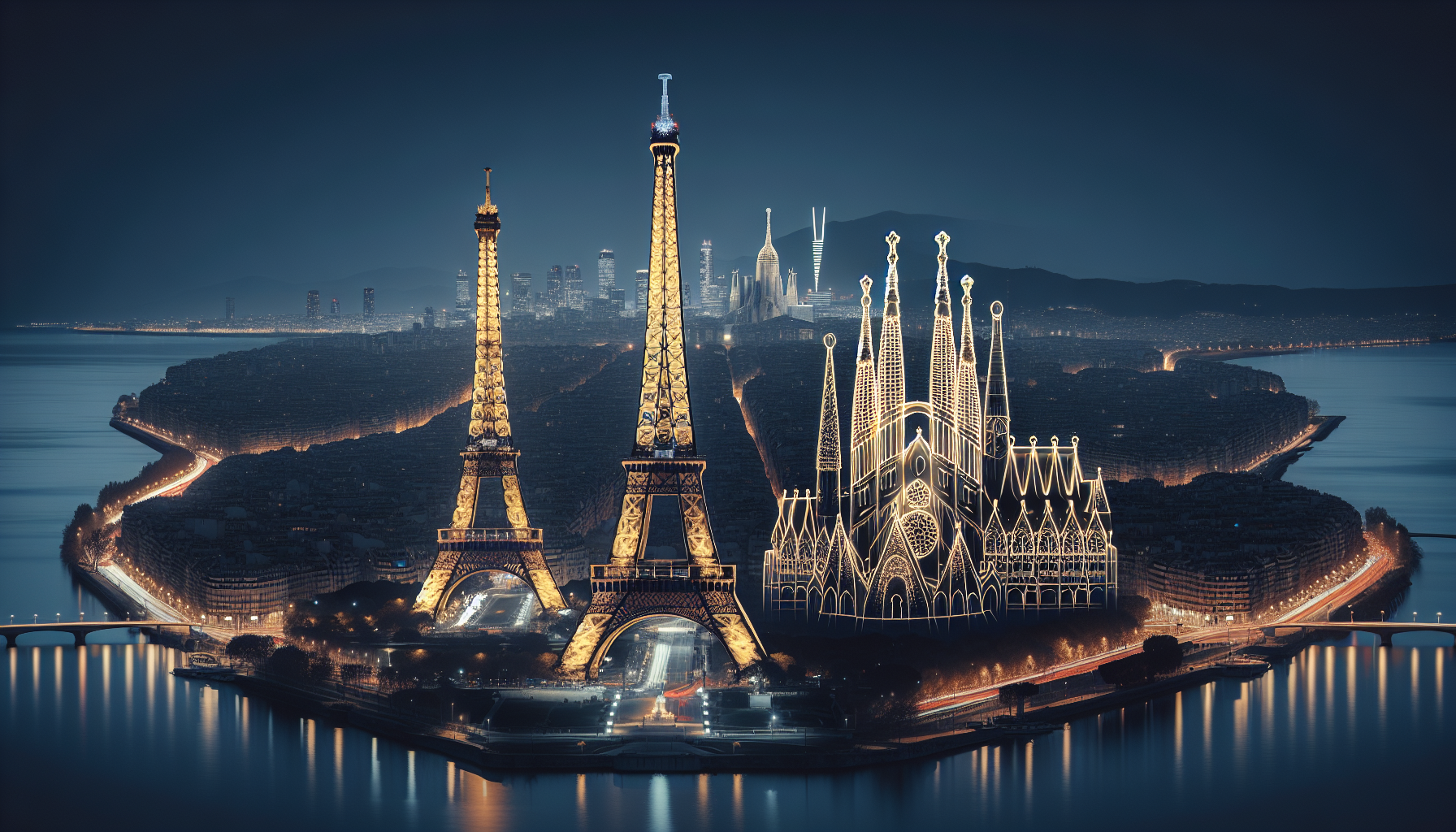
In a symbolic gesture to raise awareness about climate change, several world-renowned landmarks, including France’s Eiffel Tower and Spain’s Sagrada Família Basilica, switched off their lights for one hour on Saturday night. This annual event, known as Earth Hour, encourages individuals and organizations worldwide to demonstrate their commitment to environmental sustainability by reducing energy consumption. The initiative, started by the World Wide Fund for Nature (WWF) in 2007, has grown into a global movement involving millions of participants across more than 180 countries.
Notably, the participation of such iconic structures underscores the importance of collective action in addressing the urgent challenges posed by global warming and environmental degradation. By darkening these famous monuments, organizers aim to inspire governments, businesses, and citizens to adopt greener practices and support policies that promote renewable energy and conservation. The visual impact of these landmarks going dark serves as a powerful reminder of the finite nature of Earth’s resources and the need for sustainable living.
Meanwhile, Earth Hour continues to gain momentum as a platform for environmental advocacy, fostering dialogue on climate solutions and encouraging behavioral change. Beyond the symbolic hour, the event seeks to motivate long-term commitments to reduce carbon footprints and protect biodiversity. As climate change remains a critical global issue, such initiatives play a vital role in mobilizing public support and influencing policy decisions worldwide.
