

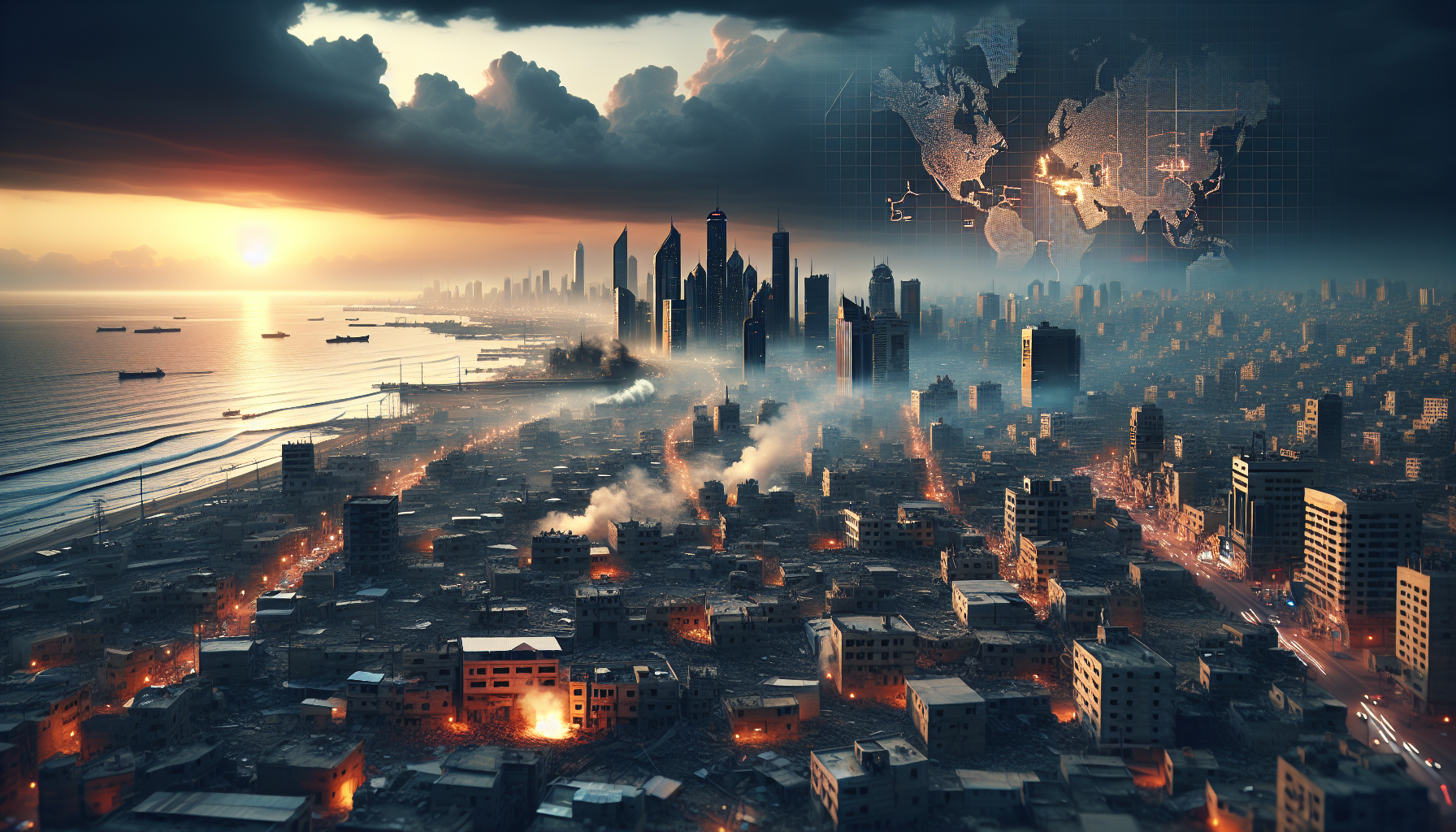
In a significant development, the global spotlight has shifted predominantly towards the ongoing conflict involving Iran, overshadowing other critical regional issues. This change in focus has led to growing uncertainty regarding the future of peace negotiations and stability in Gaza. The Gaza Strip, long a flashpoint of conflict, now faces diminished international attention, complicating efforts to address humanitarian and political challenges there.
Historically, Gaza has been a region marked by repeated cycles of violence and fragile ceasefires, with peace efforts often dependent on sustained international engagement. Meanwhile, the intensification of the Iran war has redirected diplomatic and media resources, reducing the momentum for resolving Gaza’s complex issues. This shift risks prolonging instability and exacerbating the humanitarian crisis faced by the population in Gaza.
Notably, the evolving geopolitical landscape underscores the interconnectedness of Middle Eastern conflicts and the challenges in balancing international priorities. The uncertainty surrounding Gaza’s future peace prospects highlights the need for renewed focus and coordinated efforts to prevent further deterioration. As the world grapples with the Iran conflict, the situation in Gaza remains precarious, demanding sustained attention to avoid a resurgence of violence and to support long-term stability in the region.
