

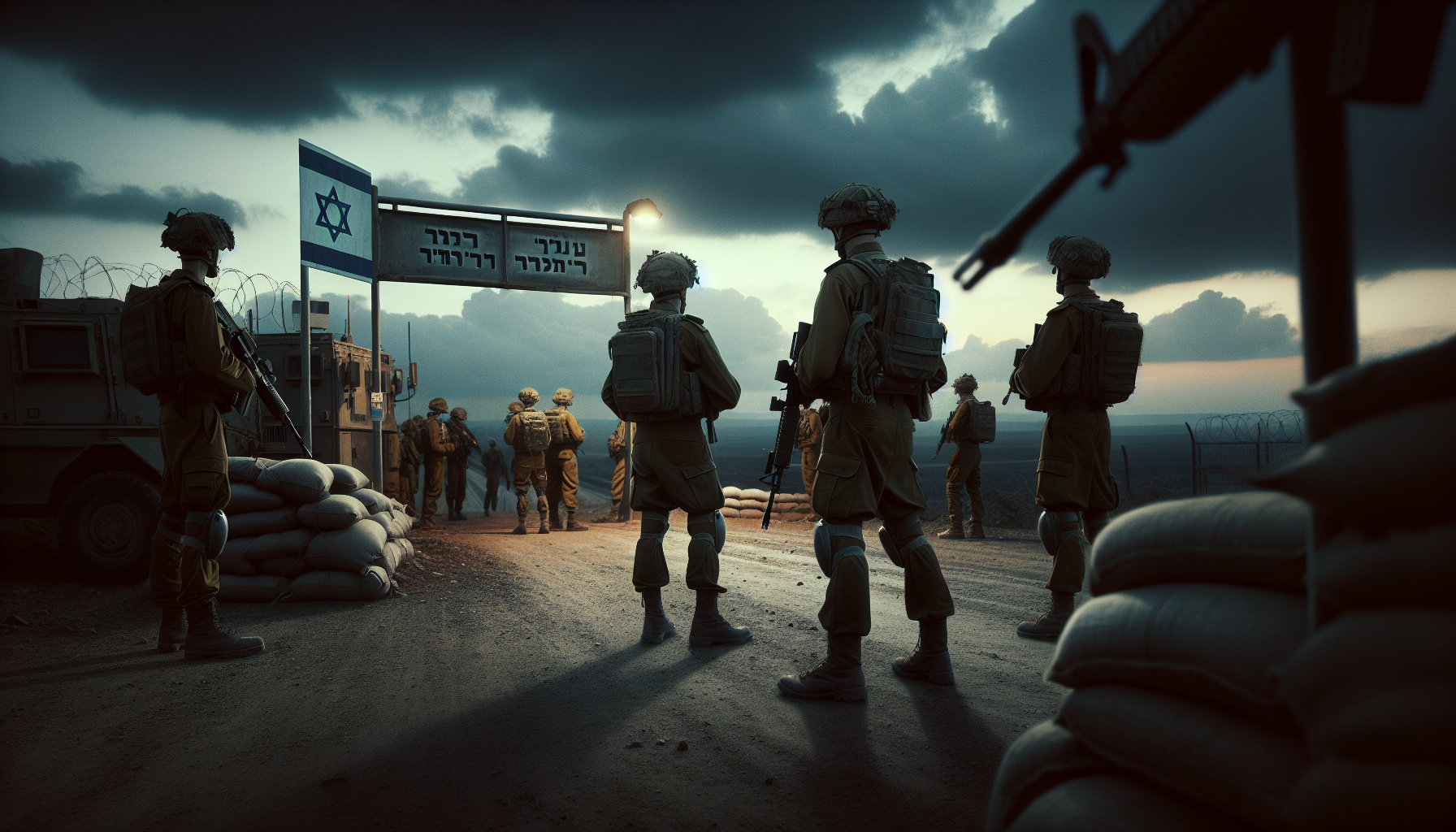
In recent weeks, a surge in opposition voices within Israel has brought the government’s military operations in southern Lebanon under intense scrutiny. Citizens and political figures alike are increasingly skeptical about the effectiveness and consequences of the current strategy. This growing dissent reflects broader concerns about the human and economic costs of prolonged conflict in the region. The debate highlights the challenges Israel faces in balancing security objectives with public opinion.
Historically, Israel’s military engagements in Lebanon have been marked by complex geopolitical dynamics, including confrontations with Hezbollah and efforts to secure its northern borders. The current questioning of military tactics signals a potential shift in public sentiment that could influence future policy decisions. Analysts note that sustained opposition may pressure the government to reconsider its approach or seek alternative diplomatic solutions. Meanwhile, the situation remains volatile, with implications for regional stability and Israel’s security posture.
Notably, this internal debate occurs amid ongoing tensions in the Middle East, where military actions often have far-reaching consequences beyond immediate conflict zones. The Israeli government’s response to domestic criticism will be pivotal in shaping both its military strategy and political landscape. As opposition grows, the discourse surrounding the Lebanon conflict underscores the complexities of modern warfare and the importance of aligning military objectives with national consensus.
