

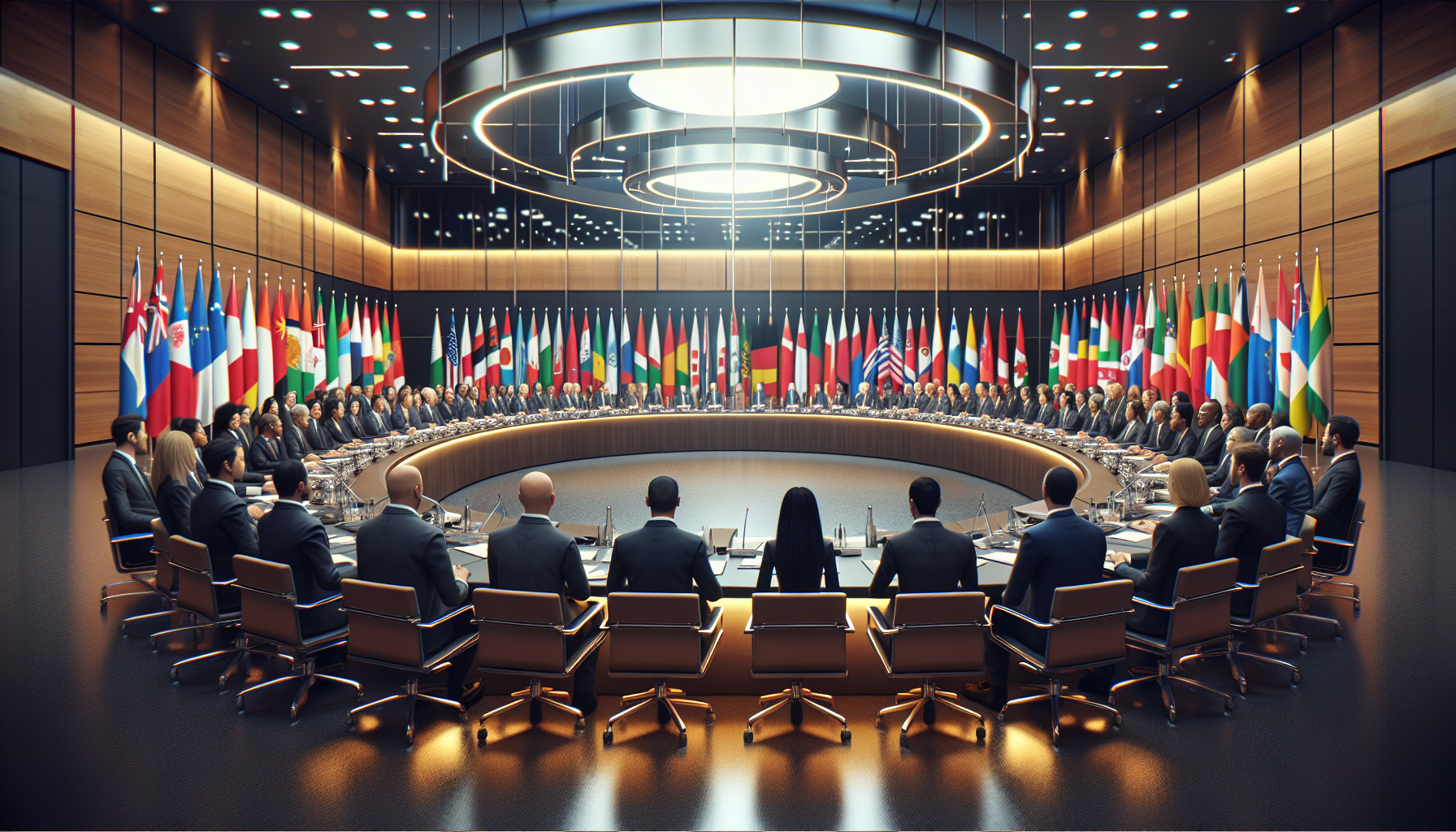
The World Trade Organization (WTO) has convened a pivotal meeting to address mounting challenges threatening the multilateral trade system. Recent tariff disputes have severely disrupted the established global trade order, undermining decades of cooperative economic policies. This meeting aims to find consensus on necessary reforms to restore trust and functionality within the WTO framework. Failure to reach agreement could lead to a fragmented system where individual nations or blocs create their own trade rules.
In a significant development, the inability to modernize the WTO’s rules has raised concerns about the organization’s future relevance. The current impasse reflects deeper geopolitical tensions and divergent economic interests among member states. The risk is that without a unified approach, the global trade environment could become more unpredictable and less stable. Such a scenario would complicate international commerce and potentially slow global economic growth.
Meanwhile, experts warn that the breakdown of the multilateral system could prompt some countries to bypass the WTO and establish alternative trade agreements or unilateral policies. This shift might result in a patchwork of conflicting regulations, increasing costs and barriers for businesses worldwide. The outcome of this meeting is therefore critical not only for the WTO’s survival but also for maintaining a predictable and fair global trading system that supports economic development across nations.
