

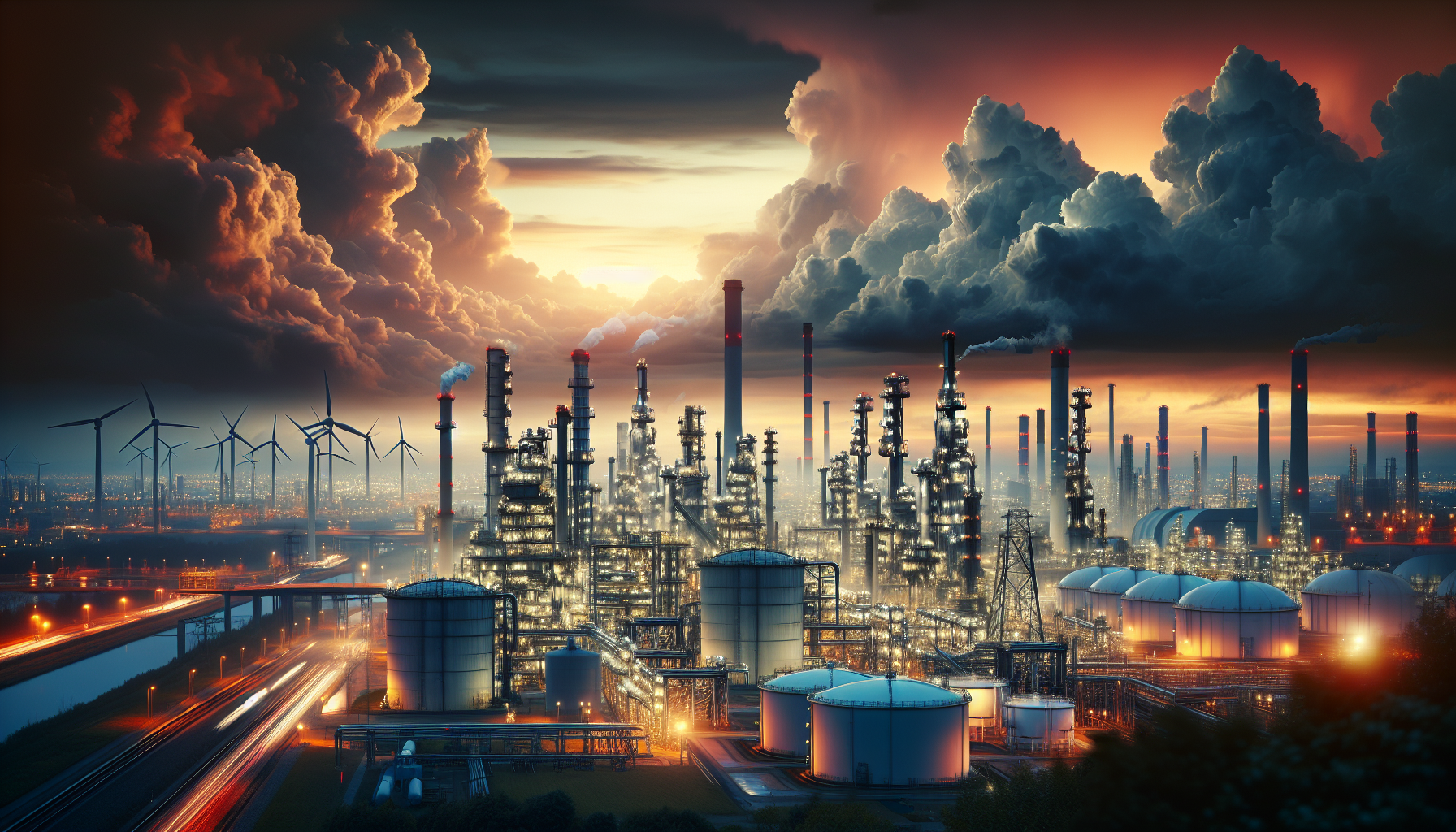
Europe is confronting the possibility of a significant energy shortage as tensions in Iran continue to escalate. The ongoing conflict has disrupted critical supply routes, raising concerns about the stability of energy imports that many European countries rely on. This situation threatens to create a supply crunch, which could severely impact industries and households across the continent. The potential scarcity of energy resources is prompting governments to explore alternative sources and emergency measures to mitigate the impact.
Meanwhile, the disruption in supply is expected to trigger a sharp increase in energy prices, compounding economic pressures already felt due to inflation and post-pandemic recovery challenges. Higher energy costs could lead to increased production expenses and consumer bills, affecting the overall economic stability in the region. Notably, energy security has become a strategic priority for European policymakers, who are seeking to diversify supply chains and reduce dependency on volatile regions.
In a significant development, the crisis underscores the interconnectedness of global geopolitics and energy markets, highlighting Europe’s vulnerability to external conflicts. The situation may accelerate investments in renewable energy and infrastructure resilience as part of long-term solutions. As the Iran conflict persists, the European energy landscape remains uncertain, with potential ramifications for both economic growth and social welfare across member states.
