

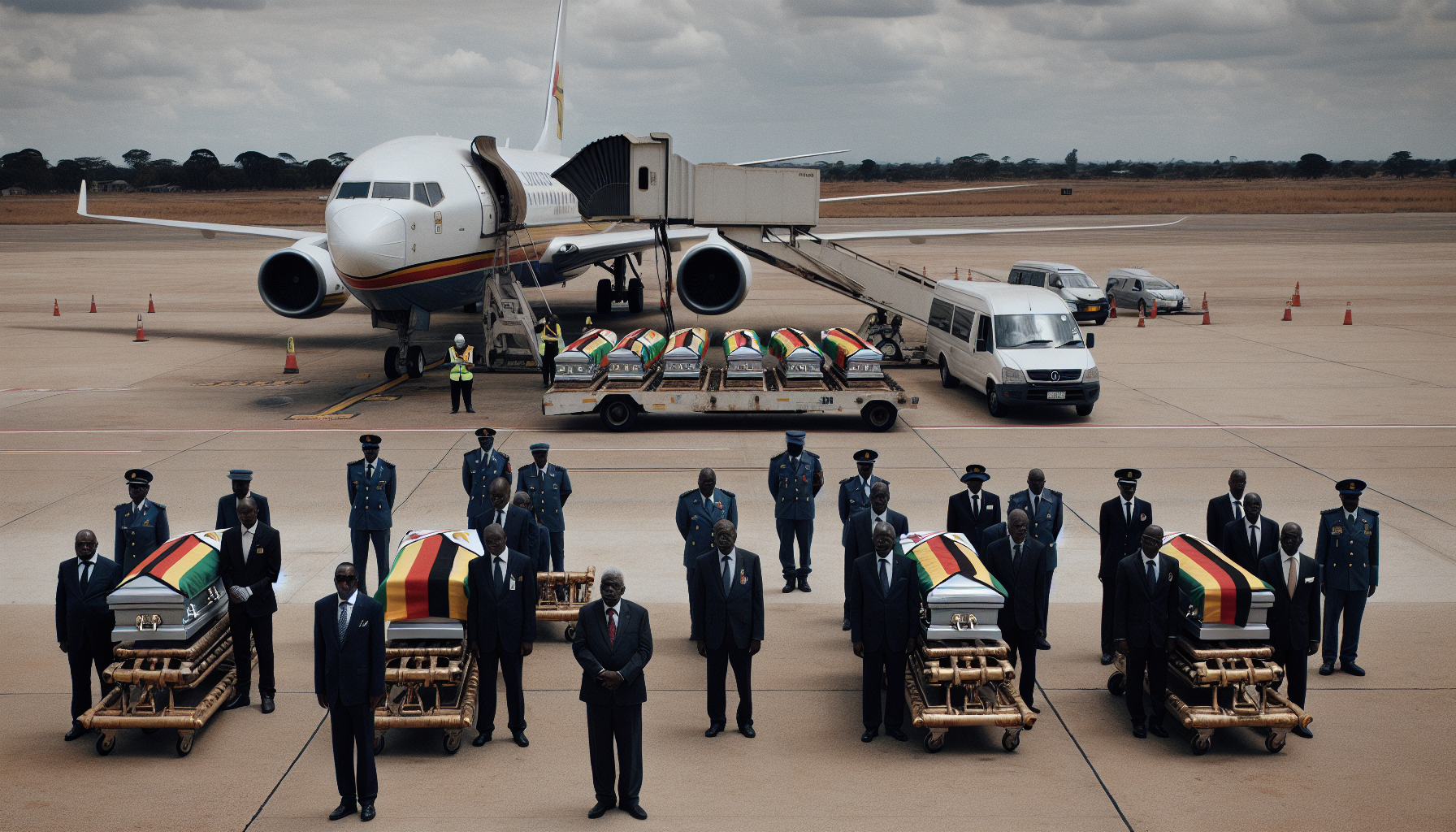
Zimbabwean authorities have confirmed that 15 of their nationals were killed after being recruited to fight alongside Russian forces. The government is actively communicating with Russian officials to facilitate the return of the deceased and to ensure the safe repatriation of those still alive. This development highlights the complex international dynamics involving foreign fighters in the ongoing conflict.
Notably, Zimbabwe’s engagement with Russia underscores the broader geopolitical implications of foreign recruitment in conflict zones. The presence of Zimbabwean nationals in the conflict raises questions about recruitment practices and the risks faced by individuals drawn into foreign wars. Meanwhile, the families of the deceased await news and support from their government amid growing concerns over the welfare of their loved ones.
In a significant development, this situation may impact Zimbabwe’s diplomatic relations with Russia and influence future policies on the involvement of its citizens in overseas conflicts. The government’s efforts to repatriate bodies and survivors reflect a commitment to protecting its nationals and addressing the humanitarian consequences of international warfare. This case also draws attention to the global challenges posed by mercenary recruitment and the human cost of geopolitical struggles.
