

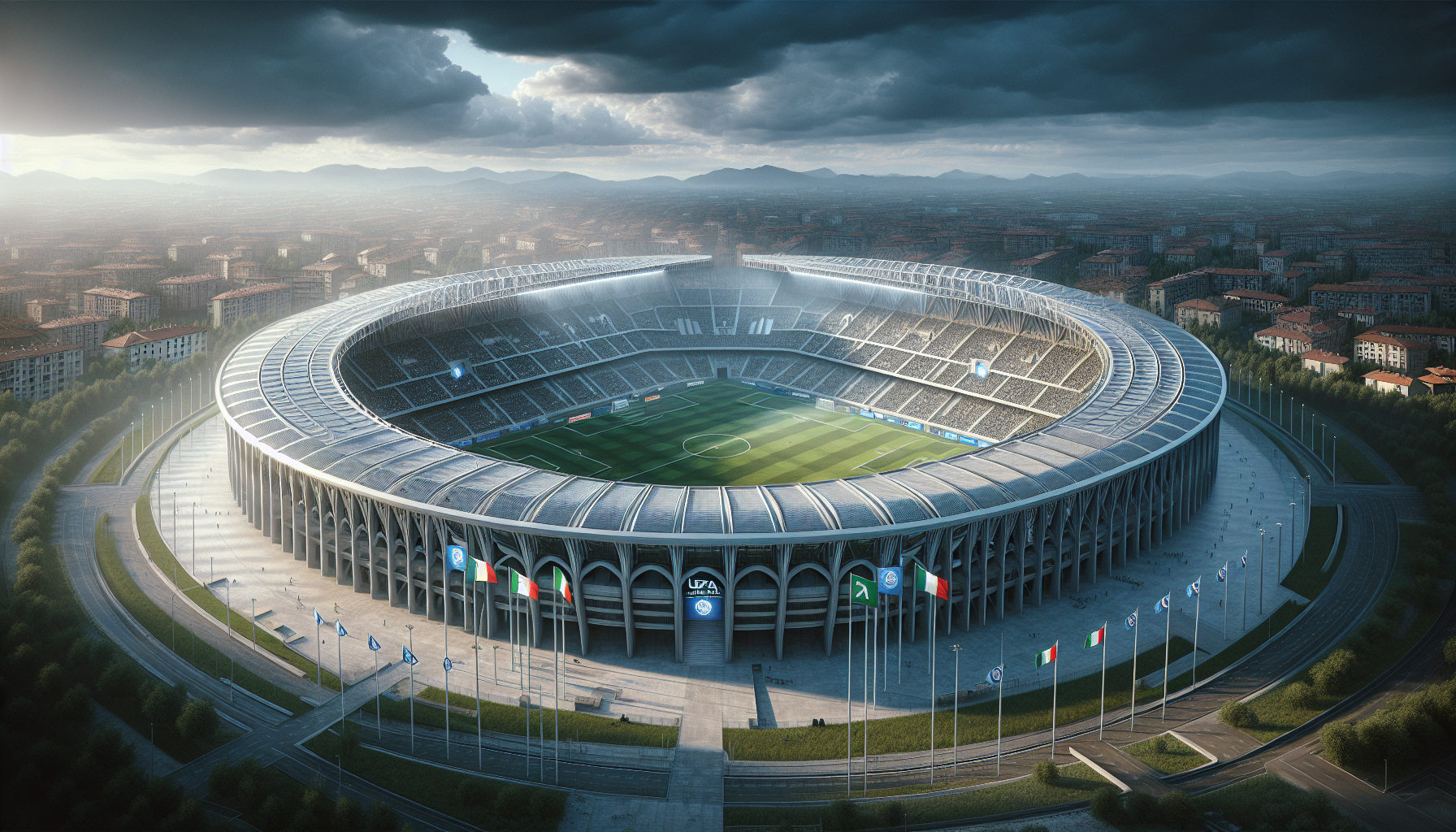
Italy’s recent failure to secure a place in the 2026 FIFA World Cup has sent shockwaves through the nation’s football community. This unexpected setback marks a significant decline for a country with a rich football heritage, having won four World Cups in the past. The disappointment has been compounded by UEFA’s recent warning that Italy’s position as a cohost for the Euro 2032 tournament may now be at risk. This development raises questions about the country’s ability to meet the organizational and competitive standards expected by European football’s governing body.
UEFA’s cautionary stance comes at a time when Italy is grappling with the consequences of its underperformance on the international stage. Hosting a major tournament like Euro 2032 would have been a prestigious opportunity to showcase Italian football and infrastructure, potentially boosting the sport’s popularity and economic benefits domestically. Meanwhile, the uncertainty surrounding the hosting rights could affect long-term planning and investments in stadiums and facilities. It also reflects UEFA’s increasing emphasis on ensuring that host nations demonstrate both sporting excellence and organizational competence.
In a broader context, Italy’s football crisis highlights the challenges faced by historically dominant teams in maintaining their status amid evolving competition. The potential loss of Euro 2032 hosting duties could have lasting repercussions on the country’s football development programs and international reputation. As UEFA deliberates on the final arrangements, Italy must address both its on-field performance and off-field preparations to secure its place in European football’s future. The coming months will be critical for Italian football authorities to restore confidence and reaffirm their commitment to the sport at the highest level.
