

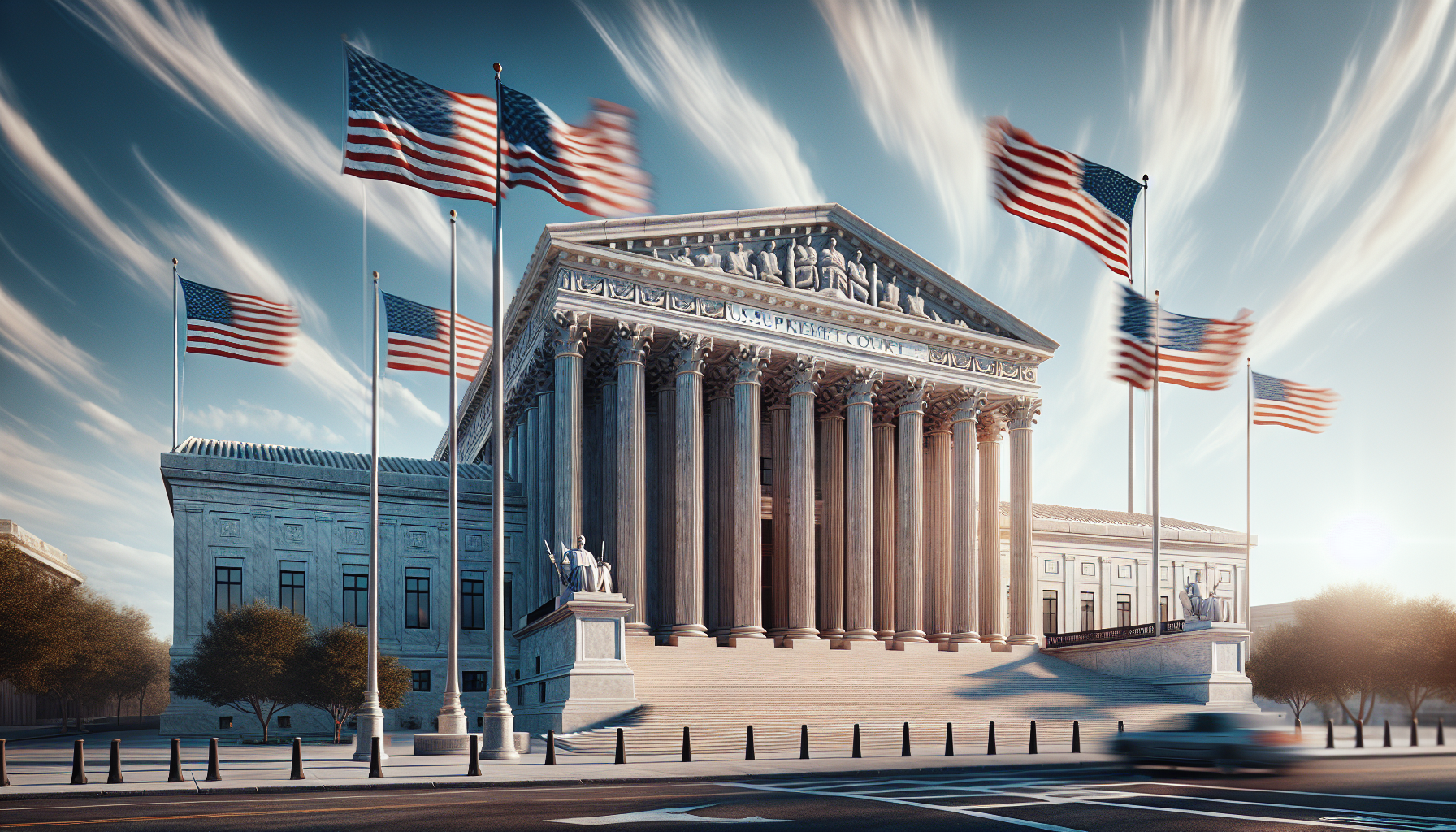
The US Supreme Court has begun hearing arguments in a pivotal case that challenges the long-standing practice of granting automatic citizenship to children born in the United States. This legal review could potentially alter the interpretation of the 14th Amendment, which has guaranteed birthright citizenship for over a century. The case has sparked intense debate about immigration policy and constitutional rights, highlighting the tensions surrounding national identity and legal protections for newborns.
Historically, the principle of jus soli, or right of the soil, has ensured that anyone born on US territory is granted citizenship regardless of their parents’ immigration status. This doctrine has been a cornerstone of American immigration law since the 19th century, serving as a safeguard for children born to undocumented immigrants and others. However, opponents argue that this policy encourages illegal immigration and undermines national sovereignty, prompting calls for reform.
In a significant development, the Supreme Court’s decision could have far-reaching consequences for millions of people, potentially redefining who qualifies as a US citizen from birth. The ruling may influence future immigration legislation and affect the social and political landscape of the country. Meanwhile, advocates for birthright citizenship emphasize its importance in protecting children’s rights and maintaining America’s inclusive values.
