

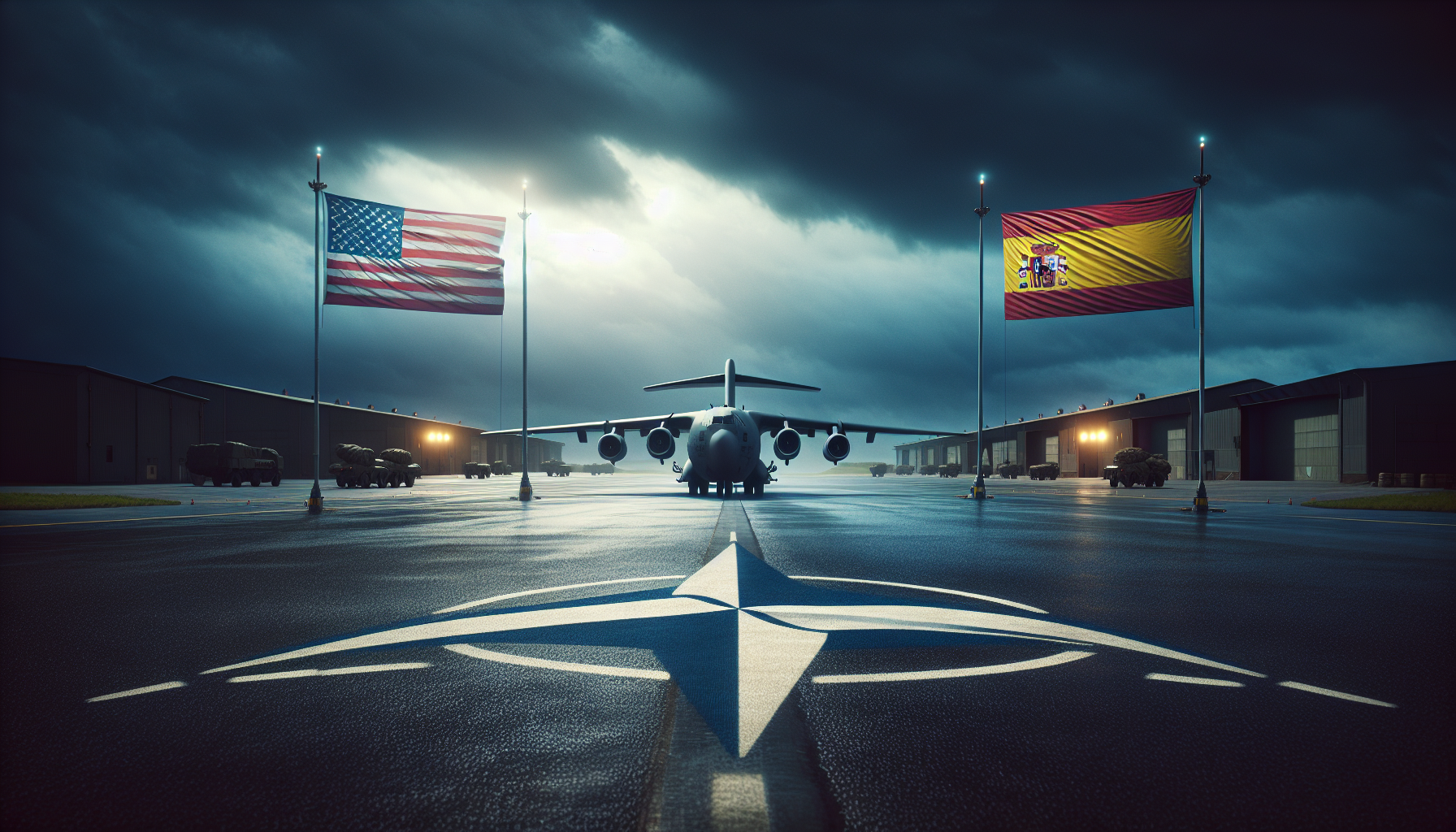
Senator Marco Rubio has voiced strong dissatisfaction following the decision by NATO members, notably Spain, to refuse the United States permission to utilize their military bases for operations targeting Iran. This move highlights growing tensions within the alliance regarding collective defense and strategic priorities. Rubio emphasized that such refusals undermine the unity and effectiveness of NATO in addressing emerging global threats.
In a significant development, the incident has sparked calls for a thorough re-evaluation of NATO’s role and operational protocols. The alliance, originally founded for mutual defense against Soviet aggression, now faces complex challenges including managing divergent national interests among member states. Rubio’s remarks underscore concerns about the alliance’s cohesion and its ability to respond swiftly to geopolitical crises involving Iran and the broader Middle East region.
Meanwhile, the blockage by Spain and other allies could have broader implications for US foreign policy and military strategy. It raises questions about the reliability of NATO bases for American operations and may prompt Washington to seek alternative arrangements or partnerships. The situation also reflects shifting dynamics within NATO, where member countries balance their own diplomatic relations with Iran against collective security commitments.
