

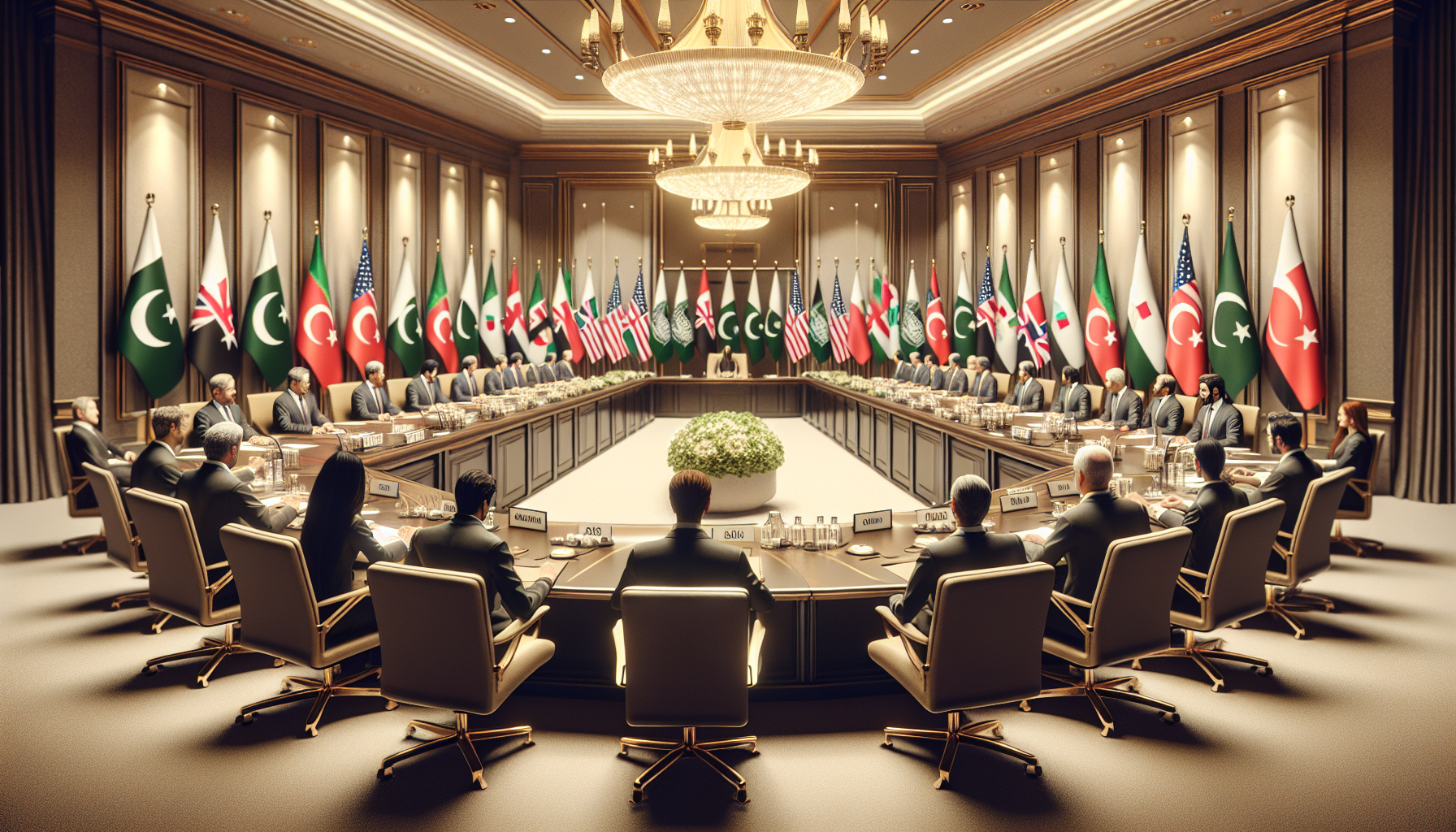
In a significant development aimed at easing tensions between the United States and Iran, Pakistan has joined forces with Saudi Arabia, Turkey, and Egypt to establish a backchannel negotiation team. This group is tasked with facilitating discreet diplomatic discussions between the two adversaries, seeking to find common ground and potentially revive stalled agreements. These efforts come at a time when direct communication between Washington and Tehran remains limited, underscoring the importance of regional intermediaries in conflict resolution.
Meanwhile, former US President Donald Trump expressed confidence about the possibility of reaching a new deal with Iran, highlighting the ongoing international focus on diplomatic solutions. The involvement of Pakistan and its regional partners reflects a strategic attempt to leverage their geopolitical influence to mediate and de-escalate the longstanding conflict. Such backchannel diplomacy often plays a critical role in breaking deadlocks that formal negotiations cannot resolve.
The formation of this team could have far-reaching implications for regional stability and global security, as the US-Iran rivalry impacts energy markets, security alliances, and international relations. If successful, these talks might pave the way for renewed agreements on nuclear activities and sanctions relief, potentially reducing the risk of military confrontations. The initiative also signals a growing willingness among Middle Eastern and South Asian countries to actively participate in shaping diplomatic outcomes beyond their borders.
