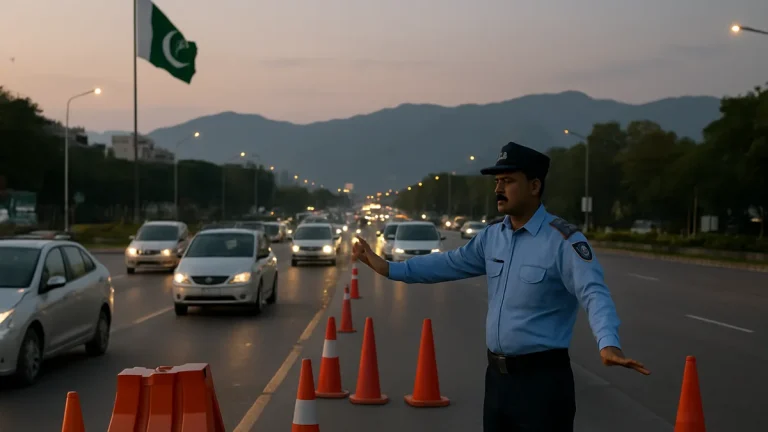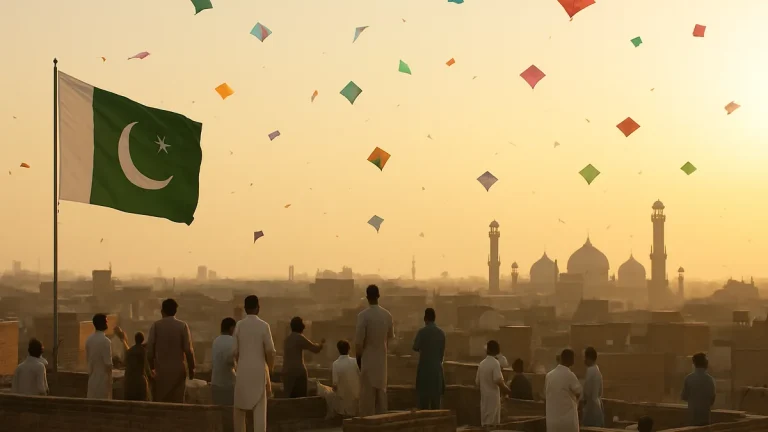
Today, Pakistanis across the nation are joyfully celebrating Eid-ul-Fitr, marking the end of the holy month of Ramadan with a deep sense of religious devotion and communal harmony. The festivities are highlighted by special congregational prayers held in mosques, Eidgahs, and open grounds, where religious scholars emphasize the significance of unity and peace, especially given the current unrest in the Middle East. This annual festival not only brings families and communities together but also serves as a reminder of the values of compassion and charity that Ramadan instills.
The day begins early in the morning as people gather in large numbers to perform the Eid prayers, which are considered a vital part of the celebration. The atmosphere is filled with joy as families don new clothes, visit relatives and friends, and exchange heartfelt greetings of “Eid Mubarak.” Children eagerly receive Eidi, a traditional gift of money, symbolizing blessings and goodwill. Alongside these rituals, households prepare an array of special dishes and sweets, adding to the festive spirit that permeates every corner of the country.
Charity continues to play a central role during Eid, with many individuals and families giving Zakat ul Fitr to support those less fortunate. This act of generosity reinforces the communal bonds and ensures that everyone can partake in the celebrations. In addition to these traditional practices, special prayers are being offered for Pakistan’s continued progress, prosperity, and the unity of the global Muslim community, known as the Ummah.
President Asif Ali Zardari addressed the nation on this auspicious occasion, describing Eid as a reward for the patience, devotion, and sacrifices made throughout Ramadan. He highlighted that the festival teaches essential values such as piety, self-reflection, and moral integrity. The president further stressed that true success comes from applying the lessons of Ramadan—patience, tolerance, compassion, and justice—in everyday life. He also called for strengthening national unity, upholding constitutional supremacy, and ensuring the rule of law, emphasizing that Pakistan’s development and stability depend on collective responsibility and harmony among its people. His prayers extended beyond the country’s borders, seeking peace in the region and solidarity among Muslims worldwide.
Similarly, Prime Minister Shehbaz Sharif conveyed his warm Eid greetings to the nation, describing the day as a manifestation of Allah’s mercy and blessings. He urged citizens to foster harmony, unity, and a spirit of service toward humanity. The prime minister underscored the importance of sharing joy with the underprivileged and enhancing social responsibility during this time. Expressing concern for those affected by conflicts, particularly in Gaza, he reminded the Muslim world of the urgent need for unity and collective efforts to achieve peace and justice.
Meanwhile, the leadership of Pakistan’s armed forces, including Chief of Army Staff Asim Munir, Naval Chief Naveed Ashraf, and Air Chief Zaheer Ahmed Baber Sidhu, extended their heartfelt Eid wishes. They highlighted that Eid embodies the values of unity, sacrifice, and gratitude. Paying tribute to the sacrifices made by security personnel who continue to protect the nation, they expressed hope that this Eid would usher in an era of peace, prosperity, and stability for Pakistan and the wider Muslim Ummah. They also acknowledged the unwavering support of the families of those serving in the armed forces, recognizing their vital role in the country’s security and resilience.