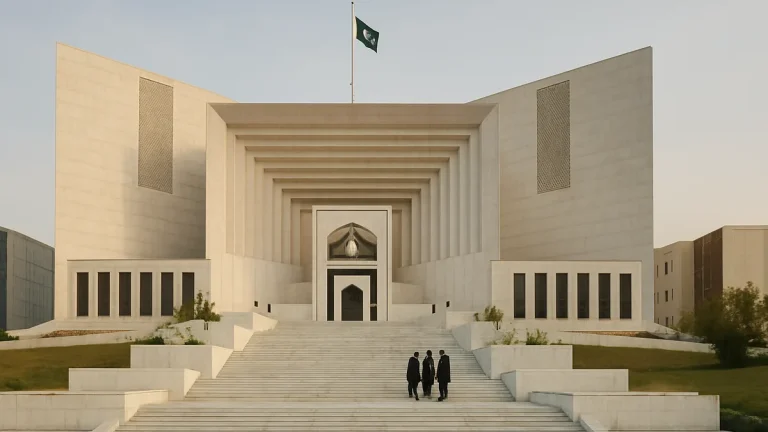
Islamabad witnessed a significant gathering on Wednesday as parliamentary party leaders convened under the leadership of Prime Minister Muhammad Shehbaz Sharif. The meeting focused on the pressing need for national cohesion and collective resolve during a period marked by considerable geopolitical uncertainty. The Prime Minister underscored the importance of solidarity among political factions to navigate the complex challenges facing Pakistan and the broader region.
During the session, participants received a confidential briefing that covered a range of critical issues, including the evolving situation along the Pakistan–Afghanistan border, recent developments involving Iran, and the ongoing conflicts engulfing the Middle East and Gulf areas. These discussions highlighted Pakistan’s active diplomatic engagements aimed at fostering regional stability and peace. The detailed overview provided a comprehensive understanding of the multifaceted threats and opportunities confronting the country.
Political leaders from various parties openly shared their perspectives, reflecting a rare moment of bipartisan consensus. They collectively commended Pakistan’s diplomatic initiatives, recognizing the government’s efforts to promote dialogue and reduce tensions in the volatile neighborhood. Many stressed that these endeavors must be intensified and supported by all stakeholders to safeguard Pakistan’s interests and contribute to lasting peace in the region.
In addition to expressing support for ongoing diplomatic measures, the leaders proposed several strategic recommendations concerning Pakistan’s future foreign policy and internal security framework. A unanimous commitment emerged to eradicate terrorism within the country, reaffirming the shared determination to protect national sovereignty and public safety. The parliamentary representatives also expressed gratitude towards Prime Minister Shehbaz Sharif for his inclusive approach, which involves consulting diverse political voices on matters of national importance.
Meanwhile, the regional situation remains highly volatile. The conflict between the US-Israeli coalition and Iran has intensified, entering its fifth consecutive day following the assassination of Iran’s supreme leader, Ali Khamenei. This development has further destabilized an already fragile Middle East landscape. Lebanese state media reported that Israeli forces have advanced into the southern Lebanese town of Khiam, located approximately six kilometers from the Lebanon-Israel border. The town has been subjected to relentless artillery bombardment as Israeli troops have penetrated its perimeter.
Additional reports from a Lebanese military source confirmed that Israel launched a ground incursion into the border region of southern Lebanon, complementing ongoing airstrikes. This escalation raises concerns about a potential widening of the conflict, which could have serious repercussions for regional security and Pakistan’s diplomatic balancing act. The situation underscores the urgency of the parliamentary leaders’ call for unity and strategic foresight in addressing both domestic and international challenges.