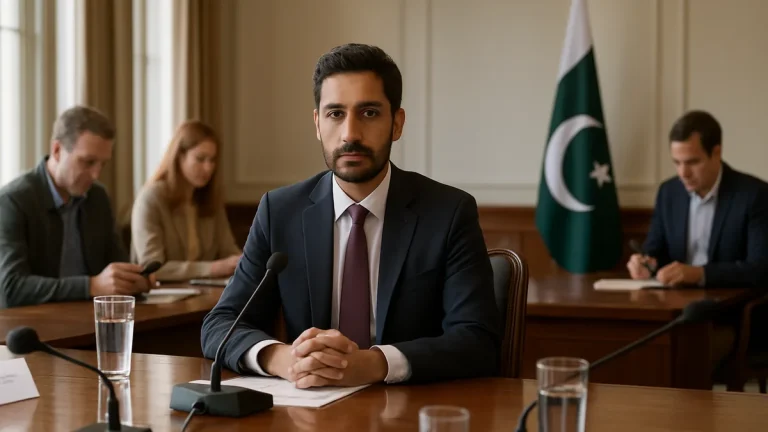
Deputy Prime Minister and Foreign Minister Ishaq Dar has reaffirmed Pakistan’s steadfast support for Iran during a critical period of heightened regional tensions. Speaking in the Senate, Dar emphasized that Pakistan’s position remains clear and unwavering, urging that the issue should not be misrepresented or politicized within the country. He highlighted the government’s continuous efforts to encourage dialogue and peaceful resolution between the involved parties.
Dar recalled that Pakistan was among the first nations to respond to the escalating situation, issuing an official statement on February 28. He further addressed the tragic news surrounding the martyrdom of Ayatollah Ali Khamenei, underscoring the deep sorrow expressed by Prime Minister Shehbaz Sharif through a formal condolence message. This development, Dar noted, has added complexity to an already fragile regional environment.
Reflecting on past incidents, the Deputy Prime Minister pointed out that Pakistan had previously attempted to de-escalate tensions when Iran faced attacks in June. Following the most recent assault on Iranian territory, Islamabad once again engaged in discreet diplomatic channels to help mediate and calm the situation. He credited Prime Minister Shehbaz Sharif and Field Marshal Asim Munir for their proactive and constructive roles in these efforts, demonstrating Pakistan’s commitment to regional stability.
Dar cautioned against any domestic attempts to distort the narrative surrounding Pakistan’s stance, emphasizing that Iran is fully aware of the country’s behind-the-scenes diplomatic initiatives. Despite some progress in negotiations, the recent attack on Iran was a setback, he acknowledged. The Deputy Prime Minister also reiterated Iran’s prior commitment to abstain from pursuing nuclear weapons, framing the killing of Ayatollah Khamenei as a clear violation of international law and a serious blow to peace efforts.
Over the past several days, Pakistan has maintained active communication with multiple countries in the region and beyond, striving to revive diplomacy as the primary tool for resolving conflicts. Ishaq Dar stressed the importance of dialogue and mutual understanding as the only viable path forward to ensure long-term peace and security. These diplomatic endeavors reflect Pakistan’s broader foreign policy approach of promoting stability and cooperation in a volatile neighborhood.