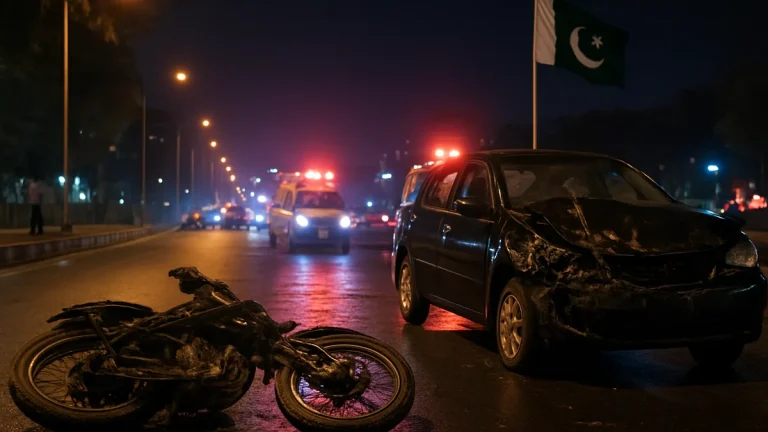
The Punjab government has embarked on a significant security enhancement initiative by deciding to implement electronic tagging (e-tagging) on all vehicles across the province, including motorcycles. This move aims to bolster the monitoring and tracking capabilities of law enforcement agencies, ensuring a more robust and permanent security framework. The decision was finalized during a high-level law and order meeting led by Punjab Chief Minister Maryam Nawaz Sharif, reflecting the administration’s commitment to addressing the evolving security challenges faced by the province.
During this crucial meeting, several pivotal security measures were greenlit to strengthen the province’s defense against criminal activities and terrorism. One of the landmark approvals was the mandatory installation of e-tags on all vehicles, a step designed to enhance real-time surveillance and facilitate swift identification of vehicles involved in unlawful activities. This initiative is expected to close existing loopholes in vehicle tracking and significantly aid police operations.
In addition to vehicle monitoring, the Chief Minister sanctioned the creation of a dedicated Punjab Cyber Crime Investigation Unit. This specialized cell will focus on combating the rising tide of cyber-related offenses, with a particular emphasis on protecting women and young girls who are often vulnerable to online exploitation and harassment. The unit will be headed by a newly appointed chief, and district-level Online Crime Centers will be established to ensure widespread accessibility and prompt response to cybercrime incidents throughout the province.
Further directives were issued to tighten security measures at provincial entry points, especially unconventional routes that have previously been exploited by criminal elements. The government approved the installation of searchlights and the deployment of drone surveillance technology at these critical junctures. Additionally, authorities were instructed to implement rooftop security monitoring at various check posts, enhancing the overall vigilance and deterrence capabilities of security personnel.
Chief Minister Maryam Nawaz also emphasized the urgent procurement of advanced drone defense systems to regulate and counter unauthorized drone activities. She underscored the importance of continuous combing operations aimed at identifying and apprehending criminals and terrorists operating within the province. The meeting further reviewed the training programs and equipment upgrades for the Punjab Rangers’ Anti-Riots Force, ensuring they are well-prepared for effective crowd control and rapid response during emergencies.
In preparation for the upcoming Youm-e-Hazrat Ali (AS) commemorations, the government agreed to develop comprehensive security standard operating procedures (SOPs) in collaboration with religious scholars. This cooperation highlights the administration’s recognition of the role religious leaders play in maintaining peace and order during sensitive events. The Chief Minister praised the efforts of Provincial Minister Khawaja Salman Rafique and the Lahore Police for their prompt and efficient handling of recent security challenges in Lahore and other parts of Punjab.
Maryam Nawaz Sharif stressed the critical need for unified and proactive measures to eradicate terrorism from the province. She expressed concern over the recent incident where a suicide attacker managed to infiltrate Punjab through a checkpoint, describing it as a stark reminder that complacency cannot be tolerated. Highlighting the changing dynamics of modern warfare, she called for heightened preparedness and continued support from religious scholars to sustain peace and security across Punjab.