On Monday, Israel escalated its military operations by launching fresh air strikes not only against Iranian targets but also extending its campaign to Hezbollah positions in Lebanon. This development marks a significant widening of the conflict that has been intensifying since the recent US-Israeli attacks on Iran. The expansion comes as US President Donald Trump indicated that the joint military efforts against Iranian interests could persist for several more weeks, signaling a prolonged period of heightened regional instability.
The Israeli Defense Forces (IDF) confirmed that their latest strikes focused on locations linked to Hezbollah, the Lebanese militant group allied with Iran. This action followed Hezbollah’s admission of launching missiles and drones toward Israeli territory, which they claimed was retaliation for the killing of Iran’s Supreme Leader, Ali Khamenei. The IDF also reported intercepting a projectile fired from Lebanon, while other missiles landed in unpopulated areas within Israeli borders, minimizing casualties but escalating tensions nonetheless.
In a dramatic show of force, Israeli air raids targeted the southern suburbs of Beirut, an area under Hezbollah’s control. The Lebanese capital was shaken by more than a dozen explosions, causing widespread panic among residents. Many fled their homes on foot and by car, leading to severe traffic congestion as the strikes began shortly after 2:40 a.m. local time (0040 GMT). The sudden bombardment disrupted the fragile calm that had been maintained since a US-mediated ceasefire was agreed upon earlier this year, following over a year of intense conflict that had left Hezbollah significantly weakened.
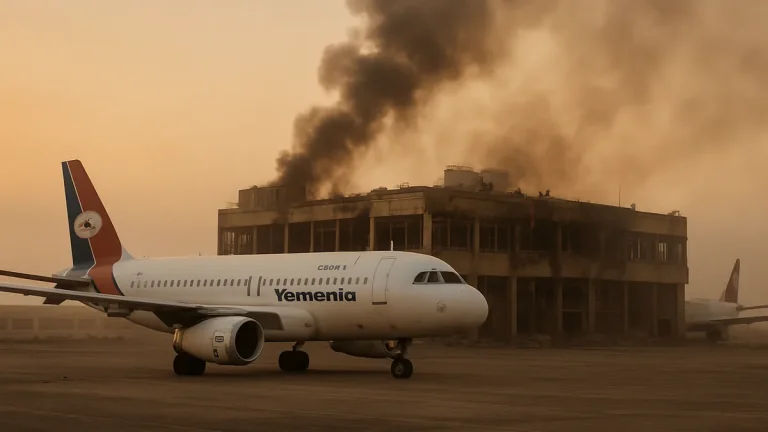
The ongoing tit-for-tat exchanges between Hezbollah and Israel have further complicated the already volatile situation in the Middle East. The conflict, which initially centered on US and Israeli attacks on Iran, has now spread geographically and politically, affecting neighboring countries and global markets. The surge in hostilities has caused oil prices to spike and created widespread disruptions in international air travel, underscoring the far-reaching consequences of the regional instability.
Lebanon’s presidency reiterated on Saturday that the US ambassador had assured them Israel would refrain from escalating military actions against Lebanon, provided there were no aggressive moves from Lebanese factions. Despite this, the Israeli military placed full responsibility for any further escalation on Hezbollah and issued evacuation warnings to residents in dozens of villages located in southern and eastern Lebanon, highlighting the seriousness of the threat perceived by Israel.
Meanwhile, the Israeli Air Force claimed to have achieved aerial dominance over Tehran, conducting a series of strikes targeting key intelligence, security, and military command centers across the Iranian capital. This strategic move aims to cripple Iran’s operational capabilities and deter further retaliatory attacks. In response, Iran announced a temporary leadership council, including President Masoud Pezeshkian, the judiciary chief, and a Guardian Council member, to assume the duties of the Supreme Leader, signaling a critical moment in the country’s political hierarchy amid the crisis.
As the conflict intensified late Sunday night, air raid sirens blared across Israel, including in Tel Aviv, where residents witnessed missiles streaking across the sky. These new barrages from Iran underscored the escalating nature of the confrontation and the potential for further widespread violence. The situation remains highly fluid, with the risk of broader regional involvement increasing as both sides prepare for what could be an extended period of military engagement.