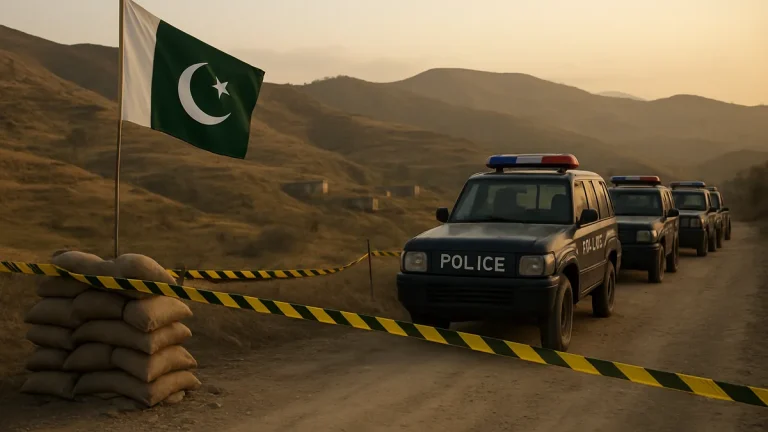
ISLAMABAD: Pakistan has intensified its ongoing military campaign against Afghan Taliban positions along the Pakistan-Afghanistan border, following what Islamabad describes as unprovoked attacks originating from across the frontier. The operation, which the military has named “Operation Ghazab lil-Haq,” continues to target militant strongholds with the aim of neutralizing threats and securing the border region.
The military launched this significant offensive in response to a series of hostile actions by Taliban elements, which Pakistan views as direct aggression against its sovereignty. Pakistani security forces have reportedly executed a robust and coordinated counterattack, inflicting substantial damage on Taliban infrastructure and personnel. This marks a notable escalation in military activity along the often volatile border area.
statements released by the Inter-Services Public Relations (ISPR), the military’s media wing, the operation has resulted in the deaths of at least 274 Afghan Taliban fighters. In addition to the loss of life, Pakistani forces have destroyed a considerable number of Taliban assets, including 150 tanks, armored vehicles, artillery units, and 73 border posts that were being used as strategic outposts by the militants. These figures highlight the scale and intensity of the ongoing conflict.
Security officials have confirmed that several key Taliban positions have been targeted and dismantled during the operation. Among the notable sites struck were the Ariana Complex, the Dabgai check post, a police headquarters facility, and the Zakarkhel post. These locations were reportedly critical for Taliban control and coordination in the border region. The sustained Pakistani military pressure has forced Taliban fighters to retreat from multiple positions, weakening their hold on these areas.
Military sources emphasize that “Operation Ghazab lil-Haq” remains active and will persist until all its strategic objectives are fully met. The operation reflects Pakistan’s determination to curb cross-border militancy and prevent further attacks on its territory. Islamabad has repeatedly accused the Afghan Taliban government of providing support to militant groups responsible for violence inside Pakistan, a claim that Kabul has consistently denied, leading to heightened tensions between the two neighbors.
This latest surge in military action represents one of the most serious escalations in the Pakistan-Afghanistan border conflict in recent months. The situation underscores the fragile security environment in the region and the ongoing challenges both countries face in managing militant activities along their shared frontier. As the operation continues, the international community watches closely, aware of the potential implications for regional stability.