

A local court in Dadu acquitted all eight accused in the widely followed triple murder case involving the family members of Umme Rubab Chandio on Monday, concluding a trial that lasted seven years. The Model Criminal Court had reserved its verdict on February 27 after conducting approximately 400 hearings over the years in this high-profile case.
The case centers on the killing of Umme Rubab’s father, grandfather, and uncle, allegedly orchestrated by influential figures in Mehar. The murders were reportedly linked to the family’s efforts to establish a Tamandar Council, challenging the entrenched tribal chieftain system. Among the accused were prominent individuals, including Sindh Assembly members Sardar Ahmed Chandio and Burhan Khan Chandio, as well as former SHO Karim Bux Chandio. Four of the accused were in custody during the trial, while the remaining four were out on bail.
The trial concluded after witness testimonies were recorded and final arguments presented in the previous hearing. This case attracted national attention when Umme Rubab protested by climbing atop the vehicle of then Chief Justice of Pakistan, Justice Saqib Nisar, highlighting her frustration over perceived delays and lack of justice.
In 2020, a Sindh Police investigation led by officer Pir Muhammad Shah cleared Sardar Chandio and Burhan Khan Chandio due to insufficient evidence. The case had been transferred multiple times between various courts, including the Anti-Terrorism Courts in Naushahro Feroze, Sukkur, Mirpur Mathelo, and finally the Sessions Court in Dadu.
Following the verdict, Umme Rubab addressed the media outside the court, stating that while the decision came from a state court, the public already knew the truth. She asserted that her side had won in the court of public opinion and emphasized that “all fingers are not equal.” She also announced plans to challenge the verdict in the High Court and Supreme Court.
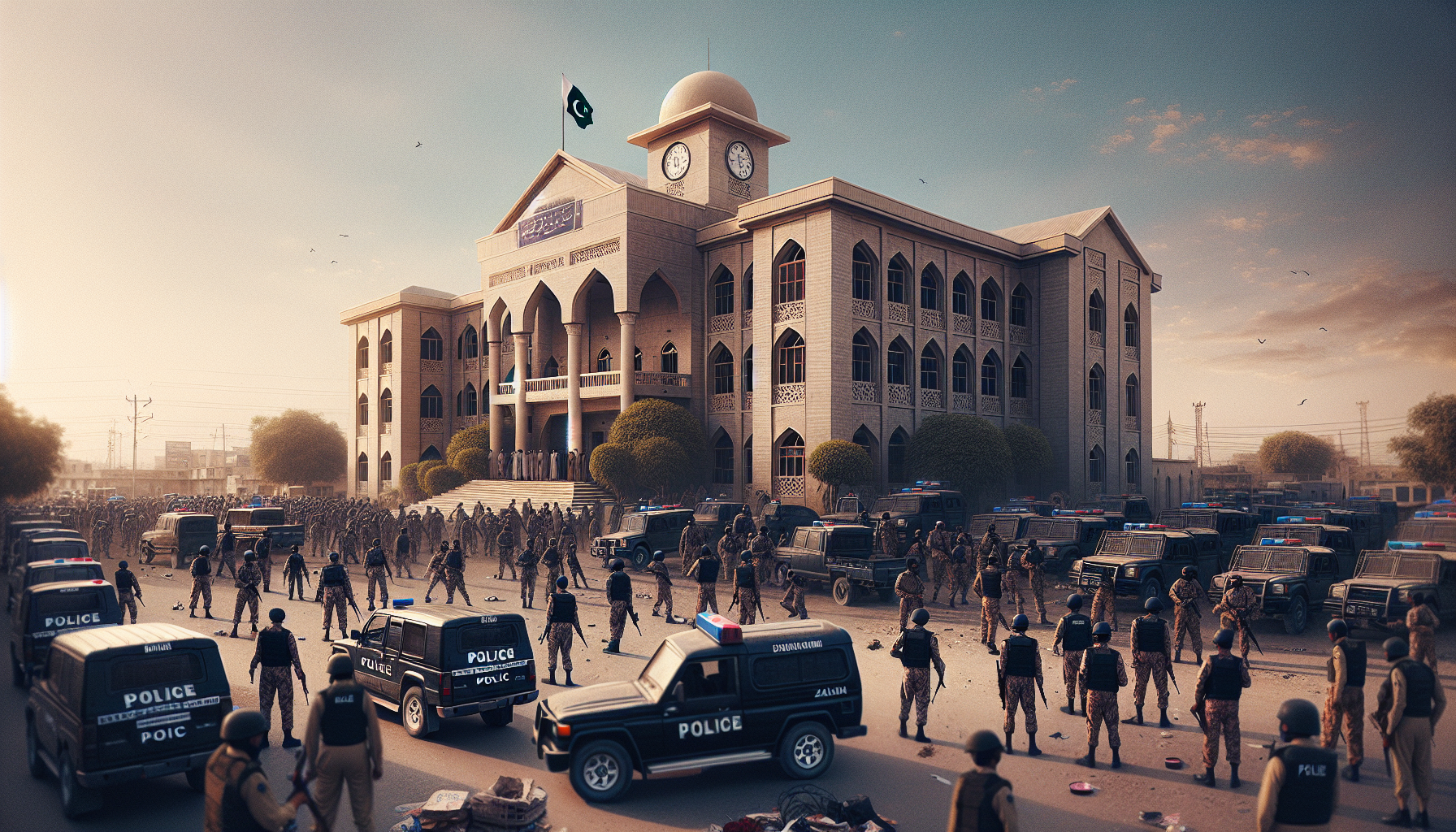
Given the sensitive nature of the case, extensive security measures were implemented ahead of the verdict. Dadu Superintendent of Police Saddam Hussain Khaskheli confirmed that Section 144 was imposed across the district, banning gatherings of more than five people during court proceedings. Heavy security was deployed around the Judicial Complex and on all access routes to prevent disruptions, with citizens advised to use alternative routes.
More than 450 security personnel, including deputy superintendents of police, station house officers, and lady police officers, were assigned to maintain order. Over 40 DSPs and SHOs supervised the arrangements. Additionally, rescue teams, fire brigade units, and special search teams were placed on high alert. Temporary checkpoints were established on the Indus Highway for snap inspections as part of the security plan.
Weapons were strictly prohibited inside the court premises during the hearing, and public supporters were barred from entering the court compound. Security was also heightened at Umme Rubab’s residence in Mehar to prevent any untoward incidents.
