

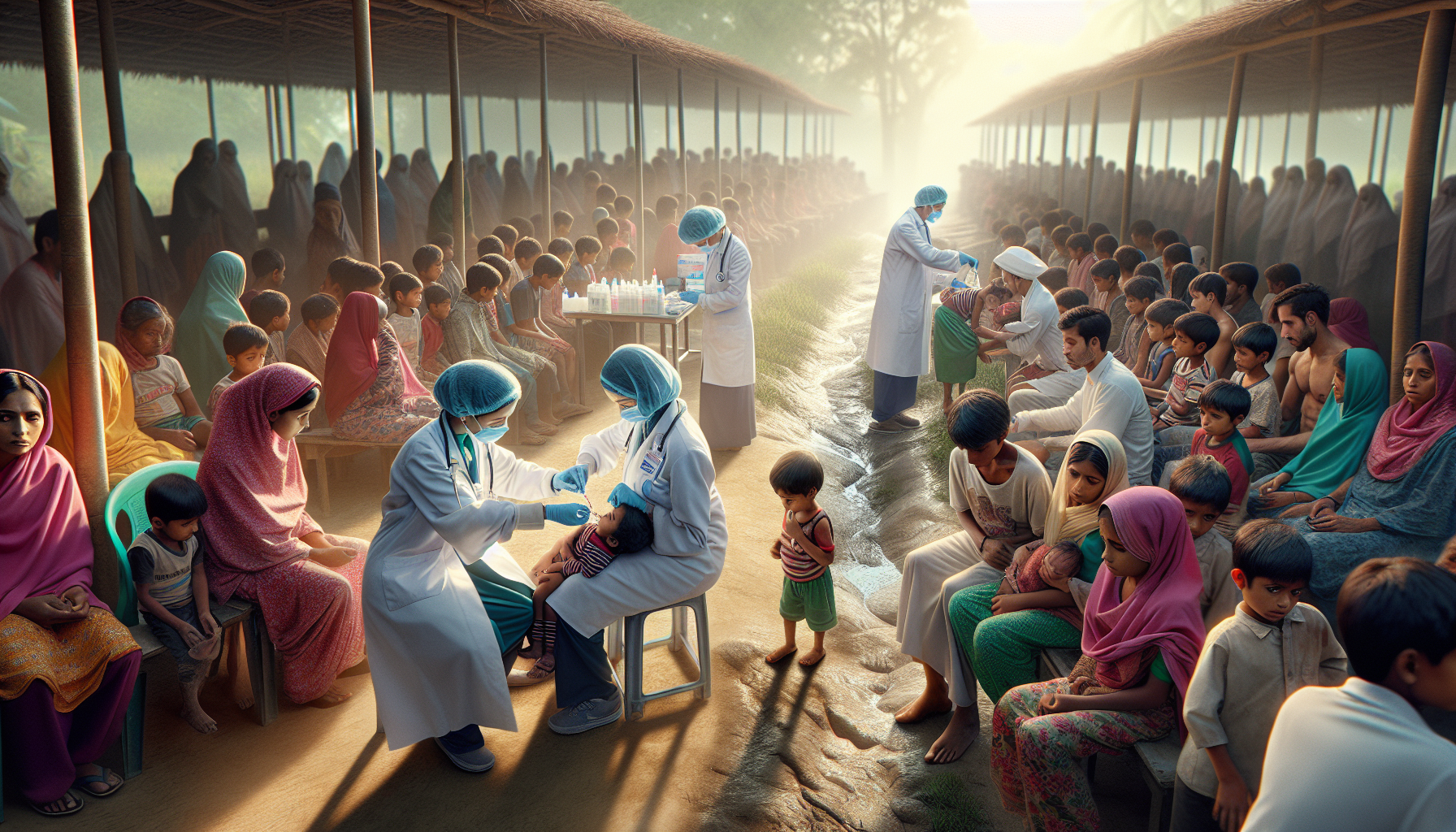
Bangladesh is currently grappling with a severe measles outbreak that has resulted in the deaths of more than 100 individuals, predominantly children, since mid-March. This alarming rise in fatalities highlights the vulnerability of the population to vaccine-preventable diseases, especially in regions with limited healthcare access. Measles, a highly contagious viral disease, can cause serious complications, particularly in young children and those with weakened immune systems.
In a significant development, health authorities are intensifying efforts to contain the outbreak through vaccination campaigns and public awareness initiatives. The resurgence of measles in Bangladesh underscores challenges such as gaps in immunization coverage and healthcare infrastructure, which can facilitate the rapid spread of infectious diseases. Meanwhile, the outbreak serves as a stark reminder of the critical importance of maintaining high vaccination rates to prevent such deadly epidemics.
The impact of this outbreak extends beyond immediate health concerns, potentially straining the country’s healthcare resources and affecting vulnerable communities disproportionately. International health organizations have often emphasized the need for sustained immunization programs to combat measles globally. As Bangladesh confronts this crisis, coordinated responses and increased funding for vaccination efforts will be essential to curb further loss of life and protect public health.
