

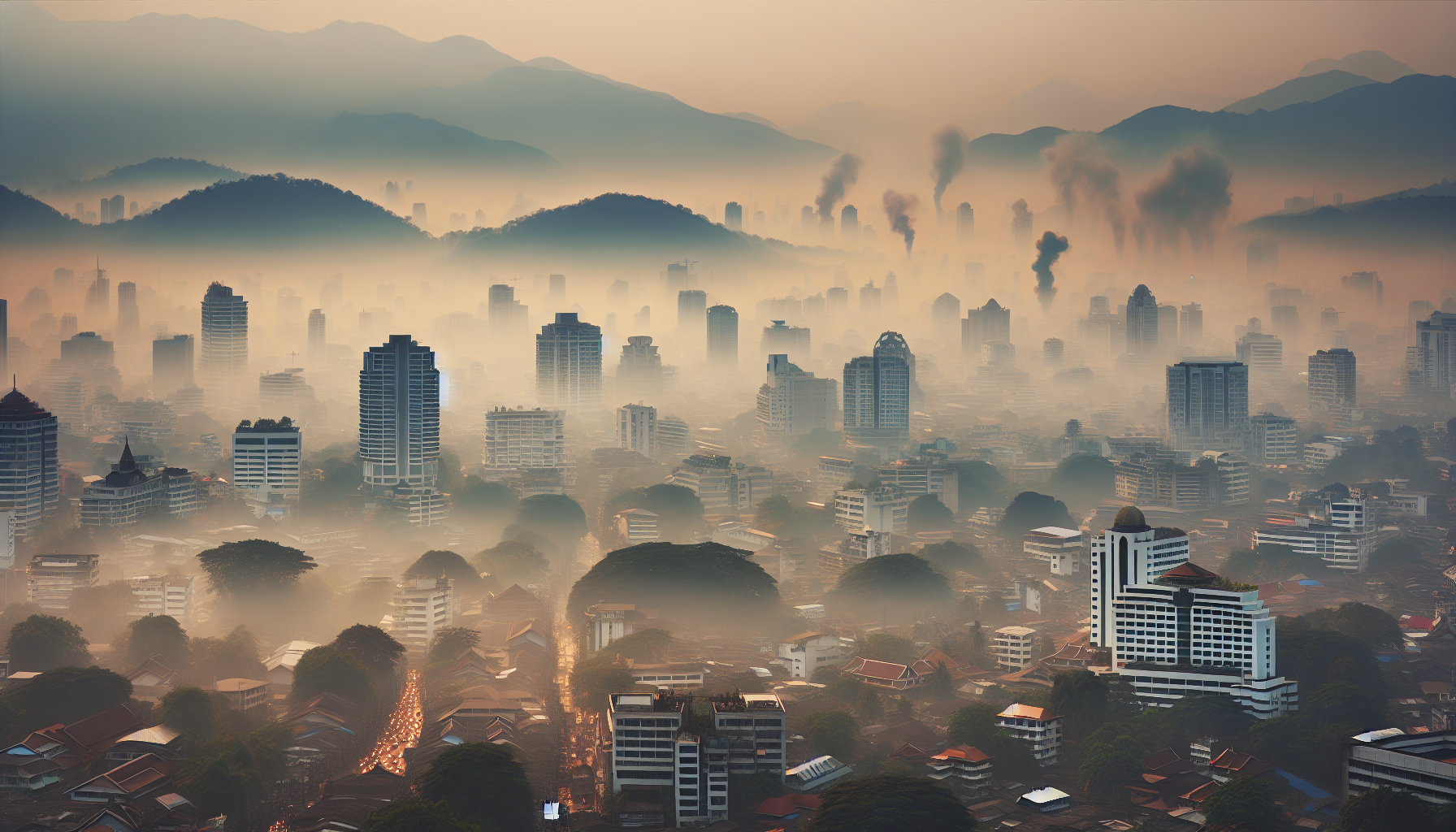
Chiang Mai, a prominent city in northern Thailand, has recently been identified as one of the most polluted urban areas globally. This alarming status is primarily due to extensive fires burning in the surrounding rural regions, which have significantly degraded air quality. The thick smog enveloping the city has led to a surge in respiratory and other health issues among its population. Notably, even young children are experiencing symptoms such as frequent nosebleeds, highlighting the severity of the crisis.
The persistent haze is a result of agricultural burning and forest fires, a recurring problem during the dry season in Southeast Asia. These fires release large amounts of particulate matter and toxic gases, which can penetrate deep into the lungs and bloodstream. Health experts warn that prolonged exposure to such polluted air can cause chronic respiratory diseases, cardiovascular problems, and exacerbate existing health conditions. The situation has prompted local authorities to issue health advisories and urge residents to minimize outdoor activities.
In a significant development, the international community and environmental organizations have called for urgent measures to address the root causes of the fires and improve air quality. The crisis in Chiang Mai underscores the broader environmental challenges faced by the region, including deforestation and climate change impacts. Efforts to implement sustainable land management and stricter regulations on burning practices are critical to preventing future episodes and protecting public health.
