

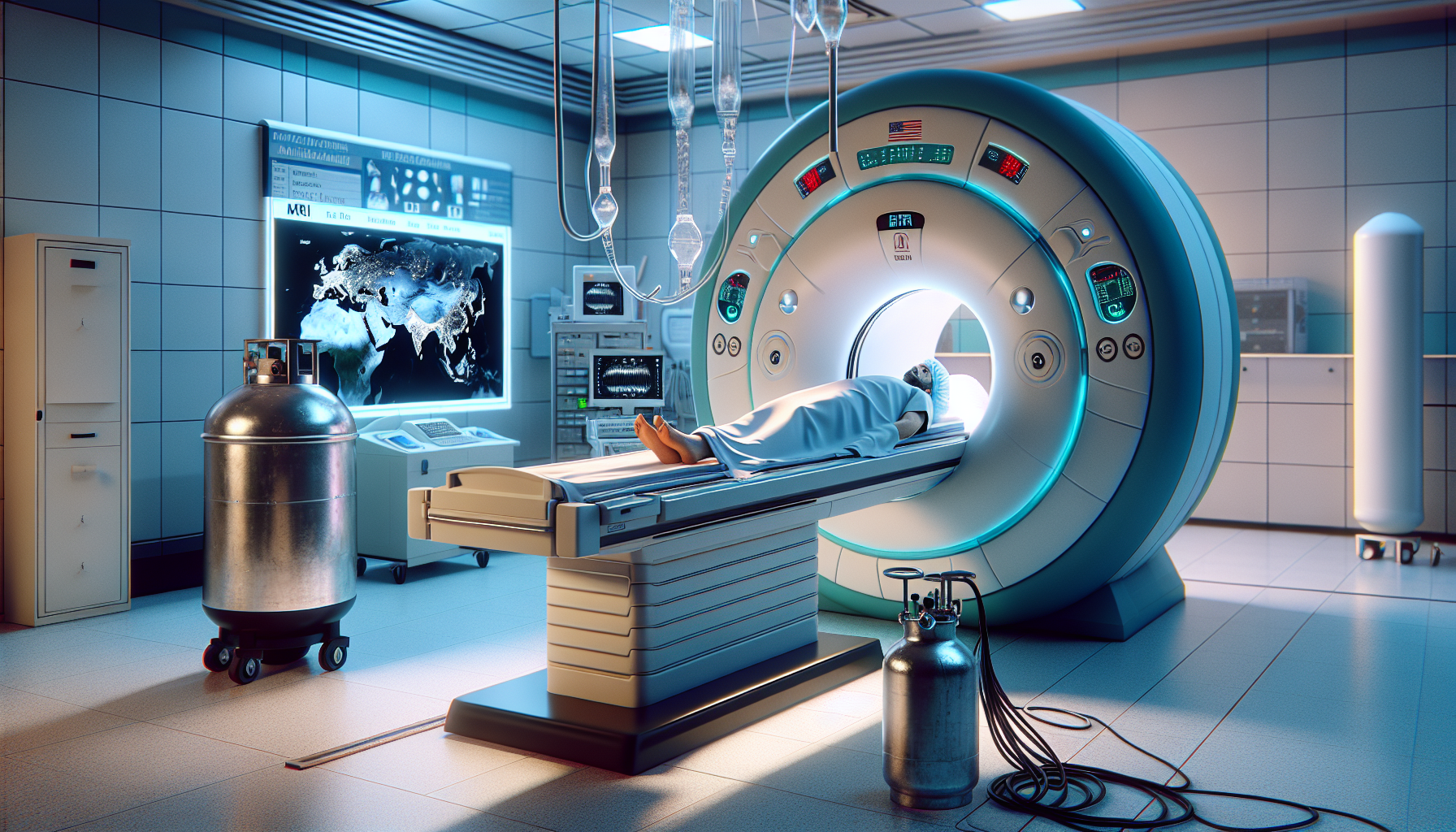
The escalating conflict involving the US and Israel against Iran is expected to disrupt the global supply of helium, a critical resource used extensively in medical imaging technologies such as MRI scanners. Helium, a rare and non-renewable gas, is essential for cooling the superconducting magnets in MRI machines, making its availability vital for timely diagnostics in healthcare. The shortage could lead to delays in medical procedures, affecting patient care and hospital operations globally.
Beyond healthcare, helium is also crucial in various industrial applications, including scientific research, electronics manufacturing, and aerospace technology. The geopolitical tensions threaten to strain supply chains further, as Iran is a significant player in the helium market, and sanctions or conflict-related disruptions could reduce exports. This situation highlights the vulnerability of critical medical and industrial sectors to international conflicts and resource dependencies.
In a significant development, stakeholders in healthcare and industry are urged to prepare for potential helium scarcity by exploring alternative sources and improving conservation efforts. The anticipated ripple effects underscore the broader implications of geopolitical conflicts on global supply networks and essential technologies. Meanwhile, the medical community faces the challenge of balancing patient needs with resource constraints amid this emerging crisis.
