

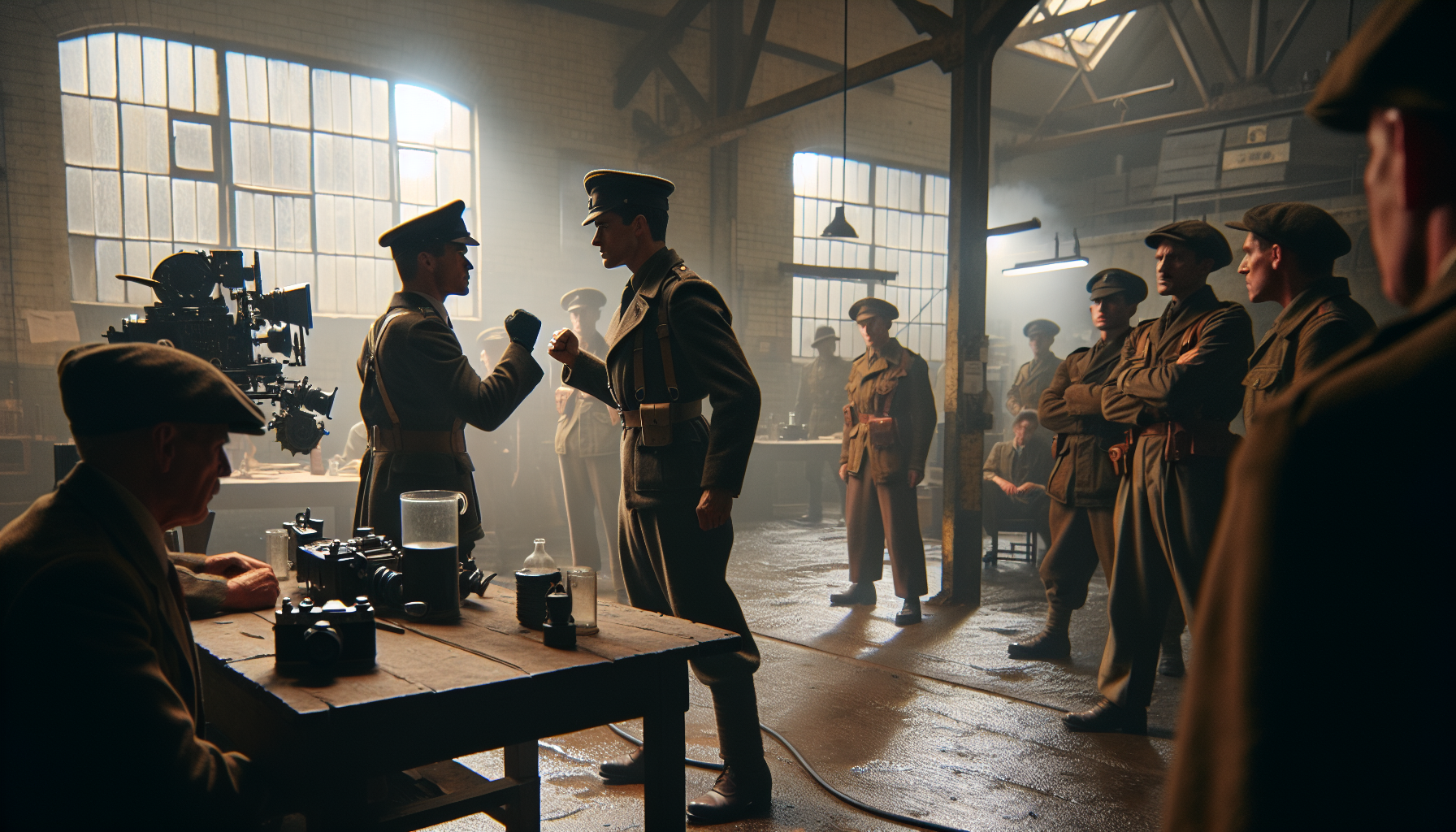
The release of the new Peaky Blinders movie, The Immortal Man, has ignited significant debate, prompting Sophie Rundle to step into the conversation. The film, which reinterprets wartime characters and concludes with the death of Tommy Shelby, has been hailed by critics and its director as a crucial chapter in the franchise.
However, the portrayal of a character named Beckett as a ruthless Nazi agent has drawn sharp criticism from Francis Beckett, biographer and son of the real John Beckett. He strongly contested the depiction, stating that the historical John Beckett bore no resemblance to the film’s villainous character, whom he described as a stereotypical killer seemingly crafted for dramatic effect. Francis Beckett emphasized that by November 1940, the actual John Beckett was imprisoned in Brixton under wartime laws suspending habeas corpus, contradicting the film’s narrative.
This discrepancy highlights a clear divergence between the movie’s fictionalized storyline and historical facts. In the film, Tommy Shelby is shown in exile as the Blitz escalates into a nationwide crisis. Beckett, portrayed as a fascist sympathizer, leads a German-backed scheme to destabilize Britain’s economy by flooding it with counterfeit currency. Tommy’s return to Birmingham is driven by the need to rescue his son, Duke, who becomes entangled in the plot.
The climax unfolds in a Liverpool warehouse where the counterfeit money is stored. Tommy kills Beckett but sustains a fatal injury. In his final moments, he requests Duke to end his life using a bullet tied to their family tradition. The film closes with Tommy’s body being cremated in a traditional Gypsy funeral wagon, marking the end of his story arc.
Francis Beckett warned that such dramatizations risk fostering misleading popular perceptions of World War II, potentially obscuring historical truths. Meanwhile, creator Steven Knight explained that focusing the ending on Duke symbolizes themes of succession and legacy. Although Tommy Shelby’s storyline concludes, the script deliberately leaves space for new characters and future seasons.
As the debate shifts from on-screen violence to questions of historical authenticity, two key developments are anticipated: scholarly critiques from those connected to the era and creative directions from the franchise as it seeks reinvention. Upcoming statements from producers and historians’ responses will be closely watched by audiences.
Amid this contentious backdrop, Sophie Rundle continues to be a significant voice in the ongoing cultural dialogue surrounding the series and its impact.
