

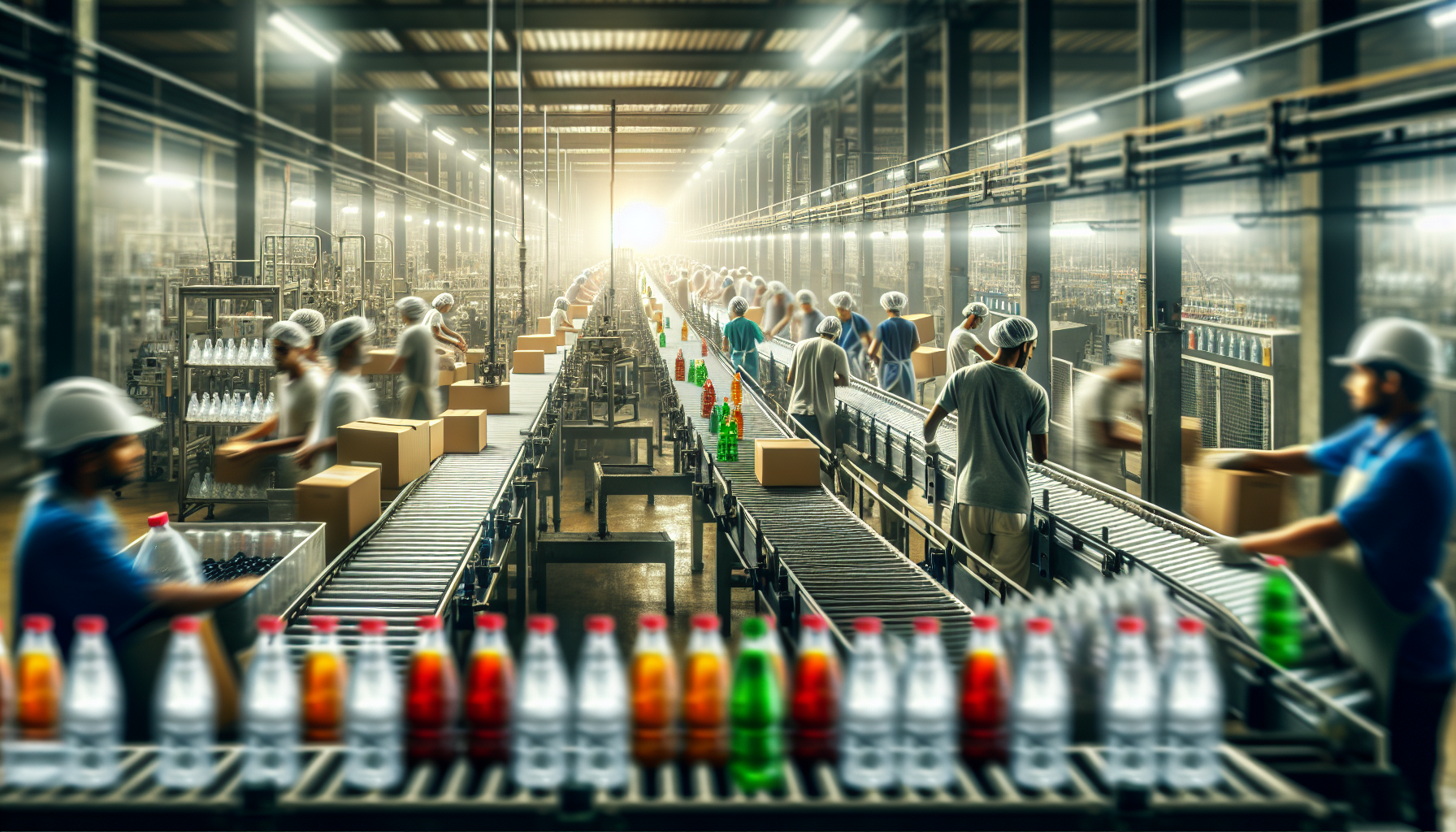
The ongoing conflict in Iran is causing significant disruptions in the supply chain for raw materials essential to the production of plastic and glass bottles. Manufacturers in India, who rely heavily on these materials, are facing challenges in securing adequate supplies. This shortage is expected to impact the cost structure for products packaged in these containers, notably beer and bottled water. As a result, consumers in India may soon experience higher prices for these everyday items.
Plastic and glass bottle production depends on petrochemical derivatives and silica, both of which are affected by geopolitical tensions in the Middle East. Iran, being a key player in the global oil and gas market, influences the availability and pricing of these raw materials. The war has led to tightened exports and logistical bottlenecks, further straining supply chains worldwide. Indian manufacturers are now compelled to seek alternative sources or absorb increased costs, both of which could translate into price hikes for end products.
In a significant development, this situation highlights the vulnerability of global supply chains to regional conflicts and their far-reaching economic consequences. The beverage industry in India, which caters to a large consumer base, might face inflationary pressures that could affect demand and profitability. Meanwhile, policymakers and industry stakeholders will need to explore strategies to mitigate these impacts, including diversifying supply sources and enhancing domestic production capabilities. The Iran war thus serves as a reminder of the interconnectedness of global markets and the ripple effects of geopolitical instability.
