

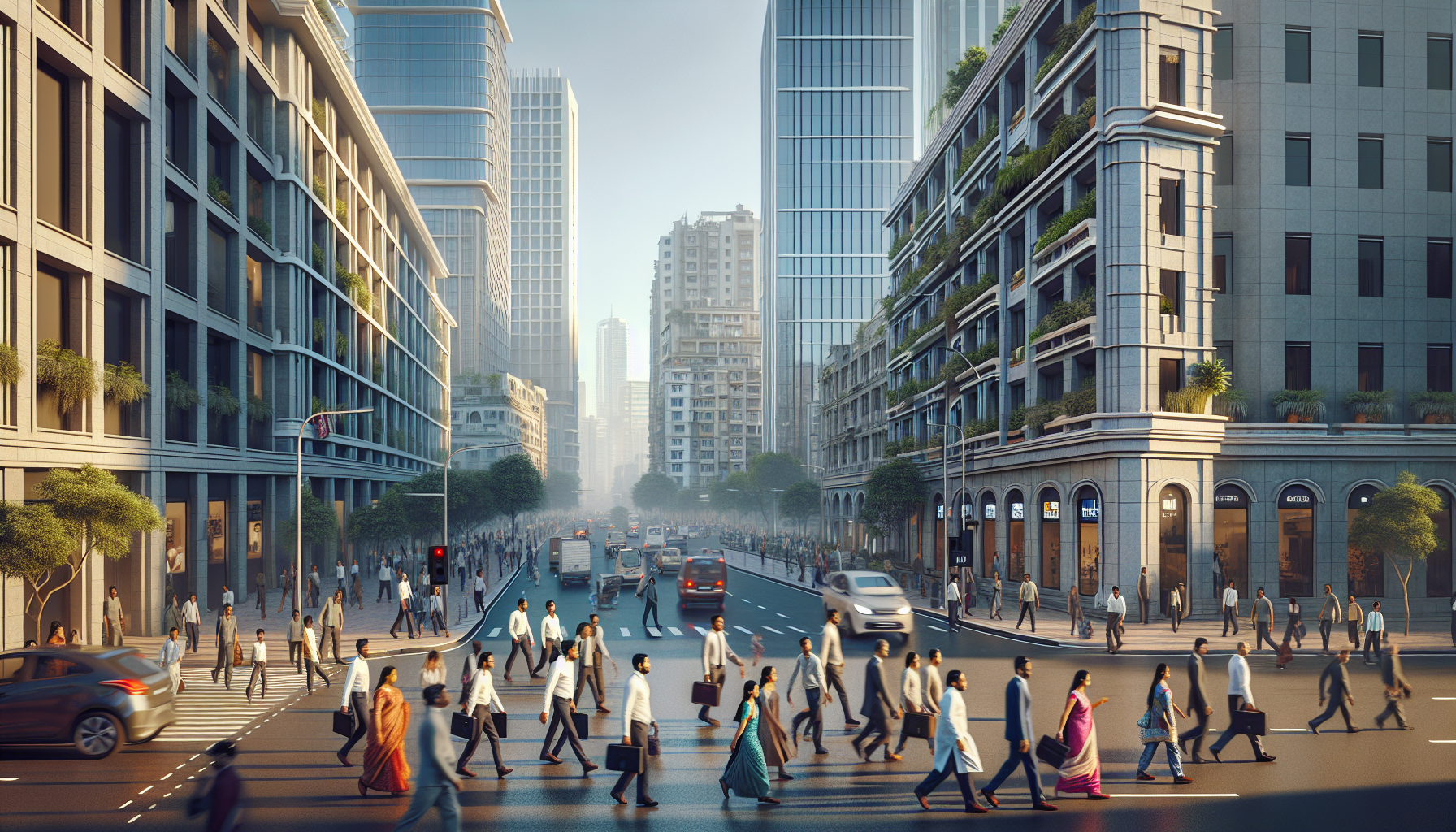
India’s middle class, historically viewed as a symbol of economic progress and aspiration, is now confronting significant challenges that undermine their stability and growth prospects. Despite higher education levels and steady employment, many individuals in this demographic find their ambitions constrained by limited opportunities and rising living costs. This shift marks a departure from previous decades when the middle class was a key driver of India’s economic expansion and consumer market growth.
In a significant development, factors such as inflation, job market saturation, and uneven economic policies have contributed to the erosion of middle-class confidence. The strain is evident in urban centers where housing affordability, healthcare expenses, and education costs continue to escalate, placing additional pressure on household budgets. Meanwhile, the global economic slowdown and domestic structural issues exacerbate these challenges, making it harder for middle-class families to maintain their standard of living.
Notably, the struggles of India’s middle class have broader implications for the country’s social fabric and economic future. As this group traditionally fuels consumption and innovation, their difficulties could slow down overall economic momentum and increase social disparities. Policymakers face the urgent task of addressing these concerns through inclusive growth strategies and reforms aimed at revitalizing opportunities for this vital segment of society.
