

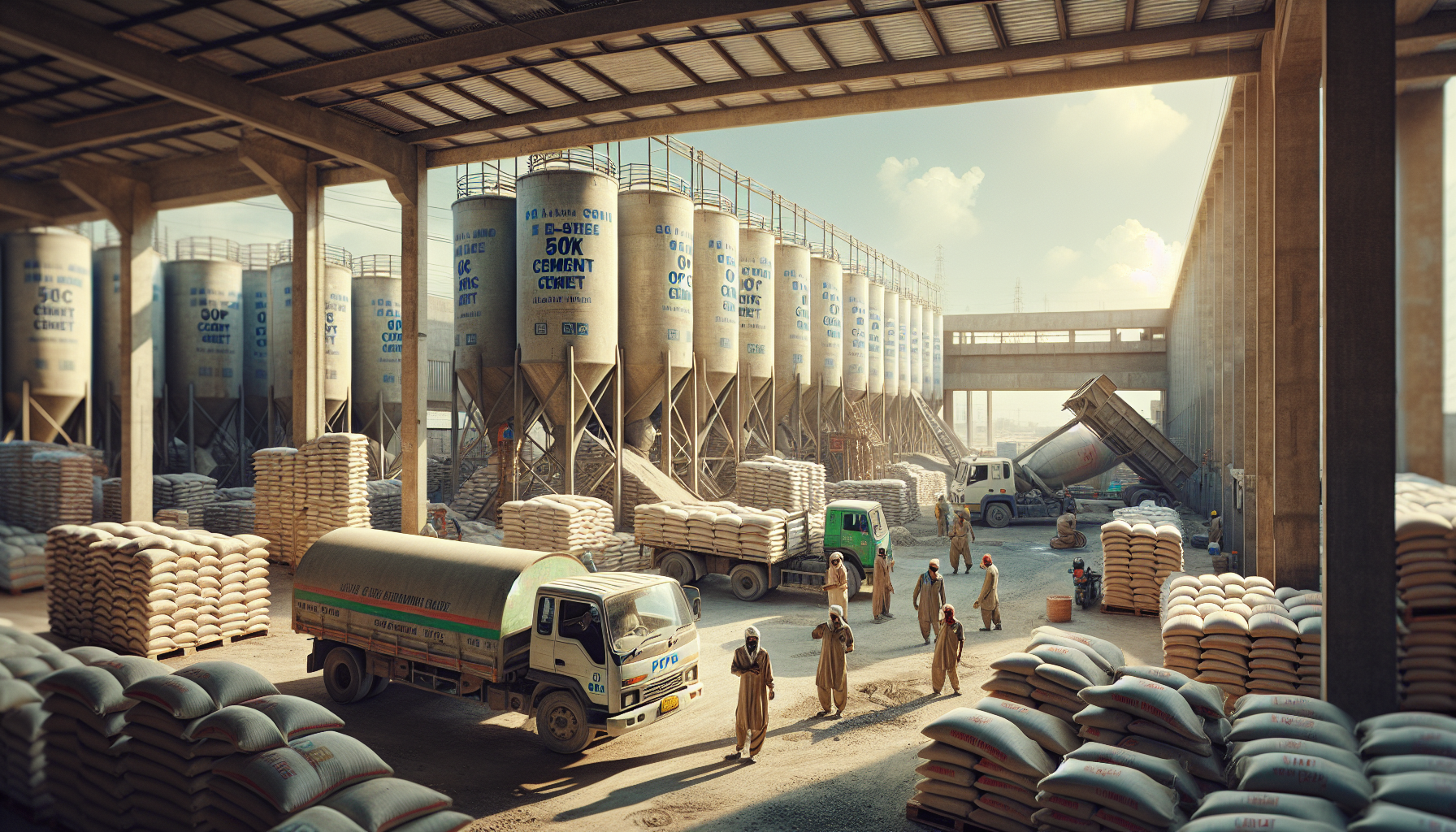
As of March 28, 2026, the price of a 50kg bag of ordinary Portland cement (OPC, typically 53 grade) in Pakistan varies between Rs. 1,375 and Rs. 1,450, depending on the region, quality, and local market dynamics. The national average price generally falls within Rs. 1,390 to Rs. 1,430 per bag, indicating relative stability despite external economic pressures.
In major urban centers, Karachi and southern markets, including Sindh areas like Badin, tend to have slightly lower prices, ranging from Rs. 1,350 to Rs. 1,420. This is largely due to their proximity to cement production plants and reduced freight expenses. Conversely, northern cities such as Lahore and Islamabad typically experience prices between Rs. 1,380 and Rs. 1,450, with some urban zones seeing even higher rates. These variations are influenced by longer transportation distances and steady demand driven by housing and infrastructure projects.
The latest dealer and market updates for the week ending March 26, 2026, confirm these figures. Although prices have inched upward in recent weeks, the market has demonstrated resilience. A significant factor behind cost pressures is the ongoing conflict in Iran, which escalated in late February 2026. This conflict has disrupted global oil supplies passing through the Strait of Hormuz, causing international crude prices to surge. Consequently, Pakistan witnessed a historic increase in petrol and diesel prices around March 6, with hikes reaching Rs. 55 per litre.
In response, the government intervened to absorb part of the increase, stabilizing petrol prices at Rs. 321.17 and diesel at Rs. 335.86 per litre. Despite the higher fuel costs, which have raised transportation expenses—especially diesel used in trucking—and energy costs for cement production, the impact on cement prices has been moderate. Local supply chains and consistent domestic production have helped prevent more significant price spikes.
Pakistan’s construction sector remains heavily reliant on cement for residential, commercial, and government infrastructure projects. In late March 2026, the market is balanced but cautious, given the global energy volatility stemming from the Iran conflict. Cement prices today reflect this balance, with southern regions like Karachi and Sindh benefiting from more competitive rates, while northern cities face slightly higher costs due to logistics and demand factors.
Builders and homeowners can still plan their projects with reasonable predictability, as cement prices have only seen minor adjustments rather than sharp increases. Practical advice for buyers includes comparing quotes from multiple local suppliers to secure the best rates and inquiring about bulk purchase discounts that may help offset fuel-related cost pressures. Monitoring energy price trends and government policy responses to the Iran situation is also advisable, as these could influence future cement pricing.
Government initiatives focused on housing and infrastructure continue to drive demand, keeping supply chains active and responsive. The recent fuel price surge linked to the Iran conflict underscores how international events can affect local construction costs. Nevertheless, current cement prices offer a stable outlook for ongoing and upcoming projects. For the most accurate and up-to-date pricing, especially in Sindh regions such as Badin, contacting trusted local vendors or checking daily dealer boards is recommended.
