

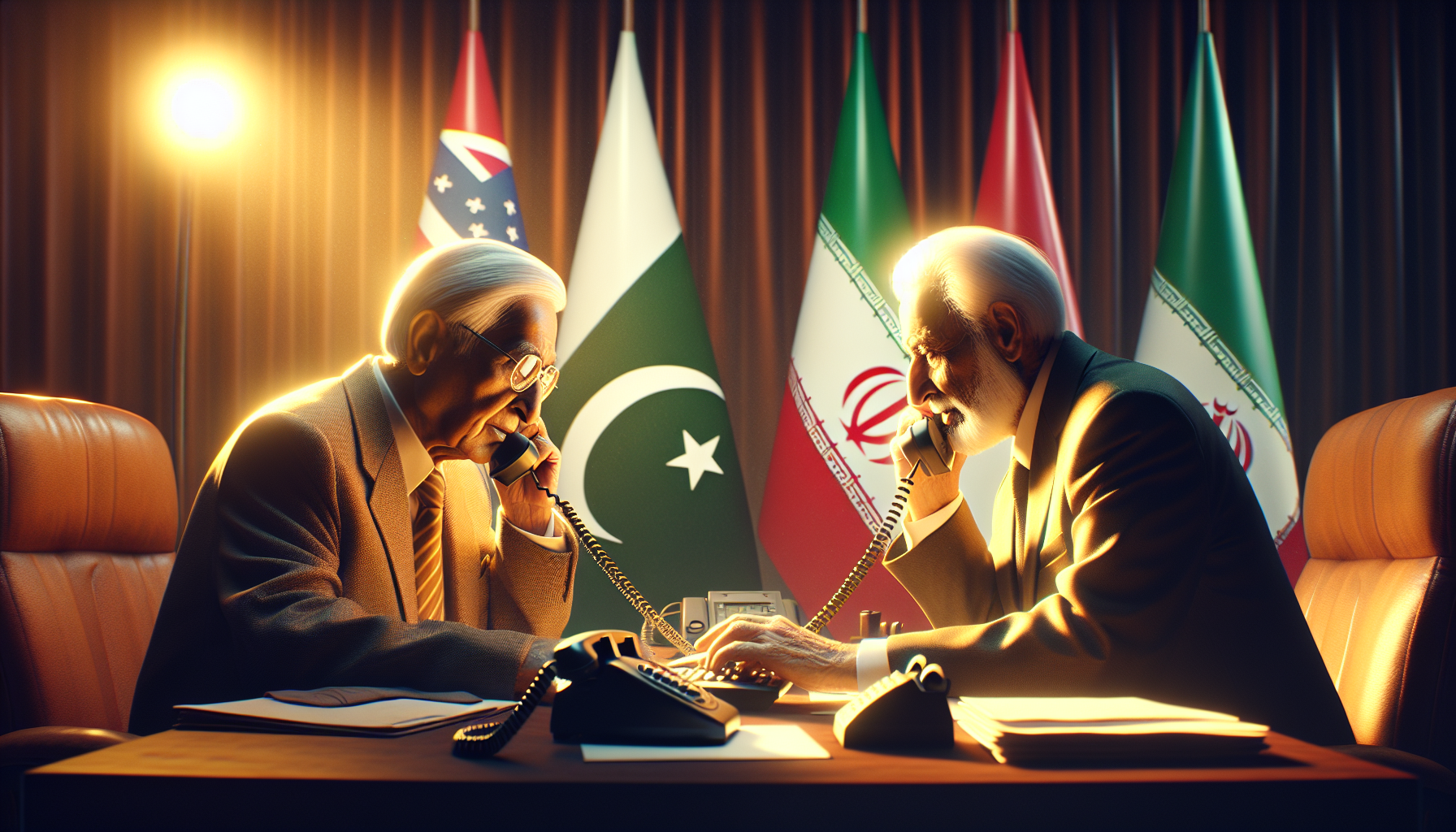
In a significant telephonic exchange, Prime Minister Shehbaz Sharif engaged in a detailed conversation with Iranian President Masoud Pezeshkian, emphasizing the urgent need for dialogue and diplomatic efforts among neighboring countries to resolve ongoing conflicts. This call comes at a critical juncture, as tensions in the Gulf region continue to escalate, threatening regional stability and peace.
The Prime Minister’s Office released a statement on Monday highlighting that during the conversation, PM Shehbaz extended warm greetings on the occasions of Eid ul Fitr and Nowruz to President Pezeshkian and the people of Iran. These traditional greetings were met with heartfelt reciprocation from the Iranian leader, who also conveyed his best wishes to the citizens of Pakistan, underscoring the deep-rooted brotherly ties between the two nations.
Recognizing Iran as a neighboring and fraternal country, the Prime Minister expressed Pakistan’s unwavering solidarity with the resilient Iranian population amid the ongoing hostilities. He conveyed profound condolences for the tragic loss of lives and offered prayers for the swift recovery of those injured and displaced by the conflict. This humanitarian concern reflects Pakistan’s commitment to supporting peace and stability in the region.
Addressing the broader geopolitical situation, PM Shehbaz Sharif voiced serious apprehension over the dangerous escalation of hostilities in the Gulf. He stressed the critical importance of collective action to de-escalate tensions and return to a path of constructive dialogue and diplomacy. The Prime Minister underscored that resolving differences through peaceful means is essential not only for the immediate region but for the wider Muslim Ummah, which requires unity now more than ever.
During the conversation, the Prime Minister also shared insights into Pakistan’s ongoing diplomatic outreach efforts aimed at fostering peace and stability. He reassured the Iranian leadership of Pakistan’s continued constructive role in facilitating dialogue and promoting a peaceful resolution to the conflict. This stance aligns with Pakistan’s broader foreign policy objectives of maintaining harmony and cooperation among neighboring states.
It is worth noting that the conflict, which began on February 28 with a military offensive launched by the US and Israel against Iran, has resulted in over 2,000 casualties. The hostilities have not only caused immense human suffering but have also disrupted global markets, driven fuel prices higher, and intensified fears of rising inflation worldwide. Moreover, the conflict has shaken the Western defense alliances, adding complexity to an already volatile international landscape.
In a related development, regional and international actors continue to call for restraint and dialogue, recognizing that prolonged conflict could have far-reaching consequences. The conversation between PM Shehbaz and President Pezeshkian highlights Pakistan’s proactive approach in engaging with key regional players to promote peace and stability during these challenging times.
