

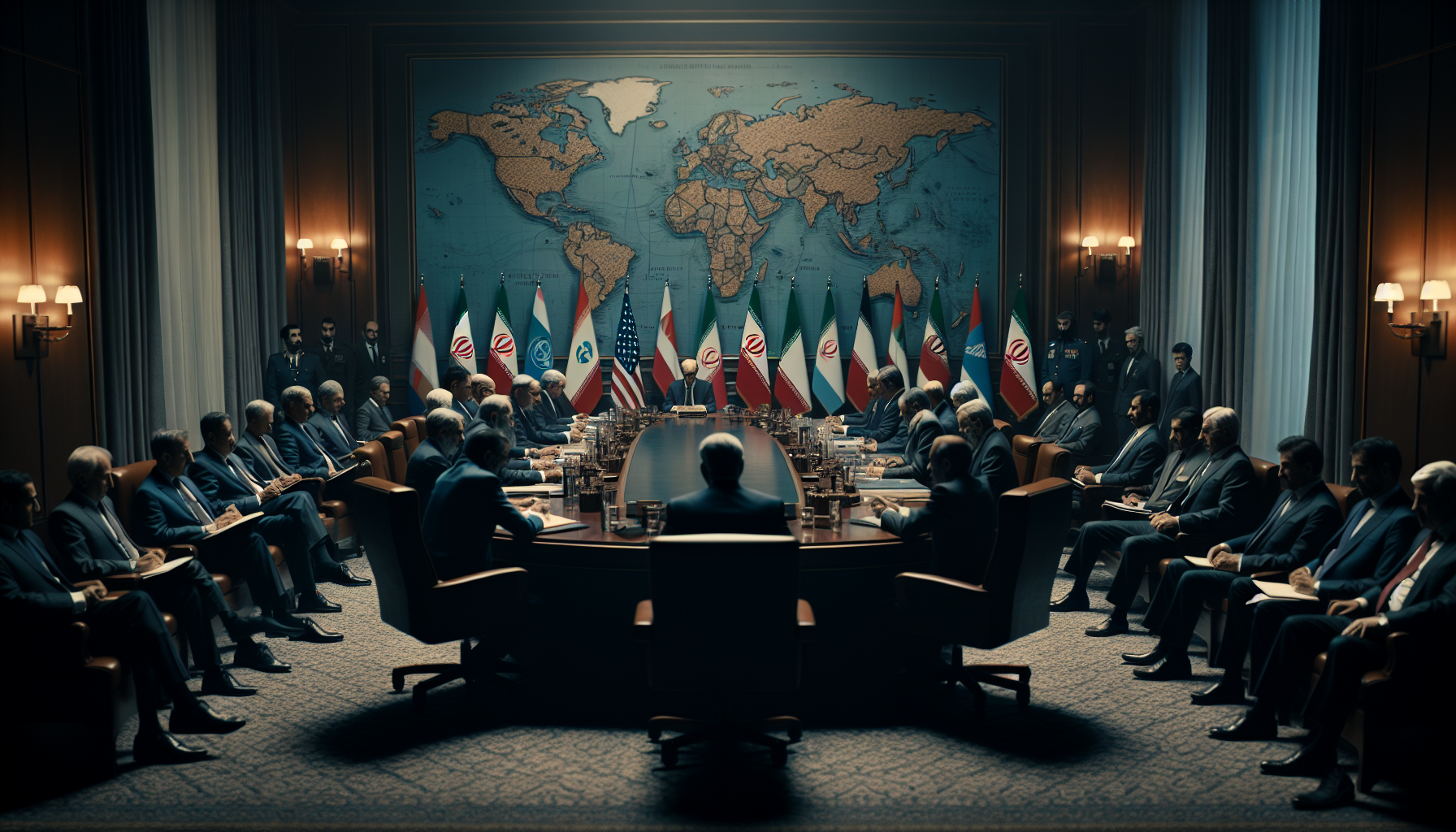
In the wake of escalating tensions and ongoing conflict, Iran has notably intensified its negotiating posture, signaling a firmer stance in any prospective talks with the United States. Since the outbreak of hostilities, the influence of Iran’s Islamic Revolutionary Guard Corps (IRGC) has expanded significantly, shaping the country’s strategic decisions and hardening its demands. Senior officials in Tehran have indicated that Iran will insist on substantial concessions from Washington if mediation efforts progress toward serious negotiations.
It is worth noting that Iran’s demands extend well beyond a mere cessation of hostilities. The country is reportedly seeking guarantees that would prevent any future military actions against it, compensation for damages incurred during the conflict, and formal recognition of its control over the strategically vital Strait of Hormuz. This narrow waterway is crucial as it facilitates the transit of approximately one-fifth of the world’s oil and liquefied natural gas supplies, making it a significant geopolitical asset. Iran’s insistence on maintaining control over this passage underscores its intent to retain leverage in any diplomatic resolution.
Another critical point of contention is Iran’s ballistic missile program. Tehran has made it clear that it will not entertain negotiations aimed at limiting or dismantling this capability. This issue was already a major sticking point during previous talks, which were abruptly disrupted by US and Israeli military actions last month. The IRGC’s growing authority within Iran’s decision-making apparatus further solidifies this uncompromising position, reflecting a broader strategy to safeguard national defense capabilities against perceived external threats.
Meanwhile, mixed messages continue to emerge regarding the status of negotiations. US President Donald Trump claimed that Washington had engaged in “very, very strong talks” with Tehran more than three weeks into the conflict. However, Iranian officials have publicly denied that any direct discussions with the US have taken place. Instead, Iran has reportedly held preliminary consultations with regional players such as Pakistan, Turkey, and Egypt to explore the possibility of laying the groundwork for formal negotiations.
In a related development, a European diplomat confirmed that while no direct Iran-US talks have occurred, countries including Egypt, Pakistan, and Gulf states are actively facilitating communication between the two sides. Pakistani officials have suggested that Islamabad could host direct negotiations aimed at ending the conflict as early as this week. Should these talks materialize, Iran is expected to send high-profile representatives, including Parliament Speaker Mohammad Baqer Qalibaf and Foreign Minister Abbas Araqchi, to participate. However, ultimate authority over any agreements would rest with the hardline IRGC leadership, underscoring the complexity of Iran’s internal power dynamics.
Adding to the complexity, senior Israeli officials have expressed skepticism about the prospects for a diplomatic breakthrough. While President Trump appears committed to reaching a deal, Israeli sources doubt that Iran will acquiesce to US demands, particularly those involving the cessation of its ballistic missile and nuclear programs. Analysts argue that Iran’s missile capabilities and its ability to potentially close the Strait of Hormuz have been among its most effective responses to the US-Israeli military strikes, serving as critical deterrents. Relinquishing these assets would, in their view, leave Iran vulnerable to further attacks, making compromise on these issues highly unlikely.
As mediation efforts continue amid this complex geopolitical landscape, the international community watches closely. The evolving situation highlights the delicate balance between diplomacy and military strategy, with Iran’s hardened stance reflecting both its regional ambitions and its determination to protect its sovereignty. The coming days could prove pivotal in determining whether these high-stakes negotiations can move forward or if the conflict will further deepen.
