

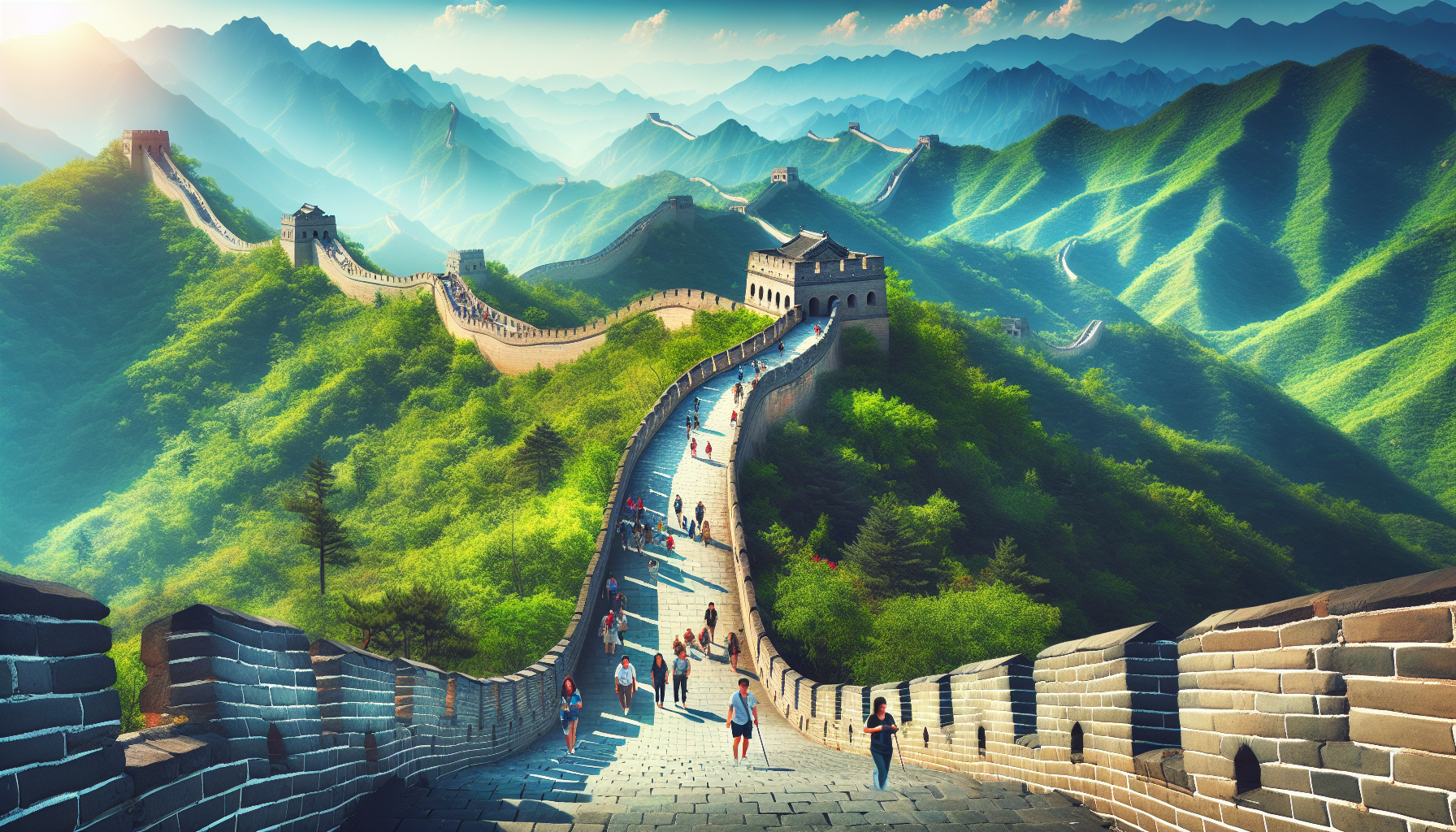
Having spent nearly twelve years living in Beijing, I have been fortunate enough to explore a wide array of destinations across China. Among the countless wonders this vast country offers, the Great Wall stands out as one of the most awe-inspiring and culturally significant landmarks. Its sprawling length and varied landscapes provide visitors with a unique glimpse into China’s ancient past and architectural ingenuity.
The Great Wall is not a single continuous structure but rather a series of walls and fortifications built over centuries by different dynasties. Each section has its own distinct character, reflecting the terrain and historical context in which it was constructed. Some parts are rugged and wild, offering a raw connection to nature, while others have been carefully restored to showcase the grandeur of imperial China.
One of the most popular and accessible sections is Badaling, located just north of Beijing. This segment has been extensively restored and is often bustling with tourists eager to walk along its well-preserved ramparts. It provides panoramic views of the surrounding mountains and is equipped with visitor facilities, making it an ideal introduction to the Great Wall experience.
In contrast, the Jinshanling section offers a more adventurous journey. Situated further from the city, it combines restored areas with wild, untouched stretches. This part of the Wall is renowned for its dramatic watchtowers and steep climbs, attracting hikers and photographers who seek a more authentic and less crowded encounter with this monumental structure.
Meanwhile, the Simatai section is famous for its steepness and unique architectural features. It remains partially unrestored, preserving the Wall’s original ruggedness and providing a thrilling challenge for visitors. The night tours here are particularly memorable, as the Wall is illuminated against the backdrop of the surrounding hills, creating a magical atmosphere.
It is worth noting that beyond these well-known areas, there are numerous other segments such as Mutianyu and Huanghuacheng, each offering distinct experiences. Mutianyu is celebrated for its beautiful scenery and restored watchtowers, while Huanghuacheng is notable for its lakeside views and partially submerged sections, blending natural beauty with historical intrigue.
Exploring the Great Wall is not just about witnessing an architectural marvel; it is also an opportunity to connect with China’s rich history and the perseverance of its people. The Wall stands as a testament to centuries of defense strategies, cultural exchange, and the enduring spirit of a civilization that has shaped much of the world’s history.
For travelers and history enthusiasts alike, visiting these diverse sections of the Great Wall offers a profound and unforgettable experience. Whether you prefer a leisurely stroll along restored pathways or a challenging hike through wild terrain, the Great Wall promises to leave a lasting impression with its breathtaking vistas and deep historical resonance.
