

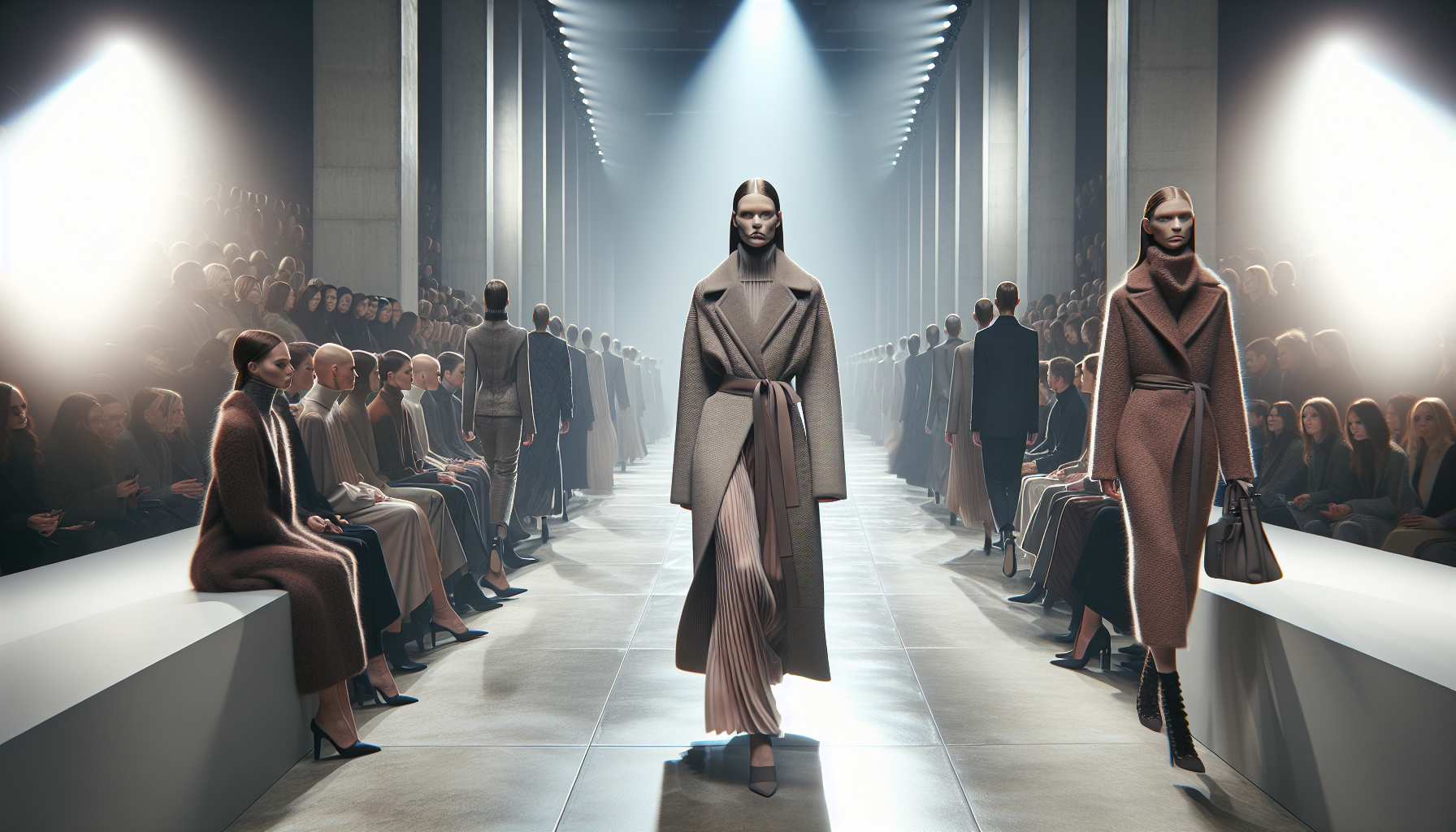
As the curtains close on the Fall-Winter 2023 fashion weeks, a distinct pattern has emerged that goes beyond the usual buzz around ruffles, pleated skirts, or sharply tailored coats. Designers and critics alike are noting a pervasive trend that signals a step backward in runway creativity and innovation.
Throughout the season, the catwalks showcased a surprising return to styles and silhouettes that many fashion insiders consider a regression rather than progression. This backslide is not merely about repeating past looks but reflects a deeper hesitation to push boundaries in an industry that thrives on reinvention and bold statements.
It is worth noting that while some designers embraced classic elements with fresh twists, the overarching narrative was dominated by a cautious approach, favoring safe choices over daring experimentation. This has sparked conversations about the future direction of fashion, especially as consumers increasingly seek originality and sustainability in their wardrobes.
Meanwhile, the emphasis on traditional fabrics and muted color palettes further underscored this conservative turn. The excitement that typically accompanies the unveiling of new collections was somewhat muted, leaving many wondering if the industry is facing a creative plateau or simply recalibrating after recent global disruptions.
In a related development, fashion commentators are debating whether this trend reflects broader cultural sentiments or economic uncertainties influencing designers’ decisions. Regardless, the Fall-Winter 2023 runway season will be remembered not just for its garments but for the underlying message about where fashion might be headed next.
