


Transparency International Pakistan (TIP), known for its scrutiny of corruption and governance in public institutions, is itself under examination regarding its own transparency and accountability. A detailed review of TIP’s trust deed, financial disclosures, governance documents, corruption surveys, and court records, alongside the organisation’s responses, highlights significant questions about the oversight of this prominent anti-corruption watchdog.
Registered as a trust under the Industries and Commerce Directorate of Sindh since 2002, TIP operates under a broad mandate that includes promoting transparency in governance, politics, and business transactions, combating corruption, ensuring the implementation of laws and policies, and monitoring law enforcement and government agencies with regulatory or investigative roles. However, concerns have emerged about whether all current activities align strictly with this mandate, how compliance is independently verified, and how conflicts of interest are managed when the Board itself is responsible for oversight.
TIP’s financial records from 2010 to 2025 indicate reported grants totaling approximately Rs764.6 million, with additional income around Rs68.1 million, amounting to nearly Rs832.7 million over the period. Annual income figures have fluctuated significantly, rising from Rs28.4 million in 2010 to over Rs100 million in 2020, then declining before increasing again in recent years. While TIP states that its financial audits are publicly available and that its primary donor over the past five years has been the Transparency International Secretariat, its 2025 Civil Society Governance Diagnostic Assessment also acknowledges financial support from the European Union. The organisation has not clarified whether EU funding was direct or routed through the Secretariat, nor has it disclosed the amounts involved.
TIP managed the USAID Anti-Fraud Hotline from 2011 to 2019, handling thousands of complaints and referrals. However, the organisation has not provided a consolidated total of complaints received or detailed how complaints were independently verified prior to referral. Governance concerns also arise from the appointment of Fawad Gilani as project manager during this period. Although TIP asserts that his appointment followed a public advertisement and selection committee process, it disclosed his familial relationship with former chairman Syed Adil Gilani at the time. This raises questions about how potential conflicts of interest were identified and addressed under TIP’s governance rules. Additional instances suggesting possible conflicts of interest during the former chairman’s tenure further underscore the need for stronger safeguards.
TIP’s trust deed includes provisions addressing conflicts involving immediate family members of board members in relation to paid assignments and employment, but available records do not clarify how these were applied in specific cases. The organisation has also become more active in public procurement oversight. Its 2025 annual report details a complaint from May 2022 regarding a $29.7 million contract for 30 million smart cards awarded by Nadra, alleging violations of procurement rules and pricing above international market rates, with an estimated potential loss of $25 million. This prompted the Ministry of Interior to instruct the Public Procurement Regulatory Authority (PPRA) to investigate, leading to an FIA corruption case in 2025. Another complaint involved a Rs60 billion dredging contract awarded by the Port Qasim Authority through direct contracting, which was later ordered to be put out to public tender by the federal government. These cases highlight the critical importance of TIP’s own complaint verification and handling processes, as its challenges to government procurement practices carry significant accountability implications.
While TIP submits annual financial audits to the Federal Board of Revenue and the Economic Affairs Division, it confirmed it has not undergone any independent organisational, governance, or forensic audits beyond these financial reviews. This distinction is important because financial audits focus on financial statements and records but do not thoroughly assess governance structures, institutional independence, research methodologies, complaint verification, or conflict-of-interest management.
TIP’s 2025 Civil Society Governance Diagnostic Assessment, containing 54 recommendations, was submitted to the government and the International Monetary Fund to propose reforms for civil society and governance institutions. The organisation states it shares these reports with governments, development partners, and international financial institutions to encourage implementation but has not disclosed details about the assessment’s terms of reference, costs, or remuneration, only referring to donor information within the report itself, which acknowledges EU funding.
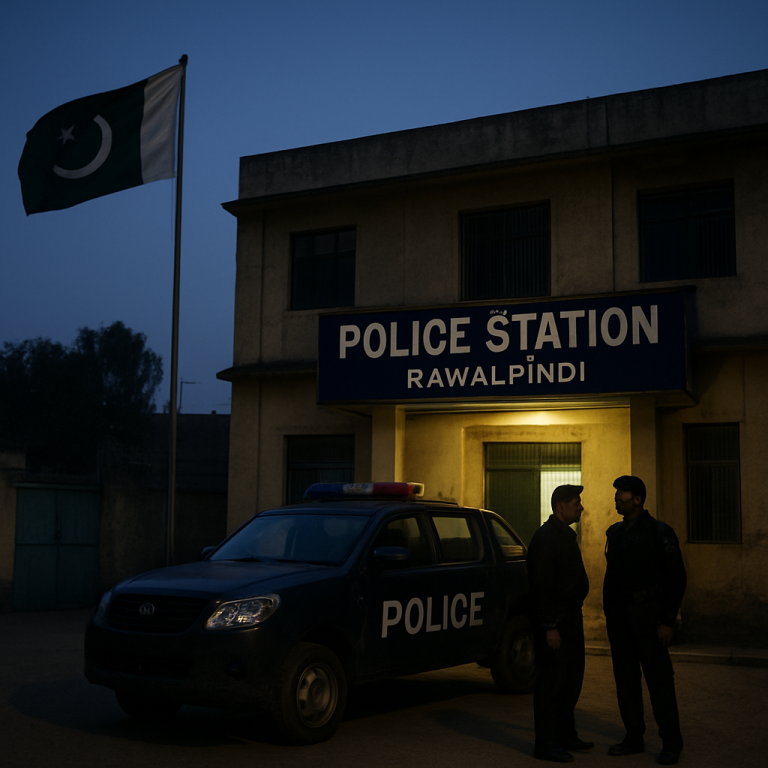
Questions also persist regarding TIP’s methodology for measuring corruption. Its 2025 National Corruption Perception Survey, which included 3,989 respondents across 20 districts in all four provinces, identified the police as the most frequently perceived corrupt sector, followed by tendering and procurement processes and the judiciary. Notably, 66 percent of respondents reported not having paid a bribe in the previous year, a statistic that adds complexity to the overall corruption perception landscape.


















Leave an opinion