


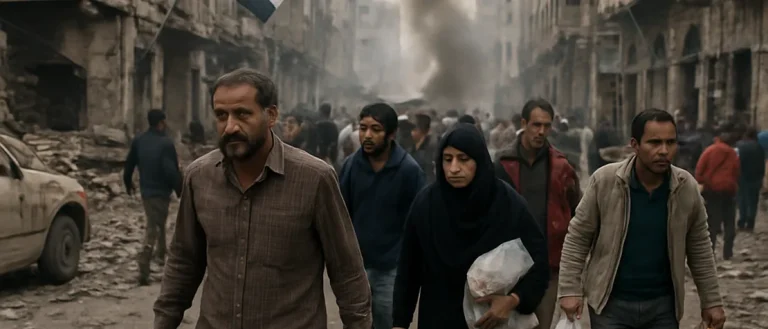
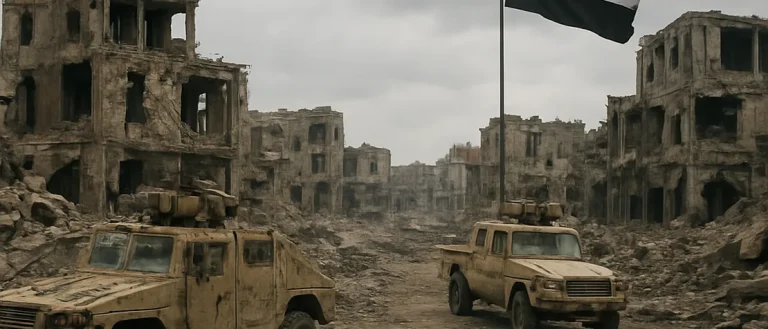
Yemen’s government is relying on tribal groups to strengthen its efforts against the Houthi movement, which has been a dominant force in the ongoing conflict. Tribal alliances have historically played a significant role in Yemen’s political and military landscape, making their support potentially decisive in the current struggle. However, many tribes are cautious and may delay committing to either side, weighing their options carefully amid the complex conflict dynamics.
The hesitation among tribes reflects the fragmented nature of Yemen’s social and political fabric, where loyalties are often influenced by local interests and shifting power balances. The government’s ability to secure tribal backing could enhance its military capabilities and legitimacy, potentially altering the course of the conflict. Conversely, a lack of tribal support might prolong instability and complicate efforts to restore peace.
The situation underscores the importance of tribal politics in Yemen’s broader conflict, highlighting how local actors can impact national outcomes. As the government seeks to consolidate power and counter the Houthis, the decisions of tribal leaders will be closely watched by all parties involved. Their eventual alignment could have significant implications for Yemen’s future security and governance.














Leave an opinion