


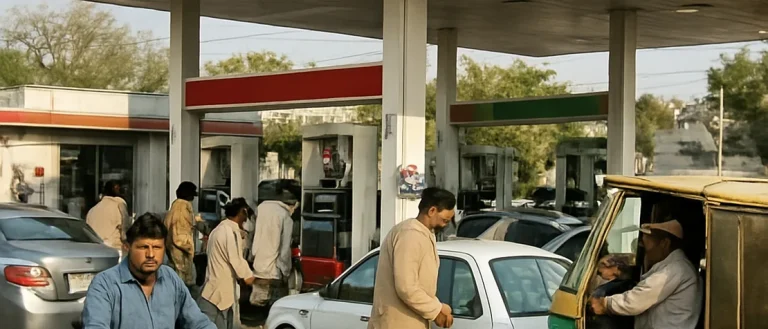
Pakistan’s government has implemented a petrol subsidy program aimed at easing the financial burden on millions of citizens amid rising fuel costs. This relief effort is intended to make petrol more affordable for the general population, addressing economic challenges faced by many households. The subsidy reflects the government’s attempt to stabilize living costs during a period of inflation and economic uncertainty.
Despite the widespread reach of the subsidy, some economists have raised concerns that the program may not be effectively targeting those who need it most. Critics argue that the relief could be disproportionately benefiting middle- and upper-income groups, while lower-income families and vulnerable communities might be excluded. This highlights ongoing challenges in designing subsidy programs that ensure equitable distribution of resources.
The debate over the subsidy’s effectiveness underscores broader issues in Pakistan’s economic policy, particularly in balancing fiscal constraints with social welfare needs. The government’s approach to fuel subsidies will likely continue to be scrutinized as it seeks to support its population without exacerbating budget deficits. Ensuring that assistance reaches the most disadvantaged remains a critical goal for policymakers moving forward.













Leave an opinion